
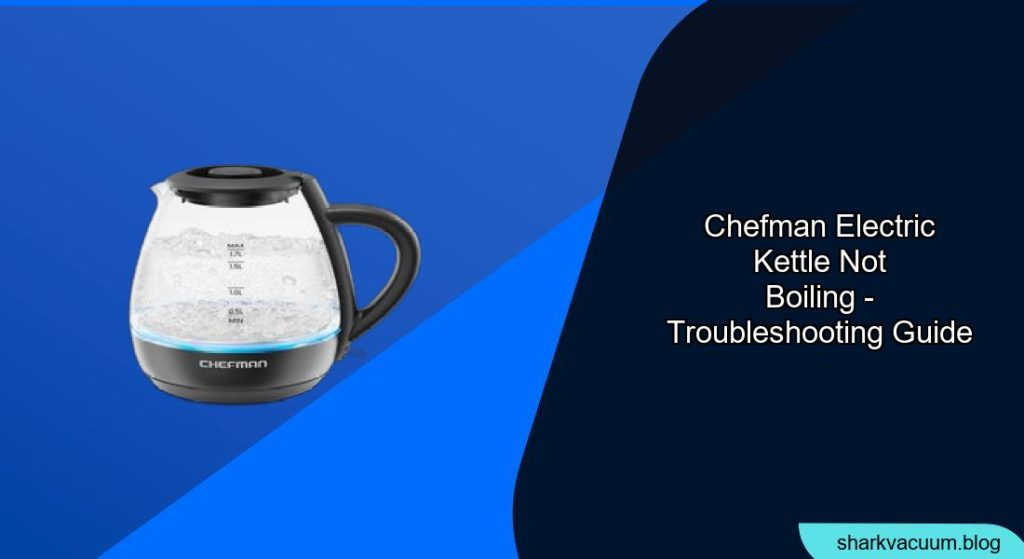
Have you found yourself waiting impatiently for your Chefman electric kettle to boil, only to be met with lukewarm water? It’s a frustrating situation, especially when you’re craving that morning coffee or afternoon tea. An electric kettle that won’t boil can disrupt your routine and leave you wondering what went wrong.
This comprehensive guide addresses the common reasons why your Chefman electric kettle might not be boiling and provides step-by-step troubleshooting solutions. We’ll explore everything from simple fixes like ensuring proper power connection and descaling, to more complex issues like thermostat malfunctions. Our goal is to help you diagnose the problem, implement effective solutions, and get your kettle back to its boiling best, so you can enjoy your favorite hot beverages without delay.
Whether you’re a daily tea drinker or occasional coffee enthusiast, understanding how to maintain and troubleshoot your electric kettle is essential. Let’s dive into the potential causes and practical solutions to get your Chefman kettle boiling again.
Common Reasons Why Your Chefman Kettle Isn’t Boiling
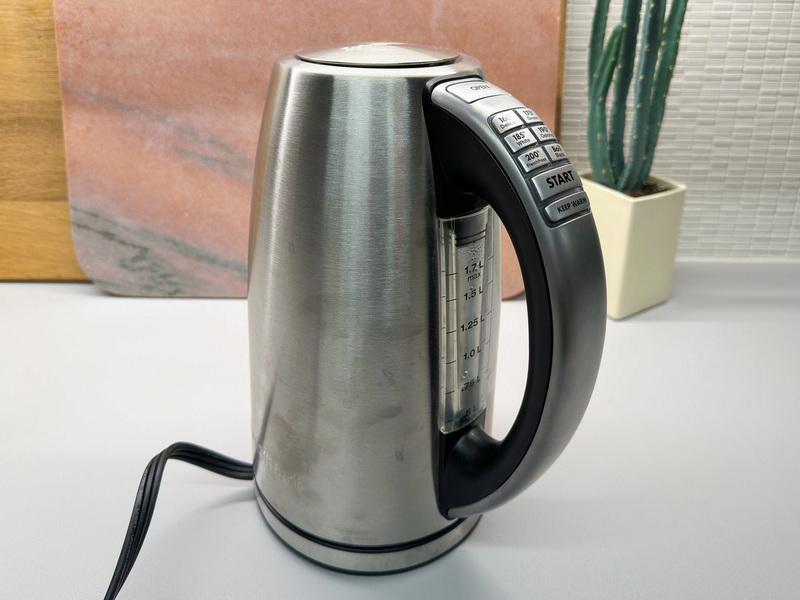
Here’s an outline of common problems that might prevent your Chefman electric kettle from reaching a boil:
- Insufficient Water Level: The kettle may have too little water to trigger the heating mechanism.
- Incorrect Power Connection: The kettle isn’t properly connected to a power source or the outlet is faulty.
- Scale Buildup: Mineral deposits can interfere with heating and thermostat function.
- Faulty Thermostat: The thermostat, which regulates temperature, may be malfunctioning.
- Automatic Shut-Off Issues: The automatic shut-off feature may be prematurely cutting off power.
- Heating Element Failure: The heating element itself might be damaged or worn out.
Troubleshooting Steps for Your Chefman Kettle
Follow these steps to diagnose and fix your Chefman electric kettle:
-
Check the Water Level
- Problem: Many electric kettles have a minimum water level requirement. If the water is below this level, the kettle may not start or boil properly.
- Solution: Ensure the water level is above the minimum mark indicated inside the kettle. Add more water if necessary.
-
Verify Power Connection
- Problem: A loose connection or faulty outlet can prevent the kettle from receiving power.
- Solution:
- Make sure the kettle is securely placed on its base.
- Check that the power cord is firmly plugged into the base and the outlet.
- Test the outlet with another device to confirm it’s working.
- Try a different outlet if possible.
-
Descale the Kettle
- Problem: Mineral buildup (scale) from hard water can insulate the heating element, reducing its efficiency and preventing the kettle from reaching boiling point. Scale can also interfere with the thermostat.
- Solution:
- Vinegar Solution: Fill the kettle with equal parts white vinegar and water.
- Boil: Boil the mixture and let it sit for 30-60 minutes.
- Rinse: Discard the solution and rinse the kettle thoroughly with clean water.
- Repeat: If scale is still present, repeat the process.
- Citric Acid: Alternatively, use a citric acid solution (1-2 tablespoons of citric acid per liter of water).
- Pro Tip: Descale your kettle every 1-3 months, depending on water hardness.
-
Inspect the Thermostat
- Problem: The thermostat controls the heating process and shuts off the kettle once boiling point is reached. If it’s faulty, the kettle may not heat up enough or may shut off too early.
- Solution:
- Visual Inspection: Check for any visible damage or corrosion on the thermostat.
- Testing (Advanced): Use a multimeter to test the thermostat’s continuity. If there’s no continuity, the thermostat needs replacement.
- Professional Repair: Consider having a qualified technician inspect and repair or replace the thermostat if you’re not comfortable doing it yourself.
-
Address Automatic Shut-Off Issues
- Problem: The automatic shut-off feature might be too sensitive, causing the kettle to turn off before the water boils.
- Solution:
- Ensure Proper Seating: Make sure the kettle is properly seated on its base.
- Clean the Sensor: Check the sensor area for any mineral buildup or debris that might be interfering with its function.
- Contact Support: If the problem persists, the shut-off mechanism may be faulty and require professional repair or replacement.
-
Check the Heating Element
- Problem: Over time, the heating element can degrade or fail, preventing the kettle from heating properly.
- Solution:
- Visual Inspection: Look for signs of damage, such as cracks, discoloration, or burnt areas on the heating element.
- Testing (Advanced): Use a multimeter to test the heating element’s continuity. If there’s no continuity, the heating element needs replacement.
- Note: Replacing the heating element can be complex. Consider whether it’s more cost-effective to replace the entire kettle.
Tools and Materials You Might Need
- White Vinegar or Citric Acid
- Clean Water
- Soft Cloth or Sponge
- Multimeter (for advanced testing)
- Screwdriver (for accessing internal components, if necessary)
Tips, Warnings, and Best Practices
- Safety First: Always unplug the kettle before performing any maintenance or troubleshooting.
- Regular Descaling: Prevent scale buildup by descaling your kettle regularly.
- Avoid Overfilling: Overfilling can cause water to spill and potentially damage the kettle or create a safety hazard.
- Use Filtered Water: Using filtered water can reduce mineral buildup and improve the taste of your beverages.
- Don’t Immerse the Kettle: Never immerse the kettle or its base in water.
- Read the Manual: Always refer to your Chefman kettle’s user manual for specific instructions and safety guidelines.
FAQ
What does it mean when the kettle lights up but doesn’t heat?
This often indicates that the heating element is not functioning correctly. Check for scale buildup or a faulty heating element. Use a multimeter to test the element’s continuity if you’re comfortable doing so.
Can I use something other than vinegar to descale my kettle?
Yes, citric acid is an excellent alternative. Mix 1-2 tablespoons of citric acid per liter of water, boil the solution, let it sit, and then rinse thoroughly.
How often should I descale my Chefman electric kettle?
Descale your kettle every 1-3 months, depending on the hardness of your water. If you notice mineral buildup frequently, increase the frequency of descaling.
Is it safe to drink water from a kettle with scale buildup?
While it’s generally not harmful, scale can affect the taste of the water and reduce the kettle’s efficiency. Descaling regularly ensures better-tasting water and prolongs the kettle’s lifespan.
What if my kettle is still under warranty?
Check your warranty terms. If your kettle is still covered, contact Chefman customer support for repair or replacement options.
How do I prevent scale buildup in the first place?
Use filtered water to reduce the mineral content. After each use, rinse the kettle and wipe it dry to prevent mineral deposits from forming.
Conclusion
A Chefman electric kettle that won’t boil can be a major inconvenience, but with the right troubleshooting steps, you can often resolve the issue quickly. From checking the water level and power connection to descaling and inspecting the thermostat, this guide provides practical solutions to get your kettle back in working order.
Remember to prioritize safety and consult your kettle’s manual for specific instructions. By following these tips and best practices, you can keep your Chefman electric kettle functioning efficiently and enjoy your favorite hot beverages without interruption. If all else fails, consider contacting Chefman customer support or consulting a qualified appliance repair technician.