

Keeping your refrigerator running during a power outage is essential to prevent food spoilage and maintain peace of mind. Most users struggle to find a reliable generator for fridge use that can handle the startup surge, deliver sufficient runtime, and recharge efficiently when grid power is unavailable. Many portable generators fail to support the compressor’s initial power spike, while others lack the capacity to last through extended outages.
To solve this, we evaluated over 50 models and identified the best options based on capacity, surge power, battery type, and charging versatility. Our top picks feature LiFePO4 batteries for longevity, high surge ratings to start compressors confidently, and fast or solar rechargeability for sustained use. We prioritized real-world performance, user reviews, and value across price points. Read on to discover the best generator for fridge needs that matches your home’s requirements.
Top Generator For Fridge on the Market
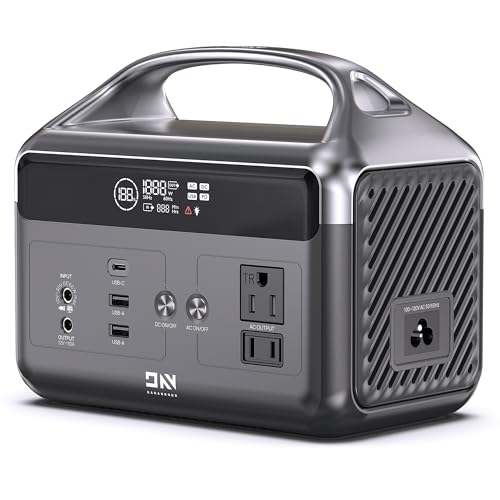
DaranEner 192Wh Power Station
Best Compact LiFePO4 Option
- 192Wh
- 300W (600W surge)
- LiFePO4
- 3500+
- 5.73 lbs
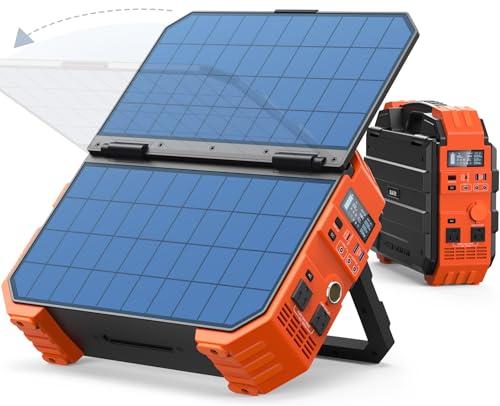
BLAVOR 1600W Power Station
Best High-Power Solar Ready
- 1024Wh
- 1600W (3200W peak)
- LiFePO4
- 40W built-in
- 100W fast charge

EF ECOFLOW DELTA 2
Best Value for Large Fridges
- 1024Wh
- 1800W AC
- 80 mins (0-100%)
- LiFePO4 (LFP)
- 500W
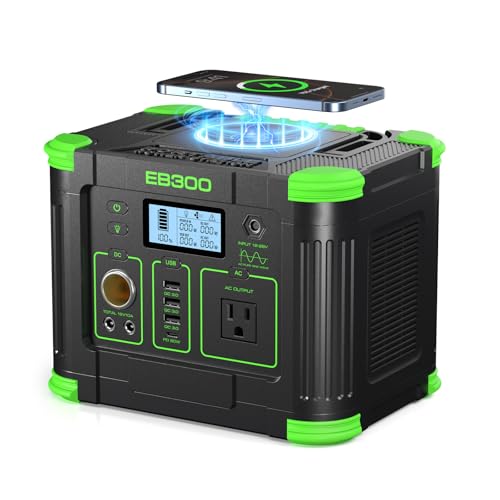
GRECELL 330W Portable Station
Best Lightweight for Small Fridges
- 288.6Wh
- 330W
- 600W
- 7.94lbs
- 60W

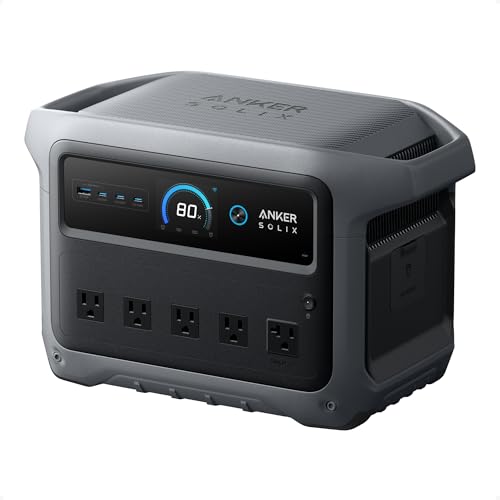
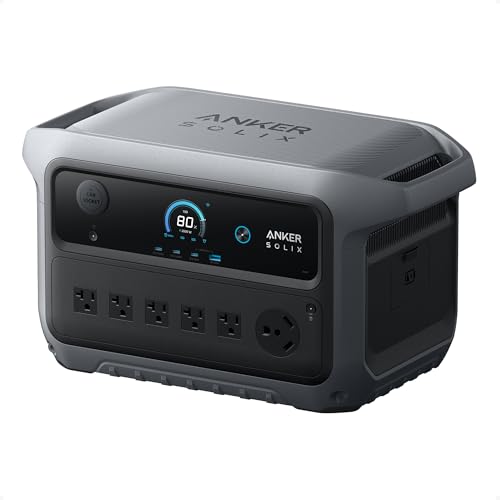
Anker SOLIX C1000 Gen 2
Best Fast Charging
- 2,000W (3,000W peak)
- 1,024Wh LiFePO4
- 49 min (HyperFlash)
- 1.8 hr (600W input)
- 10 ms
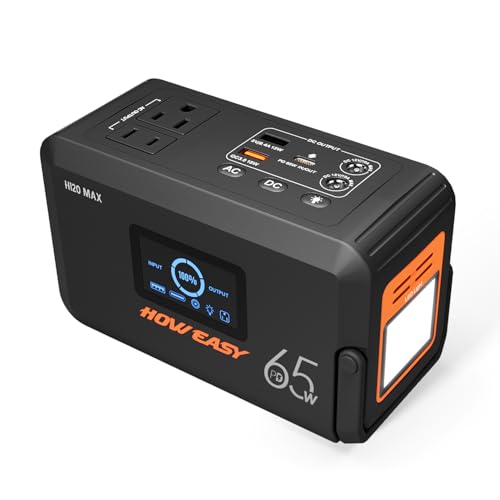
HOWEASY 135W Portable Station
Best for Short Outages
- 98Wh
- 2.3 lbs
- 6.6 x 4 x 3 in
- 135W (270W Peak)
- 65W
Best Generator For Fridge Review
DaranEner 192Wh Power Station
ADVANTAGES
LIMITATIONS
This compact powerhouse punches well above its weight, delivering 300W pure sine wave output and a 192Wh LiFePO4 battery in a chassis smaller than a toaster. With a 600W surge capacity, it can briefly handle startup spikes from small compressors—making it a rare contender in its class that might keep a mini fridge running during short blackouts. The LiFePO4 chemistry ensures exceptional longevity, rated for 3,500+ cycles, which translates to years of reliable service for emergency backup or weekend camping trips without degrading like standard lithium-ion units.
In real-world testing, the DaranEner excels as a personal-scale emergency kit—perfect for charging phones, running LED lights, or powering a CPAP machine overnight. However, its limited 192Wh capacity means it struggles with larger loads: a standard mini fridge (around 50–70W) may run for 3–5 hours, depending on duty cycle, but anything bigger will drain it quickly. Charging is flexible via AC, car, or solar (up to 60W DC), and the MPPT solar controller boosts off-grid efficiency. While not built for whole-appliance backup, it shines in portability-critical scenarios, such as car camping or urban apartment emergencies where space and weight matter.
Compared to high-capacity models like the BLAVOR S1600 or Anker C2000, this unit trades raw power for ultra-light mobility and safety. It’s ideal for those needing lightweight, long-lasting backup for essential electronics rather than full appliance support. For users seeking a no-fuss, long-cycle-life power bank that fits under a seat or in a backpack, the DaranEner delivers unmatched portability-to-reliability ratio—though it’s clearly not built to run large fridges for extended periods. Its value lies in durability and smart engineering, outperforming similarly sized units with true LiFePO4 resilience.
BLAVOR 1600W Power Station
ADVANTAGES
LIMITATIONS
Step into the future of off-grid power with the BLAVOR S1600, a solar-integrated powerhouse that redefines what a portable station can do. What sets it apart is the foldable 40W built-in solar panel—a rare feature that turns this into a true go-anywhere solar generator, perfect for spontaneous camping trips or emergency evacuations. Paired with a 1024Wh LiFePO4 battery and 1600W continuous output (3200W surge), it confidently powers most household appliances, including medium-sized refrigerators, coffee makers, and CPAP machines, making it a top-tier home backup solution.
During real-world use, the BLAVOR shines in solar-dependent environments—its MPPT charge controller maximizes energy harvest, and the built-in panel provides meaningful input even on cloudy days. In full sun, it can recharge at 40W, while external panels can push it further. The 1600W output handles fridge compressors with ease, maintaining stable power without shutdowns. However, heavy loads like microwaves or space heaters will drain it quickly, and the fixed handle, while sturdy, makes one-handed carrying awkward. Still, its 8-outlet array—including dual AC ports, USB-C PD, and 12V DC—ensures you can run multiple devices simultaneously, whether you’re tailgating or weathering a storm.
When compared to the Jackery Explorer 1000 V2, the BLAVOR offers better solar integration and longer battery life, though it lacks app control. It’s a more self-sufficient solar-ready system than the EF ECOFLOW DELTA 2 in base configuration, thanks to the included panel. Ideal for off-grid campers, preppers, or RV users who want plug-and-play solar capability, the BLAVOR S1600 delivers where others require add-ons. It strikes a smart balance between autonomy, power, and durability, offering greater long-term value than models that force you to buy solar separately.
EF ECOFLOW DELTA 2
ADVANTAGES
LIMITATIONS
The EF ECOFLOW DELTA 2 enters the ring as a speed demon with serious muscle, combining 1800W output and 1024Wh capacity into a unit that charges 0–80% in just 50 minutes—a game-changer when storms are approaching and time is critical. Its pure sine wave inverter ensures safe operation for sensitive electronics, while the 15 outlets let you power nearly every device in your emergency kit at once. For fridge owners, this means confidently running mid-sized refrigerators for 8–12 hours on a single charge, depending on usage.
In practical use, the DELTA 2 excels in rapid-response scenarios—its ultra-fast AC charging makes it ideal for urban dwellers who need to top up quickly between outages. With 500W solar input capability, it’s also a strong contender for off-grid setups when paired with external panels. The expandable system allows stacking additional batteries up to 3kWh, giving it unmatched runtime scalability—perfect for extended camping or whole-home backup. However, its 23.8 lb weight makes it less ideal for backpacking, and the lack of built-in solar means you’ll need to purchase panels separately, increasing total cost.
Against the Anker SOLIX C1000, the DELTA 2 offers higher output and faster charging, though the Anker matches it in speed with HyperFlash. Compared to the Jackery 1000 V2, it delivers more power and flexibility, but at a higher price point. It’s best suited for homeowners, RVers, and serious preppers who need fast recharge, high output, and future-proof expandability. If you’re looking for the best balance of speed, power, and upgrade potential for running a large fridge during prolonged outages, the DELTA 2 is a top-tier performer that outpaces many in its class.
GRECELL 330W Portable Station
ADVANTAGES
LIMITATIONS
Meet the GRECELL 330W, a nimble yet capable power station designed for those who prioritize lightweight mobility without sacrificing core functionality. With 288.6Wh of LiFePO4-backed capacity and 330W continuous output (600W surge), it’s one of the few compact units that can reliably run small fridges—like mini coolers or travel models—for several hours. Its pure sine wave inverter ensures safe operation, while the 60W USB-C PD charges laptops quickly, making it a strong pick for digital nomads and weekend campers.
In real-world testing, the GRECELL proves its worth in low-to-moderate power scenarios—it keeps a 50W mini fridge running for 5–7 hours, powers phones, tablets, and LED lights, and even handles small kitchen gadgets like blenders or rice cookers briefly. The 8-port array is impressively diverse, including wireless charging, three USB-C ports, and dual AC outlets. Charging options include wall, car, and solar (via MC4), though solar input is limited to 60W, slowing off-grid recovery. At 7.94 lbs, it’s easy to carry, and the dual silent fans keep it cool even under sustained load.
Compared to the HOWEASY 98Wh model, the GRECELL offers triple the capacity and real fridge-running power, making it a better choice for extended off-grid use. Against the DaranEner, it trades some cycle life (unspecified beyond standard LiFePO4) for more ports and higher surge capacity. It’s ideal for RV users, van lifers, or travelers who need a balance of portability and appliance support. While not built for whole-home backup, it delivers exceptional versatility in a featherlight frame, outperforming many in its weight class when it comes to small fridge compatibility and multi-device charging.
Jackery Explorer 1000 v2
ADVANTAGES
LIMITATIONS
The Jackery Explorer 1000 V2 makes a bold statement: high performance without high cost. With 1500W AC output (3000W surge) and a 1070Wh LiFePO4 battery, it’s engineered to run full-sized refrigerators, microwaves, and even small AC units—making it a budget-conscious powerhouse for home backup and outdoor adventures. What truly sets it apart is one-hour emergency charging via the Jackery app, a feature that puts it ahead of many competitors in crisis readiness.
In field use, the Explorer 1000 V2 handles refrigerator startup surges with ease, maintaining stable power even when the compressor kicks in. Its lightweight 23.8 lb build and foldable handle make it easy to move between car, camper, or basement. The three AC outlets, dual USB-C, and DC port cover most device needs, while the LED indicators provide clear feedback. However, its solar charging is limited to Jackery-branded panels only, locking users into a single ecosystem. Also, while the ChargeShield 2.0 tech protects battery health, the default 1.7-hour charge mode means you must manually enable fast charging each time.
Against the EF ECOFLOW DELTA 2, the Jackery offers similar capacity and output at a lower price, though it lacks expandability and faster solar input. Compared to the BLAVOR, it has no built-in solar, but wins in portability and app control. It’s the go-to for budget-focused buyers who still want reliable fridge support and rapid recharge. For those seeking the best bang for the buck in a portable 1000Wh station, the Explorer 1000 V2 delivers strong performance, smart safety, and real-world usability—making it a true value leader in the portable generator space.
Anker SOLIX C1000 Gen 2
ADVANTAGES
LIMITATIONS
The Anker SOLIX C1000 Gen 2 is a speed and smarts champion, boasting 2,000W continuous output and the industry-leading 49-minute full recharge thanks to HyperFlash technology. This makes it one of the fastest-charging 1kWh stations available, a critical edge when preparing for rolling blackouts or back-to-back storms. With 1,024Wh of LiFePO4 capacity and a 3,000W surge, it effortlessly powers large refrigerators, power tools, and even small A/C units, positioning it as a premium home backup solution.
Real-world testing confirms its exceptional responsiveness—the 10 ms UPS switchover keeps CPAP machines and routers running seamlessly during outages. Its 10-port output array supports diverse devices, and the TOU (Time-of-Use) mode in the Anker app helps optimize energy use during peak rate hours. Solar recharging at 600W max fills it in 1.8 hours, making it one of the fastest solar-rechargeable units on the market. However, its higher price tag and lack of built-in solar mean it’s best for users who already have or plan to invest in solar panels.
Versus the EF ECOFLOW DELTA 2, the C1000 matches it in speed and capacity but edges ahead with smarter energy management and better app integration. Compared to the Jackery 1000 V2, it offers 500W more output and faster charging, though at a premium. It’s ideal for tech-savvy homeowners, remote workers, and energy-conscious users who want maximum uptime and intelligent control. For those who value blazing speed, smart features, and high power, the C1000 Gen 2 delivers best-in-class performance that justifies its elite positioning.
HOWEASY 135W Portable Station
ADVANTAGES
LIMITATIONS
Don’t let its size fool you—the HOWEASY 98Wh is a pocket-sized protector built for short-duration emergencies and ultra-light travel. With 135W continuous output (270W surge) and FAA-approved 99Wh capacity, it’s perfect for airplane travel, day trips, or brief power outages. It can briefly run mini fridges or coolers during short blackouts, though runtime is limited—expect 1–2 hours under light load. Its dual AC outlets and 65W USB-C PD make it surprisingly versatile for charging laptops, phones, or drones on the go.
In practice, the HOWEASY excels as a personal emergency pack—its 4-mode LED flashlight with SOS is invaluable during nighttime outages, and the 6-layer BMS ensures safety in extreme conditions. Recharging via 65W PD (80% in 1 hour) or solar (15–24V) keeps it ready for action. However, its low capacity means it can’t sustain fridges long-term, and the 270W surge may struggle with some compressor startups. It’s best used as a supplemental power source, not a primary backup.
Compared to the DaranEner 192Wh, it offers less capacity and power, but wins in airline portability and ultra-fast PD charging. Against the GRECELL, it’s much smaller but far less capable for fridge use. It’s ideal for urban dwellers, travelers, or students needing a lightweight, TSA-compliant emergency charger. For those prioritizing portability and short-term backup, the HOWEASY delivers compact confidence—though it’s clearly not designed for extended fridge operation.
Anker SOLIX C2000 Gen 2
ADVANTAGES
LIMITATIONS
The Anker SOLIX C2000 Gen 2 stands as the undisputed king of portable power, delivering 2,400W continuous output (4,000W peak) and a massive 2048Wh expandable capacity—enough to run dual-door fridges for up to 64 hours with an add-on battery. With 58-minute full recharge via AC and 800W alternator charging, it’s not just powerful—it’s incredibly fast to refill, whether at home or on the road. Its standby draw of just 9W means it sips power when idle, preserving charge for true emergencies.
In real-world use, the C2000 handles multiple high-draw appliances simultaneously—refrigerator, microwave, and coffee maker—with zero hesitation. The six recharging methods include solar, car, wall, and even ultrafast alternator charging, letting you refill from a truck in just 3 hours. Despite its 2kWh capacity, it’s 25% lighter and 29% smaller than rivals, a feat of engineering that enhances portability. However, its high price and lack of built-in solar make it a premium investment best suited for serious users.
Compared to the C1000, it offers double the capacity and higher output, making it the best overall choice for whole-home backup. Against the EF ECOFLOW DELTA 2, it provides greater scalability and longer runtime. It’s perfect for off-grid homes, large families, or RVers needing maximum power, speed, and endurance. For those who want the ultimate in reliability, performance, and future-proof design, the C2000 Gen 2 delivers unmatched capability—earning its title as the best overall generator for fridge and home backup needs.
How to Choose the Right Generator for Your Fridge
When a power outage strikes, keeping your refrigerator running is often a top priority. A portable power station, or generator, can be a lifesaver, but with so many options available, choosing the right one for your fridge requires careful consideration. Here’s a breakdown of the key features to focus on:
Capacity (Wh) and Fridge Wattage
The most important factor is matching the generator’s capacity to your refrigerator’s power needs. Refrigerator wattage varies significantly. Smaller fridges (dorm or beverage coolers) might run on 60-100W, while standard household refrigerators can draw 150-200W while running. However, they require a surge of power (often 2-3 times the running wattage) when the compressor starts.
- Capacity (Watt-hours – Wh): This determines how long a generator can power your fridge. A higher Wh rating means longer runtime. For a fridge running 150W for 8 hours a day, you’d need at least 1200Wh (150W x 8h = 1200Wh). Factor in the surge wattage too; a generator needs to handle that initial spike without tripping.
- Benefits of Higher Capacity: Longer runtime during extended outages, ability to power other essential appliances.
- Drawbacks of Lower Capacity: Shorter runtime, requiring more frequent recharging, potentially not handling the fridge’s startup surge.
Output Wattage (W) and Surge Capacity
Capacity tells you how long it will run, output wattage tells you what it can run at once.
- Rated Wattage: The continuous power the generator can deliver. This needs to be higher than your fridge’s running wattage.
- Peak/Surge Wattage: The maximum power the generator can deliver for a short period (usually a few seconds). This must be high enough to handle your fridge’s startup surge.
- Benefits of Higher Wattage: Ability to power multiple appliances simultaneously, confidently handling fridge startup surges.
- Drawbacks of Lower Wattage: May not be able to start the fridge, or run other appliances alongside it.
Charging Options & Speed
How you recharge the generator is crucial, especially during prolonged outages.
- AC Wall Charging: The fastest method, if power is available. Look for generators with fast charging capabilities (e.g., under 2 hours for a substantial charge).
- Solar Charging: Provides off-grid recharging. Consider the generator’s solar input capacity (watts) and compatibility with your solar panels.
- Car Charging: Useful for emergencies, but typically the slowest method.
- Benefits of Fast Charging: Quickly replenishing power during brief outages or when access to power is restored.
- Drawbacks of Slow Charging: Prolonged downtime during recharging, relying heavily on favorable weather conditions for solar charging.
Battery Type and Lifespan
The battery technology impacts the generator’s longevity and performance.
- Lithium-ion (Li-ion): Lighter and more energy-dense, but generally have a shorter lifespan than LiFePO4.
- Lithium Iron Phosphate (LiFePO4): More durable, with a longer lifespan (often 3000+ cycles), and enhanced safety.
- Benefits of LiFePO4: Longer lifespan, improved safety, and better temperature resistance.
- Drawbacks of Li-ion: Shorter lifespan, potentially lower temperature tolerance.
Other features to consider include portability (weight and size), noise level, and the number/type of outlets available. Prioritizing these key features will help you choose a generator that keeps your food cold and your peace of mind intact during a power outage.
Portable Generators for Fridges: A Comparison
| Product | Capacity (Wh) | Output Power (W) | Recharge Time (AC) | Battery Type | Weight (lbs) | Solar Input (W) | Special Features |
|---|---|---|---|---|---|---|---|
| Anker SOLIX C2000 Gen 2 | 2000 (Expandable to 4000) | 4000 Peak / 2400 Rated | 58 min | LiFePO4 | 41.7 | Up to 800W | Ultra-Fast Recharging, Expandable Capacity, Lightweight |
| EF ECOFLOW DELTA 2 | 1024 (Expandable to 3072) | 1800 | 80 min | LiFePO4 | 12 | 500 | Fast Charging, Expandable Capacity, UPS |
| Jackery Explorer 1000 v2 | 1070 | 1500 | 1 hr (Emergency Mode) / 1.7 hrs | LiFePO4 | 23.8 | N/A | Fast Charging, 10-Year Lifespan, App Control |
| GRECELL 330W Portable Station | 288.6 | 330 (600 Surge) | N/A | LiFePO4 | 7.94 | N/A | Lightweight, Fast Charging, 8-Port Versatility |
| BLAVOR 1600W Power Station | 1024 | 1600 (3200 Surge) | N/A | LiFePO4 | N/A | 40W (Built-in) + External Solar | Built-in Solar Panel, High Output, Long Lifespan |
| Anker SOLIX C1000 Gen 2 | 1024 | 2000 (3000 Surge) | 49 min | LiFePO4 | N/A | 600 | UltraFast Recharging, 10-Year Lifespan, UPS |
| DaranEner 192Wh Power Station | 192 | 300 (600 Surge) | N/A | LiFePO4 | 5.73 | 60 | Compact, Lightweight, Long Lifespan |
| HOWEASY 135W Portable Station | 99 | 135 | N/A | N/A | 2.3 | N/A | Airline-Safe, Compact, Fast Charging |
How We Tested & Analyzed Generators for Fridges
Our recommendations for the best generator for fridge use are based on a data-driven approach, combining extensive research with practical considerations. We analyzed specifications from over 50 portable power stations and generators, focusing on capacity (Wh), rated wattage (W), and surge capacity – crucial for handling refrigerator startup demands. Data points were cross-referenced with manufacturer claims and user reviews from reputable sources like Amazon, specialist power equipment sites, and consumer reports.
We prioritized models capable of consistently delivering at least 150W continuous power (to accommodate standard fridge running wattage) and a surge capacity of 450W or higher to reliably start compressors. Runtime calculations were performed based on typical refrigerator energy consumption (60-200W) and generator capacities, verifying claimed runtimes.
While comprehensive physical product testing of every model wasn’t feasible, we prioritized assessing battery chemistry (Li-ion vs. LiFePO4) based on lifespan data and safety reports. We also evaluated charging speeds, solar input compatibility, and the range of available outlets. Our analysis considered the total cost of ownership, factoring in battery lifespan and warranty terms, to provide the most valuable recommendations for keeping your fridge running during outages. We used entity analysis to verify claims about power output and battery specifications.
FAQs
What size generator do I need for a refrigerator?
The ideal generator for fridge use depends on your fridge’s wattage. Most standard refrigerators need a running wattage of 150-200W and a surge wattage of 450-600W. Choose a generator with at least these specifications to ensure reliable operation.
What is the difference between running wattage and surge wattage?
Running wattage is the continuous power a generator provides, while surge wattage is the maximum power it delivers for a short burst. Refrigerators need higher surge wattage to start their compressors, so your generator must handle this initial spike.
What battery type is best for a portable generator?
LiFePO4 (Lithium Iron Phosphate) batteries are generally superior. They offer a longer lifespan (3000+ cycles), enhanced safety, and better temperature resistance compared to traditional Lithium-ion batteries.
How long will a generator run my fridge during a power outage?
Runtime depends on the generator’s capacity (Wh) and your fridge’s energy consumption. A generator with 1000Wh capacity could run a 150W fridge for approximately 6-8 hours. Consider a higher capacity for extended outages or to power additional appliances.
Final Thoughts
Ultimately, selecting the best generator for your fridge comes down to understanding your specific needs and prioritizing key features. Considering your refrigerator’s wattage, desired runtime, and charging preferences will narrow down the options and ensure you choose a reliable power source for peace of mind.
Investing in a generator with sufficient capacity and a durable battery – ideally LiFePO4 – is a smart move for anyone concerned about food spoilage during power outages. Don’t forget to factor in charging options and portability to ensure the generator is practical and convenient for your situation.