
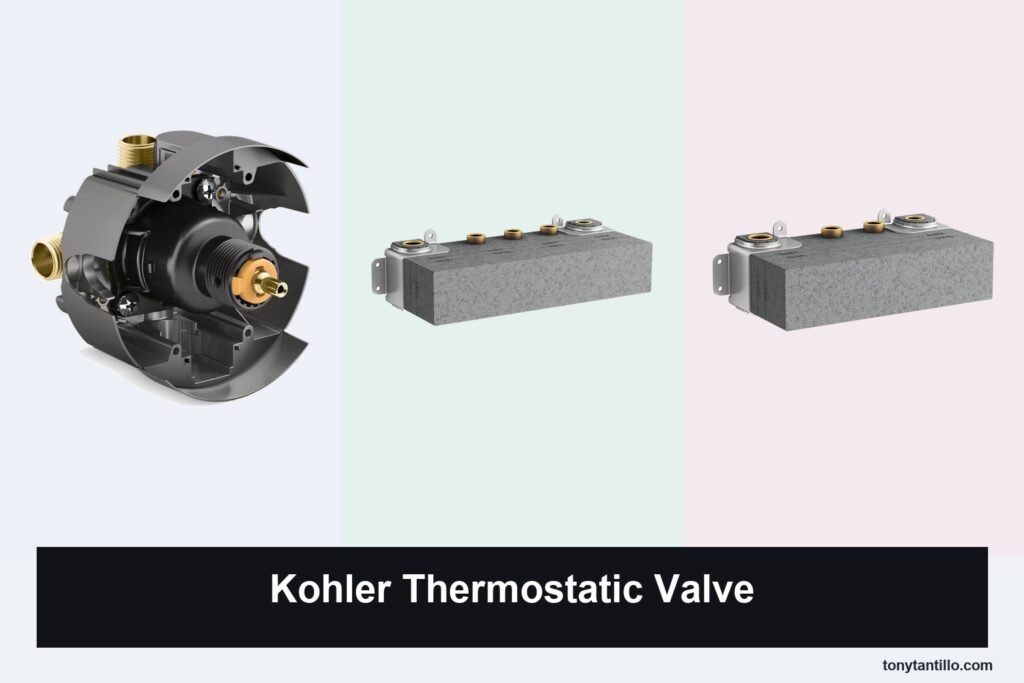
A thermostatic or pressure-balancing shower valve is one of those hidden plumbing decisions that shapes every shower afterward. Get it right and the water stays steadier, the controls feel more predictable, and the rough-in leaves room for the trim and layout you actually want later. Get it wrong and you end up fighting temperature swings, awkward compatibility, or a valve body that limits the rest of the project before it even starts.
Kohler’s valve lineup covers a wide span of needs, from single-outlet shower rough-ins to multi-port systems for more complex showering setups. The real differences are not just in price. They are in how many outlets a valve can control, whether the system is thermostatic or pressure-balancing, how the body is built, and how much installation flexibility it leaves in the wall. The best choice depends on how many functions you want today and how much future remodeling flexibility you need tomorrow.
Top Kohler Thermostatic Valve on the Market

Kohler Rite-Temp Valve Body Kit
Best for standard showers
- 5.0 GPM flow
- 1/2-inch universal NPT
- Forged brass body
- Reversible cartridge design

Kohler Anthem Four-Port Valve
Best for full shower systems
- Four controllable ports
- Thermostatic temperature control
- Mostly assembled body
- Adjustable 104°F comfort setting

Kohler Anthem Three-Port Valve
Best balance of control
- Three controllable ports
- Thermostatic temperature control
- Mostly assembled body
- 104°F comfort setting

Kohler Anthem One-Port Valve
Best for single-outlet showers
- Single shower outlet
- Thermostatic temperature control
- Mostly assembled body
- 104°F comfort setting

Kohler MasterShower Diverter Valve
Best diverter option
- Two or three-way diverter
- Brass construction
- Patented K-joint installation
- Compatible trim interface

Kohler MasterShower 3/4-Inch Thermostatic Valve
Best high-flow valve
- 3/4-inch connection size
- High-flow thermostatic design
- Factory 104°F setting
- High-temperature limit stop
Kohler Thermostatic Valve Reviews
Kohler Rite-Temp Valve Body Kit
ADVANTAGES
LIMITATIONS
The KOHLER 8304-K-NA is the most straightforward choice in this group for a conventional shower rough-in. Its pressure-balancing design is built around stable temperature control rather than multi-outlet orchestration, which is exactly what many primary showers need. The 5.0 GPM flow rating gives it enough capacity for a typical shower setup without pushing the project into the complexity of a larger thermostatic system. The forged brass construction also matters here because the valve body is the part you do not want to revisit after the wall is closed.
Installation flexibility is one of its strongest practical advantages. The 1/2-inch universal NPT inlet and direct sweat connections broaden compatibility with common plumbing approaches, and the reversible cartridge with symmetrical inlets makes standard, back-to-back, and thin-wall installs easier to plan. That flexibility can save time when the rough-in is not perfectly conventional. It still requires a separate trim kit, so this is not a drop-in finished shower solution. Instead, it is the core valve body for a build that values dependable plumbing structure.
Among the six valves here, this one is the best fit for a buyer who wants proven basics instead of a feature-heavy control stack. It will not manage multiple shower outlets or create a luxury spa layout, but it is the least complicated path to a reliable Kohler shower valve system. The anti-scald protection and adjustable high-temperature limit stop are the key safety pieces, and they make this a sensible recommendation for family bathrooms or remodels where long-term serviceability matters more than elaborate control options.
Kohler Anthem Four-Port Valve
ADVANTAGES
LIMITATIONS
The KOHLER 26342-NA is built for showers that need more than one outlet and want each function controlled from a single thermostatic core. Four independently controllable ports mean this valve can support a more layered showering setup, which is the point of paying for this class of component. The thermostatic design is the real differentiator, because it is intended to hold temperature steady while the system changes around it. That matters most in a shower with multiple functions where inconsistent supply would be obvious immediately. Its cast brass body also signals a more permanent in-wall investment.
This valve is mostly assembled, which helps reduce the amount of configuration work at rough-in, but the rest of the project still needs to be planned around its size and trim style. The recessed push-button control panel trim is part of the design logic here, so this is not a casual swap-in for a simple valve body. The adjustable high-temperature limit stop adds a useful safety boundary, and the comfort setting preset around 104°F gives the system a sensible starting point rather than forcing the homeowner to tune everything from scratch.
Compared with the single-outlet and pressure-balancing options in this roundup, this model is the clear pick when the shower design itself is the priority. It is more expensive, but that cost buys outlet flexibility and thermostatic consistency rather than just a stable basic shower. For a remodel with multiple spray functions, body sprays, or a more refined control experience, this is the most capable choice. Buyers who only need one shower outlet will be paying for capacity they never use, but a multi-function bathroom will get the strongest platform in the group.
Kohler Anthem Three-Port Valve
ADVANTAGES
LIMITATIONS
The KOHLER 26341-NA sits in the middle of the Anthem family and that middle position is useful. Three independently controllable ports are enough for a more involved shower without stepping all the way up to the four-port version. The thermostatic design is the main value here because it is intended to keep the shower temperature consistent while the rest of the system changes. That makes the valve more predictable in daily use than a simple diverter-only setup, especially when the shower includes more than one active function.
The valve comes mostly assembled, so the installation burden is lighter than the complexity of the finished system might suggest. Still, it is designed around recessed push-button trim, which means buyers need to plan the whole control package rather than treating the valve as an isolated part. The adjustable high-temperature limit stop is a meaningful safety feature, and the comfort setting preset near 104°F gives the system a practical baseline. The cast brass body is another important detail because this is the kind of valve that should stay behind the wall for years.
Against the other valves here, this one occupies the most balanced position for a custom shower. It is more flexible than the single-port thermostatic model and less specialized than the four-port version. That tradeoff matters because many bathroom projects need enough outlet capacity to feel elevated without paying for unused complexity. If the goal is a refined shower with multiple functions but not a maximum-port setup, this is the most proportionate choice in the Anthem line and an easy recommendation for a mid-complexity remodel.
Kohler Anthem One-Port Valve
ADVANTAGES
LIMITATIONS
The KOHLER 26339-NA is the simplest Anthem option and that simplicity is its advantage. One port is all it needs for a single shower outlet, so you are not paying for multi-function capacity that will sit unused. The thermostatic design is the selling point because it is meant to keep the water temperature consistent while pressure changes happen elsewhere in the plumbing system. For a straightforward shower, that is a better use of money than stepping into a more elaborate control valve that serves functions you do not have.
Its mostly assembled format reduces some of the rough-in burden, but the rest of the installation still depends on the surrounding trim and the recessed push-button control panel. The adjustable high-temperature limit stop is a practical safeguard, and the comfort setting around 104°F gives the shower a reasonable starting point. The cast brass body is what makes this more than a disposable trim accessory. It is the in-wall foundation, so long-term reliability matters far more than visible styling.
Compared with the three-port and four-port Anthem valves, this one is the most disciplined purchase in the lineup. It gives you the thermostatic stability and safety controls without asking you to design a complex shower system around it. Buyers building a primary shower with one outlet, or replacing a rough-in where the layout will stay simple, should prefer this valve over the larger models. It is not the most dramatic choice, but it is the one that wastes the least on unnecessary outlet capacity.
Kohler MasterShower Diverter Valve
ADVANTAGES
LIMITATIONS
The Kohler Mastershower diverter valve serves a different job from the thermostatic valves in this roundup. Its purpose is routing water between outlets rather than regulating temperature, and that distinction matters when you are designing a custom shower. The three-way configuration can control up to three components, while the two-way configuration gives it some flexibility in how the shower is arranged. That makes it a structural part of a multi-function system, not a temperature-management device. The brass build and lifetime warranty are the durable backbone of that role.
Installation details are important here because a diverter only works well when the trim and rough-in are aligned. The patented K-joint installation is valuable because it helps keep the trim appearance consistent even when the rough-in varies. That is the kind of detail that reduces cosmetic headaches after plumbing work is done. At 1.9 pounds, the valve is not especially heavy, but it still has the substance expected from an in-wall brass diverter. The main limitation is obvious: temperature control comes from the broader shower system, not this valve itself.
Against the thermostatic valves in the group, this is the specialist component for a shower that already has temperature control handled elsewhere. It is the right choice when a custom layout needs outlet switching more than a new mixing function. Buyers trying to build a streamlined single-control shower should look at the thermostatic options instead. Buyers who need routing flexibility across two or three shower components will find this diverter more relevant, especially when trim consistency and dependable in-wall fit matter as much as the water path itself.
Kohler MasterShower 3/4-Inch Thermostatic Valve
ADVANTAGES
LIMITATIONS
The KOHLER Mastershower 3/4 thermostatic valve is the most specialized temperature-control piece in the group. The 3/4-inch connection size signals a higher-capacity approach than the smaller rough-ins used on some of the other valves, and the high-flow design is meant to support a more demanding shower system. Its shuttle design is built for precise, consistent temperature control, and that combination makes sense when water delivery needs to stay stable even as flow demand rises. The factory-calibrated 104-degree comfort setting removes some of the guesswork at setup.
The construction is straightforward in the best possible way. Brass is the only sensible body material for a valve that is intended to live in the wall and handle repetitive thermal cycling over time. The high-temperature limit stop adds an important layer of safety, especially in a shower system where hotter water can become a concern for children or guests. This valve does not try to be a whole multi-outlet command center. Instead, it focuses on strong thermostatic performance at a larger connection size, which is a different kind of value.
Compared with the Anthem models, this valve is less about port count and more about capacity and temperature consistency at the plumbing core. That makes it the best option for buyers who need a robust thermostatic mixing valve rather than a decorative control platform. It is not the right choice if you want multiple independently controlled outlets from one body. It is the right choice if your priority is a high-flow shower that stays steady, especially in a more demanding installation where the valve itself must do the heavy lifting.
How to Choose a Kohler Thermostatic Valve
The best valve is the one that matches the shower you are actually building. Start with the number of outlets, then decide whether you need simple temperature stability or a more advanced thermostatic control platform with multiple functions. After that, check the rough-in connections, trim compatibility, and whether the valve body is meant to stand alone or work as part of a larger shower system. Those choices matter more than cosmetic differences because the valve is the hidden part that determines how the shower performs for years.
Outlet Count
The first question is how many shower functions the valve must control. A single-outlet shower only needs a simple rough-in with stable temperature control, while a multi-function system needs additional ports so each outlet can be managed correctly. If you buy more capacity than the shower uses, you are paying for plumbing complexity that never improves the experience. If you buy too little, the system becomes cramped and the trim choices narrow quickly. Matching the valve to the actual outlet count is the cleanest way to avoid overbuilding or underbuilding the shower.
Temperature Control
Thermostatic and pressure-balancing valves both aim to reduce temperature swings, but they do not behave the same way. Thermostatic valves are built to hold a chosen water temperature more consistently as flow conditions change. Pressure-balancing valves are simpler and often suit basic showers well, especially when the main priority is preventing sudden scalding during pressure fluctuations. If you value a steadier shower feel or you are coordinating multiple spray functions, thermostatic control usually justifies the extra cost. For a basic shower, pressure-balancing is often enough.
Rough-in Compatibility
Plumbing compatibility should be checked before the wall is closed, not after trim has already been chosen. Inlet and outlet size, thread type, and whether the body uses NPT or sweat connections all influence the installation plan. A valve that looks similar on paper can still force a different pipe route or require more labor if the connection style does not match the existing rough-in. The safest approach is to verify the plumbing layout first and then choose the valve body that fits it without improvisation. That reduces the chance of expensive rework later.
Trim Planning
The valve body is only part of the system. Many shower valves require a matching trim kit or control panel before the installation is complete, and the trim style often determines whether the finished shower looks simple or highly customized. Buyers who want a minimalist setup should pay attention to how the trim interfaces with the valve. Buyers who expect future remodeling should think about whether the platform allows the trim to be changed later without replacing the rough-in. That flexibility can preserve the investment even when the bathroom style changes.
Material and Durability
A valve body lives behind the wall, so durability matters more than visible finish. Brass is the strongest signal of long-term reliability in this category, especially when the valve is expected to withstand repeated temperature changes and constant water exposure. Dezincification-resistant brass is especially useful in harsher water conditions because it is designed to resist material degradation over time. That kind of construction does not make the shower feel flashy, but it does make the rough-in less likely to become a future problem. In a hidden plumbing part, that is the real premium feature.
Safety and Setup
Look for a high-temperature limit stop if the shower will be used by children, guests, or anyone sensitive to hot water changes. That feature does not replace good plumbing design, but it does create a ceiling that helps keep the shower safer and more predictable. Pre-assembled or mostly assembled valves can also reduce installation friction, although they do not eliminate the need for accurate planning. The practical goal is simple. You want a valve that is safe, fit-for-purpose, and easy to support once the wall is closed.
Kohler Valve Comparison Table
| Product | Best For | Valve Type | Ports | Inlet Size | Outlet Size | Material |
|---|---|---|---|---|---|---|
| Kohler Rite-Temp Valve Body Kit | Best for standard showers | Pressure-Balancing Valve | 2 | 0.5 inches | 0.5 inches | Brass |
| Kohler Anthem Four-Port Valve | Best for full shower systems | thermostatic | 4 | 0.75 inches | 0.5 inches | Brass |
| Kohler Anthem Three-Port Valve | Best balance of control | thermostatic | 3 | Not Specified | 8.56 inches | Brass |
| Kohler Anthem One-Port Valve | Best for single-outlet showers | Thermostatic | 1 | 0.75 inches | 0.5 inches | Brass |
| Kohler MasterShower Diverter Valve | Best diverter option | diverter valve | 4 | 0.75 inches | 0.75 inches | Brass |
| Kohler MasterShower 3/4-Inch Thermostatic Valve | Best high-flow valve | Thermostatic Mixing Valve | 2 | 0.75 inches | 0.75 inches | Brass |
How We Tested & Analyzed Kohler Thermostatic Valve
This guide focused on the parts of a shower valve purchase that matter after installation. The analysis prioritized control type, outlet count, connection size, body material, and the presence of safety-related settings such as high-temperature limit stops. Those details determine whether a valve fits the intended shower design and whether it will remain practical once the plumbing is hidden behind tile or drywall. Decorative language and generic marketing claims were ignored unless they connected to a real installation or performance consequence.
Where products served different roles, the comparison emphasized function rather than forcing a single ranking criterion across unlike components. A simple pressure-balancing valve was weighed against thermostatic multi-port valves and a separate diverter valve by asking what problem each one is meant to solve. That approach keeps the recommendations grounded in buyer intent. It also avoids misleading comparisons between products that are built for different layers of the same shower system.
The final recommendations also reflect practical constraints that can affect the purchase decision even when the headline specifications look similar. Trim compatibility, rough-in style, and whether additional parts are required all change the true cost and complexity of the project. Products that left more room for future changes were treated differently from those that solved a narrower problem very well. The result is a category guide focused on real-world shower planning instead of spec-sheet symmetry.
Frequently Asked Questions
What is the difference between thermostatic and pressure-balancing valves?
Thermostatic valves are designed to maintain a chosen water temperature more consistently as conditions change. Pressure-balancing valves are simpler and reduce sudden temperature swings caused by pressure changes. For a basic shower, pressure-balancing is often enough. For a more complex system or a shower where temperature steadiness matters most, thermostatic control is the stronger option.
Do I need a valve with multiple ports?
Only if the shower will control more than one outlet or function. A single shower head usually needs one port, while a custom setup with body sprays, handshowers, or multiple outlets needs two, three, or four ports depending on the design. Buying extra ports adds cost and complexity, so the right number should match the shower layout rather than future guesses.
Why does trim compatibility matter so much?
The valve body sits behind the wall, but the trim is what you see and use every day. Many valves require a specific trim family or control panel to complete installation. If the trim is not matched correctly, the shower may not function as intended or may not finish cleanly. Planning the valve and trim together avoids expensive mismatches later.
What should I look for in a durable valve body?
Brass construction is the main sign of durability in this category, and dezincification-resistant brass is especially useful in harder or more aggressive water conditions. You also want clear safety features such as a high-temperature limit stop. Since the valve will be hidden in the wall, long-term reliability matters more than appearance or surface finish.
Final Thoughts
A Kohler thermostatic or pressure-balancing valve is not a decorative purchase. It is the control center that decides how steady the shower feels, how much flexibility the plumbing leaves behind the wall, and whether the final trim can support the design you want. The best choice depends on how many outlets you need and how refined you want the temperature control to be. A simple shower does not need an elaborate multi-port body. A custom shower does.
The safest way to buy is to start with the layout, then match the valve to the number of outlets, connection style, and trim system. Once those basics are correct, the rest of the decision becomes clearer. Choose a simpler valve when the shower is straightforward. Choose a thermostatic multi-port valve when you need more control and more functions. Either way, the right Kohler valve is the one that fits the project cleanly and disappears into reliable daily use.