
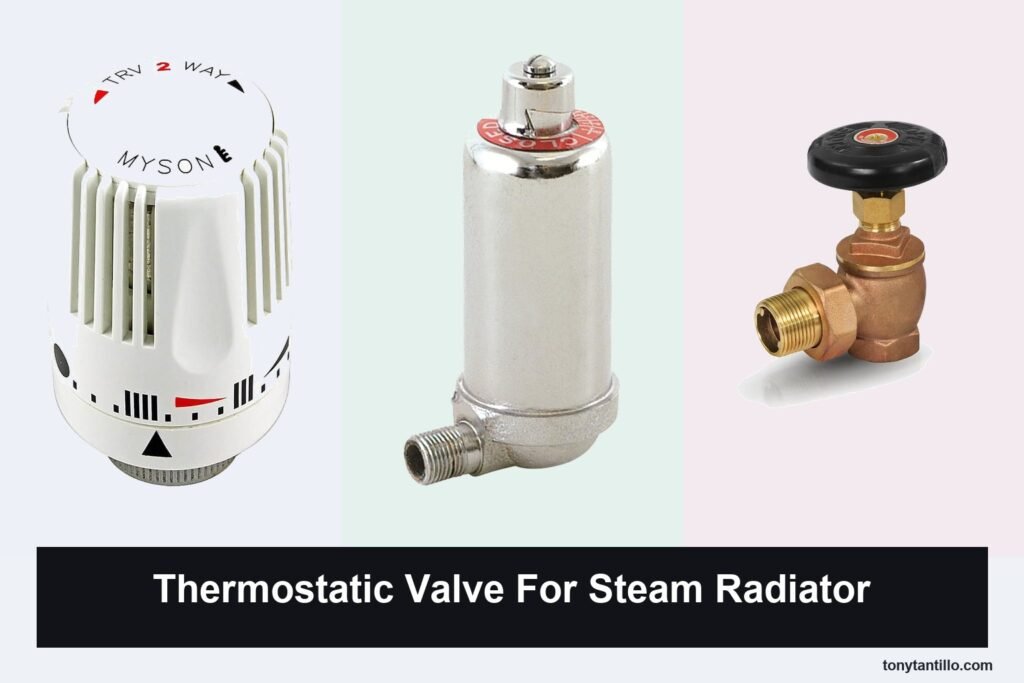
Choosing a valve for a steam radiator is less about picking the most familiar part and more about matching the right control style, thread size, and connection type to the system already in place. Steam hardware is unforgiving when the wrong piece is selected. A valve that fits physically but not functionally can create air-trapping problems, poor room balance, or a replacement that only looks compatible on paper.
That is why the best options in this category separate into a few distinct jobs. Some products are replacement heads for existing thermostatic bodies. Others are full steam radiator valves for balancing or controlling single-pipe systems. Air vents sit in a third camp and matter when the goal is managing trapped air and radiator response rather than replacing the whole valve assembly. The right choice depends on what you are trying to control, what connection your radiator uses, and whether you need a head, a full valve, or a vent.
Top Thermostatic Valve For Steam Radiator on the Market

Myson TRV 2-Way Replacement Head
Best Replacement Head
- Replacement head only
- For Myson TRV 2-way
- Interchangeable with Contract head
- Metal construction
- 140 g weight

EZ Flow 20378 Radiator Air Valve
Best Budget Air Valve
- 1/8-inch angle MIP
- Adjustable design
- 1.5 psi operating pressure
- Plastic body
- Two-port valve

Midline Valve 1-Inch Steam Radiator Valve
Best 1-Inch Steam Valve
- 1 in. FIP x male union
- Brass construction
- Includes nuts and tailpieces
- 15 WSP rating
- ISO 9001 manufacturer

Midline Valve 1.25-Inch Steam Radiator Valve
Best Large-Size Valve
- 1-1/4 in. FIP x male union
- Brass construction
- Includes nuts and tailpieces
- 15 psi maximum pressure
- ISO 9001 manufacturer

Gisafai 6-Pack Steam Radiator Air Valves
Best Multi-Pack Value
- Six-valve pack
- 1/8-inch NPT thread
- Copper chrome plating
- Includes sealant tape
- 10 psi maximum pressure
Thermostatic Valve For Steam Radiator Reviews
Myson TRV 2-Way Replacement Head
ADVANTAGES
LIMITATIONS
This is the most narrowly targeted option in the group, and that specificity is exactly why it matters. The unit is a replacement standard head for a Myson TRV 2-way thermostatic radiator valve, so it is meant to revive an existing compatible valve body instead of replacing plumbing hardware you already have in the wall or radiator. That makes it useful when the body is serviceable but the control head has aged out. The fact that the head is interchangeable with Myson’s Contract thermostatic head also narrows the fit question in a helpful way.
The practical consequence of that design is simple. You need the right valve body already in place, because the head-only format does not solve installation on its own. The compact 1.36 x 0.9 x 1.81 inch form and 140 g weight suggest a small, light control component rather than a bulky assembly, which is exactly what a replacement head should be. Its metal exterior finish and metal material point to a sturdier feel than a purely plastic cap, but the real advantage is compatibility discipline. This is not a universal fix.
Against the other products in this roundup, this one serves the most specific repair scenario. It is not for a new steam system, and it is not the right choice if you need to rework pipe connections or replace an air vent. For homeowners or installers who already have the matching Myson valve body, though, it is the cleanest path back to normal operation. The recommendation is straightforward: buy this only when you need a direct replacement head and can verify the compatible Myson 2-way fit.
EZ Flow 20378 Radiator Air Valve
ADVANTAGES
LIMITATIONS
This angle air valve is aimed at steam heating maintenance rather than full valve replacement, and that distinction matters. Its 1/8 inch angle MIP connection places it in the small-connection world of radiator venting, not in the larger pipework used for full control valves. The adjustable design gives it a level of tuning that fixed vents do not offer, which can help when a system needs a little more attention to balance and air release. At this price, it is positioned as a low-cost correction part rather than a premium control solution.
The performance boundaries are easy to read from the specs. The maximum operating pressure is 1-1/2 psi, while the listed maximum pressure is 10 psi, so this is a part that belongs in the proper low-pressure context. Its plastic material keeps weight down, and the compact 7 x 1 x 3 inch dimensions make it easy to handle during routine service. The tradeoff is that the material and simple construction are aimed at function and economy, not at the more substantial feel of brass hardware.
Compared with the Midline steam radiator valves, this unit does a different job entirely. It addresses air management, not full steam valve replacement. That means it is the better fit when a radiator needs venting correction and the system already uses the correct small threaded connection. It is also the least expensive option here, which makes it attractive for basic maintenance. The best recommendation is for buyers who need a modest, adjustable air valve and want to keep the repair focused and inexpensive.
Midline Valve 1-Inch Steam Radiator Valve
ADVANTAGES
LIMITATIONS
This valve is built for a more substantial steam radiator job than a simple vent or replacement head. The key detail is the 1 in. FIP x Male Union connection, which signals a full plumbing interface suited to single-pipe steam systems that need balancing or control. The brass body is the kind of material buyers expect in this category because it resists the kind of wear and corrosion that can punish less robust parts over time. With a handwheel-style setup and included nuts and tailpieces, the package is designed around real installation rather than theory.
The pressure and manufacturing details matter here. The valve is rated to 60 psi in the specifications and 60 WOG in the features, while the product also carries 15 WSP and ISO 9001 approval. Those figures do not make it a universal steam fix, but they do tell you this is not a flimsy replacement part. The compact 2 x 1 x 1 inch dimensions also suggest that the footprint stays small once installed, which is useful where space around the radiator is limited. The result is a valve aimed at practical longevity and secure connections.
Among the products in this roundup, this one offers the clearest balance of durability and general-purpose steam control for a standard one-inch connection. It is more involved than an air valve and more complete than a replacement head, so it is the logical choice when the existing valve itself needs attention. Buyers who want a straightforward brass assembly for a single-pipe steam setup should look here first. The tradeoff is simple: this is less specialized than the Myson head but much more structural, so it is the stronger pick for actual valve replacement work.
Midline Valve 1.25-Inch Steam Radiator Valve
ADVANTAGES
LIMITATIONS
This version follows the same basic steam-control idea as the one-inch model, but it is sized for a larger connection. The defining detail is the 1-1/4 inch FIP x Male Union setup, which makes it the better match when the radiator or existing piping calls for the larger thread size. That matters because steam work is not forgiving about adapting the wrong size in a way that weakens the connection. The brass construction again points to a durable, service-oriented part rather than a cosmetic replacement.
The specification picture is a little different from the one-inch valve. Here the maximum pressure is listed at 15 psi, which is lower than the 60 psi figure shown for the smaller model. That makes careful match-up important, especially for buyers comparing the two Midline options. The product still includes nuts and tailpieces, and it still carries ISO 9001 approval, so installation support and manufacturing discipline remain part of the appeal. In practical terms, this is the valve for the larger connection path, not a general upgrade for any steam radiator.
Compared with the one-inch Midline valve, this unit is the better choice only when the larger connection is already part of the system. It is not a broader-value pick, and it is not trying to be. Its strength is that it solves the size problem cleanly and retains the same brass, union, and installation-friendly package approach. For buyers working on a 1-1/4 inch steam setup, it is the more appropriate option and the safer recommendation. For everyone else, the smaller version is the better fit.
Gisafai 6-Pack Steam Radiator Air Valves
ADVANTAGES
LIMITATIONS
This package stands apart because it is built around quantity and convenience. The headline detail is the 6-pack format, which immediately changes the buyer profile from single replacement to multi-radiator service or stocked maintenance. Each valve uses a 1/8 inch NPT thread, so this is still a small connection part rather than a whole-control assembly. The included roll of industrial sealant tape is not a throwaway extra. It helps support a leak-resistant installation when multiple valves are being replaced at once.
The materials and pressure details reinforce the maintenance-first approach. Copper chrome plating should age better than bare lightweight parts in a damp heating environment, and the compact valve design is intended to release trapped air without a lot of fuss. The maximum pressure is 10 psi, while the working pressure is listed at 5 psi in the features. That means this is a venting part for the right low-pressure context, not a broad solution for every steam configuration. The quiet-operation note also matters because air vents are often judged by whether they chatter or hiss once installed.
Relative to the single-piece EZ Flow valve, this one is the more strategic purchase if you are servicing several radiators or want spares on hand. It is also more obviously an air-vent solution than either Midline steam control valve, so it belongs in a different part of the decision tree. The strongest argument for this product is efficiency over time. If you have multiple 1/8 inch vent points and want one purchase to cover them, this is the most sensible choice in the roundup. It is less specialized than the Myson replacement head, but far more economical per valve than buying singles.
How to Choose a Steam Radiator Valve
The first decision is to identify the job, not just the symptom. A steam radiator system may need a replacement head, a new full valve, or a venting part that helps the radiator release air properly. Those are not interchangeable roles. Once you know which part failed or which control you are trying to improve, the rest of the purchase becomes much more manageable. Thread size, connection style, and pressure rating then become the filters that separate a correct repair from a frustrating near-match.
Match the Part Type
Steam radiator hardware looks similar until you separate the control jobs. A replacement head only makes sense when the valve body is already in place and still usable. A full valve is for a more complete repair of the pipe connection and control point. An air vent is a smaller part that manages trapped air and heating response. Buying the wrong category can leave you with a piece that fits a radiator but cannot actually solve the problem you are trying to fix.
Check the Connection Size
Thread size is one of the most important details in steam work because the wrong size usually means the part cannot be installed correctly without extra adapting. Common small vent sizes are very different from full radiator valve threads. Before ordering, identify the existing connection rather than guessing from the radiator’s age or appearance. If the pipework calls for a 1-inch or 1-1/4 inch connection, that needs to be matched exactly. Smaller vent threads belong to a different class of part and should be treated that way.
Read the Pressure Ratings
Pressure numbers tell you whether a part belongs in a venting role or in a heavier control application. Low-pressure ratings can be perfectly appropriate for air valves that only manage exhaust and balance. Full steam control valves may carry different working and maximum pressure figures, and those values matter because they indicate how the component is intended to behave in service. Do not treat a higher number as automatically better. The right rating is the one that matches the job and the system’s operating conditions.
Choose the Right Material
Material affects durability, resistance to corrosion, and the feel of the part during installation. Brass is a strong fit for steam hardware because it is built for repeated service and tends to hold up well in damp heating environments. Lighter plastic parts are usually more appropriate for smaller venting functions, especially when price and simplicity matter more than a heavy-duty body. If the valve will be exposed to frequent maintenance, heat cycling, or moisture, a sturdier material can be worth the extra cost.
Think About Installation Scope
Some steam radiator purchases are one-off repairs, while others cover a whole room or more. A single replacement head is efficient when one compatible valve body needs reviving. A multi-pack can make more sense when you are servicing several radiators or want backups for future maintenance. Full valves often require more installation effort, but they also solve more structural problems. The larger the job, the more useful it is to prioritize included hardware, secure connection types, and clear sizing over simple low price.
Steam Radiator Comparison Table
| Product | Best For | Thread Size | Material | Pressure | Connection Type | Exterior Finish |
|---|---|---|---|---|---|---|
| Myson TRV 2-Way Replacement Head | Best Replacement Head | 0.5 inches | Metal | Not Specified | Flange | metal |
| EZ Flow 20378 Radiator Air Valve | Best Budget Air Valve | 1/8 inch | Plastic | 1.5 psi | National Pipe Tapered | No Color |
| Midline Valve 1-Inch Steam Radiator Valve | Best 1-Inch Steam Valve | 1 inch | Brass | 60 psi | Male Iron Pipe | Brass |
| Midline Valve 1.25-Inch Steam Radiator Valve | Best Large-Size Valve | 1.25 inches | Brass | 15 psi | Female Iron Pipe | Brass |
| Gisafai 6-Pack Steam Radiator Air Valves | Best Multi-Pack Value | 1/8″ NPT | Copper Chrome Plating | 10 psi | National Pipe Tapered | Chrome-Plated Copper |
How We Tested & Analyzed Thermostatic Valve for Steam Radiator
This roundup was organized around category-level function rather than cosmetic similarity. The key comparison points were part type, connection format, pressure rating, material, and the scope of the repair each product can realistically support. That matters in steam radiator work because a product can look relevant while actually serving a completely different function. The analysis therefore favored whether a part would solve the problem cleanly, not whether it simply resembled a thermostat-related accessory.
Each recommendation also weighed practical installation consequences. Included hardware, connection style, and the difference between a head-only replacement and a full valve assembly all change how much work a buyer is actually taking on. Pressure ratings and thread sizes were used to distinguish low-pressure venting parts from more substantial control valves. When a product had a clearly narrower role, that limitation was treated as part of the value judgment rather than as a flaw.
The final guidance reflects the most important buying tradeoffs in this category. Buyers usually need either the cheapest route to restore venting, the right replacement head for an existing compatible body, or a more robust full valve for a larger steam connection. Products were compared on how directly they met those needs and how much ambiguity they introduced. Where the evidence supported it, the article favored specificity and serviceability over broad claims that would not help a real installation decision.
Frequently Asked Questions
What is the difference between a steam radiator valve and an air vent?
A steam radiator valve controls or replaces the main connection point, while an air vent handles trapped air and helps the radiator heat properly. They are not interchangeable. The right one depends on whether you need to control flow at the valve body or improve air release and balancing.
Why does thread size matter so much?
Thread size determines whether the part can connect correctly to the existing radiator or pipework. Steam systems often use specific sizes, and even small mismatches can prevent a proper seal. Matching the existing thread is one of the most important steps before buying any replacement part.
Is brass worth paying more for?
Usually, yes, when the part is part of a larger steam control or replacement job. Brass is a strong material for heat, moisture, and repeated service. For small venting parts, lighter materials can still be appropriate if the application is simple and the pressure rating fits the system.
When does a multi-pack make sense?
A multi-pack is useful when you are servicing several radiators at once or want spare vents ready for future maintenance. It can lower the cost per part and reduce repeat ordering. If you only need one exact replacement, a single-piece purchase is usually the cleaner choice.
Final Thoughts
Steam radiator parts reward precision more than broad compatibility claims. The best purchase is the one that matches the job, the thread, and the connection style already in the system. A head-only replacement is efficient when the valve body is still good. A full brass valve is the right step when the connection itself needs to be replaced. A vent belongs in the smaller balancing role. Once you identify which of those problems you actually have, the correct choice becomes much clearer.
For most buyers, the safest path is to start with the existing hardware and work outward from there. Verify the thread size, confirm whether you need a head, a full valve, or an air vent, and then check the pressure and material details that suit the installation. That approach keeps the repair grounded and avoids buying a part that is close in name but wrong in function. In steam work, the right fit is the one that solves the problem cleanly the first time.