
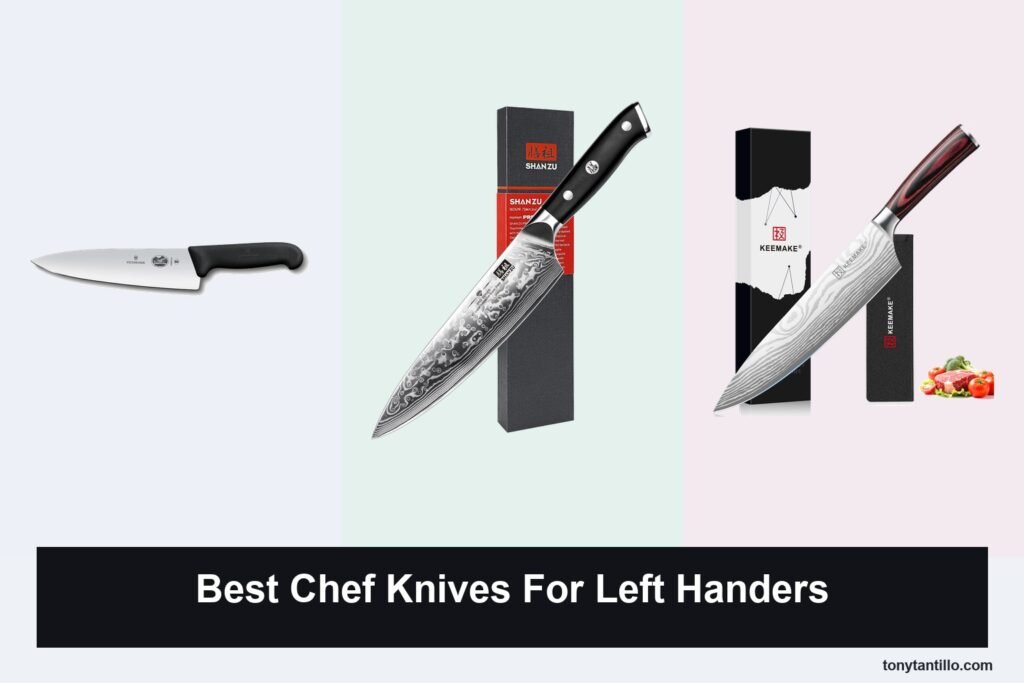
Choosing a chef knife as a left-handed cook is less about novelty and more about control. The right blade should track predictably through food, stay comfortable in a pinch grip, and avoid creating awkward wrist angles when you work through onions, herbs, proteins, and dense vegetables. The best options in this category are not necessarily sold as left-handed models, but they do reward good ambidextrous technique with a balanced feel, stable geometry, and a handle that does not force your hand into a compromised position.
This roundup focuses on knives that combine sharpness, balance, handle comfort, and practical durability. A left-handed buyer should pay attention to edge geometry, handle shape, blade weight, and how the knife is intended to be maintained. Some of these picks lean toward easy upkeep and everyday reliability. Others prioritize harder steels, more refined forging, or a more premium feel. The common thread is simple: each knife has enough verified strengths to deserve a place in a serious left-handed kitchen, but each also carries a tradeoff that matters when you choose between value, maintenance, and cutting feel.
Top Chef Knives For Left Handers on the Market

Victorinox Fibrox Pro 8-Inch Chef Knife
Best Everyday Value
- 8-inch stainless steel blade
- Non-slip TPE handle
- Dishwasher safe
- Lifetime defect warranty

SHAN ZU 8-Inch Damascus Chef Knife
Best Premium Edge
- 67-layer forged blade
- 10Cr15Mov steel core
- 15° cutting angle
- G10 glass fiber handle

KEEMAKE 8-Inch Chef Knife
Best Balanced Cutter
- 1.4116 high carbon steel
- 58±2 HRC hardness
- Pakkawood ergonomic handle
- 8°–12° edge bevel

PAUDIN 8-Inch Chef Knife
Best Budget Pick
- 8-inch high carbon steel
- 2 mm blade thickness
- Stamped construction
- Wood handle
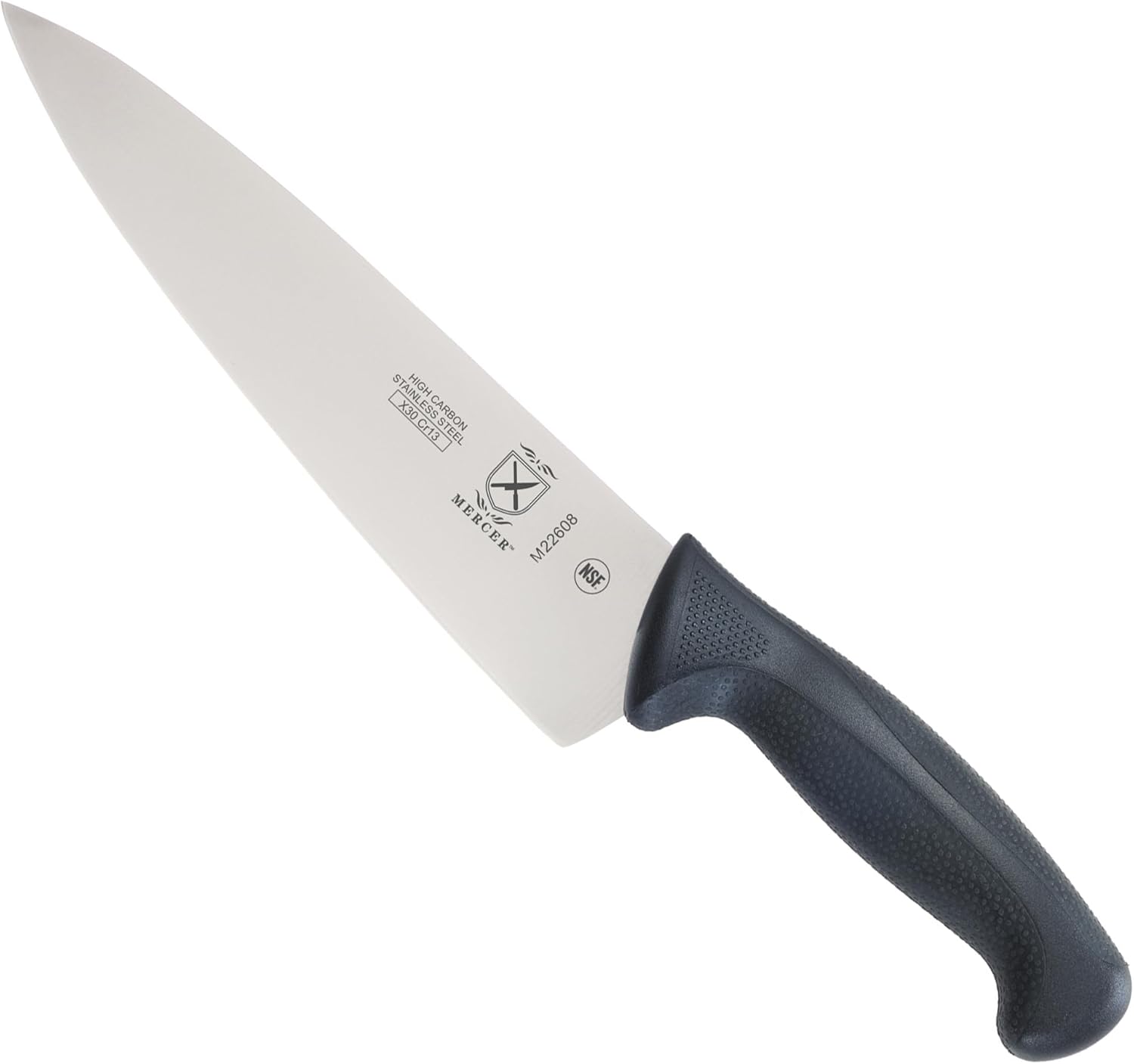
Mercer Culinary Millennia 8-Inch Chef Knife
Best Pro Workhorse
- One-piece Japanese steel
- Textured finger points
- Tang balance
- Hand wash only

Emojoy 8-Inch Damascus Chef Knife
Best Gift Option
- 67-layer Damascus blade
- 58 HRC hardness
- Olive wood handle
- Lifetime warranty
Chef Knives For Left Handers Reviews
Victorinox Fibrox Pro 8-Inch Chef Knife
ADVANTAGES
LIMITATIONS
The Victorinox Fibrox Pro is the most straightforward utility option in this group, and that is exactly why many left-handed cooks will like it. Its 8-inch stainless steel blade is a standard chef-knife length that gives enough reach for rocking cuts without feeling oversized on a small board. The TPE non-slip handle matters even more than the blade length because left-handed grip comfort is often the difference between a knife that feels trustworthy and one that feels fussy. That handle design keeps the knife secure when your hand is damp, which is a real advantage during repetitive prep.
Daily use is where this knife earns its reputation. The stamped construction keeps the profile practical rather than bulky, and the plain edge is suitable for the broad chopping, slicing, mincing, and dicing work that defines a kitchen knife. Dishwasher-safe materials add convenience, although careful hand washing still makes more sense if you want to protect the edge and handle for the long run. The stainless steel blade and ergonomic balance help the knife stay accessible for newer cooks, busy families, or anyone who wants a tool that works without a learning curve.
Against the more premium forged knives in this roundup, the Victorinox trades finesse for simplicity and value. It does not chase the heavy, highly finished feel of Damascus-style options, and that is not a weakness for every buyer. Left-handed cooks who want a dependable first chef knife, a backup for high-volume prep, or a low-stress workhorse will find the balance appealing. It is the safest recommendation when you want a practical knife that focuses on function over flash, and the lifetime defect warranty adds confidence to that choice.
SHAN ZU 8-Inch Damascus Chef Knife
ADVANTAGES
LIMITATIONS
The SHAN ZU stands out for buyers who want a sharper, more substantial cutting feel. Its 67-layer steel construction and 10Cr15Mov steel core point to a knife built for durability, edge retention, and a more refined slicing experience than a basic stamped utility knife. The 8-inch blade length keeps it in the standard chef-knife range, so it still handles the usual prep work well. For left-handed cooks, that combination is attractive because the knife’s performance comes from its geometry and steel quality rather than any specialized gimmick.
The forged build and 2.2 mm thickness suggest more rigidity through denser ingredients, and the 15-degree cutting angle is aimed at a keen edge. That should translate into cleaner work on vegetables, proteins, and fine slicing tasks. The G10 handle is another meaningful detail because it is meant to be solid and comfortable rather than decorative. At 260 g, this is a heavier knife than some of the other options here, so the upside is stability and momentum, while the tradeoff is that long prep sessions may feel more committed in hand.
Compared with the value-focused Victorinox and the lighter stamped options, the SHAN ZU is for the buyer who wants a more premium-feeling blade and accepts a bit more weight. It is not the most casual knife in the set, but it rewards deliberate cutting and a steadier hand. Left-handed cooks who appreciate a more robust, forged knife with a strong visual finish will likely value it most. If you want the highest sense of build density without moving into luxury pricing, this is one of the strongest candidates.
KEEMAKE 8-Inch Chef Knife
ADVANTAGES
LIMITATIONS
KEEMAKE aims at the cook who wants a sharp, controlled knife without jumping to the most expensive option in the field. The blade uses 1.4116 high carbon steel with 58±2 HRC hardness, which puts the emphasis on practical sharpness and edge retention rather than extreme hardness for its own sake. That matters for left-handed use because a knife that tracks cleanly and responds predictably can feel more natural than one that simply looks premium. The 8-inch blade keeps it in the familiar chef-knife format, so there is no adjustment penalty in size.
The handle is where this knife becomes particularly interesting. The Pakkawood grip uses a curved shape with a sloped bolster, and that combination is intended to support a secure pinch grip during extended prep. For a left-handed cook, that kind of handle feedback matters because the knife should settle in the hand instead of fighting it. The hand-sharpened 8° to 12° edge on each side is aggressive enough to reward careful technique, and the included sheath adds a storage benefit if you need to keep the edge protected in a drawer or travel kit.
Against the Victorinox, KEEMAKE feels more refined and more focused on cutting performance. Against the forged Damascus-style knives, it is easier to justify on price while still offering a clearly modern steel profile and a comfortable handle. It is the best fit for a buyer who wants a versatile everyday chef knife with a bit more edge character than the entry-level workhorses. Left-handed cooks who value a secure grip and a fine slicing feel will appreciate it most, especially if they want performance without stepping into the top end of the budget.
PAUDIN 8-Inch Chef Knife
ADVANTAGES
LIMITATIONS
PAUDIN is the value play in this lineup, and it makes sense for left-handed buyers who want a competent chef knife without paying for premium steel finishes. The 8-inch blade gives you the standard working length most home kitchens need, while the 2 mm blade thickness hints at a slimmer cutting profile that should move easily through vegetables and proteins. The weight is modest as well, which can make the knife feel less tiring for cooks who prefer a lighter tool over a heavier, more momentum-driven blade.
The stamped construction keeps costs down and also keeps the knife approachable for routine kitchen work. That is useful if you want a knife that can chop, slice, mince, and dice without demanding a complicated maintenance routine. The wood handle is comfortable enough on paper, and the integrated blade-and-handle design is meant to help with balance and movement. One important tradeoff is that this is not the most elaborate build in the group, so it is best viewed as a practical purchase rather than a showpiece or a steel-forward enthusiast knife.
Against the Mercer and Victorinox, PAUDIN competes mainly on affordability and light handling. It does not have the same reputation for premium utility as the better-known workhorse options, but the price leaves room for cautious first-time buyers. Left-handed cooks who want a low-commitment entry point, a secondary prep knife, or a straightforward gift knife will find the value compelling. If your priority is keeping costs down while still getting a capable 8-inch chef knife, PAUDIN is an easy one to consider first.
Mercer Culinary Millennia 8-Inch Chef Knife
ADVANTAGES
LIMITATIONS
The Mercer Culinary Millennia is built around utilitarian performance, which makes it a strong candidate for left-handed cooks who care more about grip security than ornamental details. Its one-piece high-carbon Japanese steel is aimed at easy edge maintenance and lasting sharpness, both of which matter when you want a knife that can be kept ready without much drama. The textured finger points on the Santoprene handle are also worth noting because they give the hand a more locked-in feel, and that helps when your grip changes slightly during long prep sessions.
This is one of the clearest examples in the group of a knife that values practical control over finish. The tang is described as providing excellent balance, and that balance can reduce fatigue when you are moving through onions, herbs, and produce in quantity. The downside is maintenance discipline. Mercer explicitly recommends hand washing, and the warranty excludes dishwasher use and other forms of misuse. That means this knife is best for buyers who are willing to treat their kitchen tools with a little more care in exchange for dependable performance.
Compared with the lighter budget knives, the Mercer feels like a more serious tool. Compared with the premium forged and Damascus-style options, it is less about visual drama and more about repeatable function. Left-handed cooks who want a secure-feeling handle and a knife that behaves like a working implement rather than a display piece should pay close attention here. It is the most disciplined choice in the roundup for someone who wants professional-style practicality and accepts the need for hand care.
Emojoy 8-Inch Damascus Chef Knife
ADVANTAGES
LIMITATIONS
Emojoy targets the buyer who wants a more decorative, gift-ready chef knife without losing the appeal of a serious blade. Its 67-layer Damascus blade and 58 HRC hardness suggest a knife designed for a mix of sharpness, durability, and visual character. The olive wood handle gives it a warmer, more natural feel than the synthetic-grip knives in this list, which may appeal to left-handed cooks who want a hand-filling handle that feels a little more traditional during prep. The wooden box presentation also reinforces the gift angle.
The blade is hand-forged, and the 15-degree edge angle is aimed at an easy cutting angle for vegetables, fish, and meat. That is the kind of geometry that can feel pleasant in a left hand if the grip is comfortable, because the knife is intended to glide rather than force pressure. The half-bolster design is another useful detail. It can make the knife easier to hold in a pinch grip while also giving the user a cleaner path for sharpening and edge maintenance over time. Those are practical benefits, not just cosmetic ones.
Against the SHAN ZU, the Emojoy looks more like a presentation knife with a natural-handle aesthetic. Against the Mercer and PAUDIN, it offers a more premium visual identity and a stronger gifting appeal. Left-handed cooks who care about how the knife feels in hand and how it presents as a gift will find the balance compelling. It is not the most utilitarian choice in the roundup, but it is the one I would point to when a buyer wants performance plus a more elevated look and a lifetime warranty.
How to Choose a Left-handed Chef Knife
Left-handed cooks do not need a radically different chef knife in every case, but they do need one that feels honest in the hand. The best selection usually comes down to grip security, blade balance, edge sharpness, and how much maintenance you are willing to accept. A knife that is technically excellent but awkward in your grip will slow you down. A simpler knife with a predictable feel can be the better buy if it lets you cut confidently every day.
Grip Security
A chef knife should settle naturally into your hand during a pinch grip. For left-handed users, the handle shape and surface texture matter because they influence how firmly you can control the blade when your fingers are wet or your prep pace picks up. A grip that feels secure reduces strain and helps keep cuts consistent through onions, herbs, squash, and proteins. The goal is not a flashy handle. The goal is a handle that does not make you think about it while you work.
Blade Weight
Weight changes how a knife moves. A lighter knife is easier to maneuver during detailed prep and can feel less tiring over a long session. A heavier knife adds momentum and can feel steadier through denser vegetables or larger cuts of meat. Left-handed cooks should pay attention to whether a blade seems balanced or blade-heavy, because that affects wrist comfort and cutting confidence. There is no universal best answer here. The right choice is the one that matches how you naturally guide the knife.
Edge Geometry
Edge angle influences both sharpness and maintenance. A finer edge usually cuts with less resistance, which is appealing for delicate vegetables, herbs, and clean slices of meat. More robust steel and a slightly thicker edge can hold up better to harder use, though it may feel a little less effortless on initial contact. As a buyer, you should think about how often you sharpen and how much edge retention you expect. If you want easy, frequent touch-ups, a more approachable edge can be smart. If you want a longer gap between sharpenings, look for harder steel and a more refined grind.
Maintenance Demands
Care requirements should match your habits. Some chef knives are comfortable with quick cleanup and routine upkeep, while others explicitly need hand washing and a more careful drying routine. That difference matters because a knife that is not maintained as intended can lose performance quickly. If your kitchen routine is busy or you share cleanup duties, convenience may matter more than a slightly fancier finish. If you enjoy keeping blades in top condition, a more demanding knife can reward that attention with better long-term cutting feel.
Handle Material
Handle material affects comfort, moisture resistance, and how the knife ages. Synthetic handles can be easy to clean and often provide a more secure grip in wet conditions. Wood and pakkawood can feel warmer and more traditional, but they usually ask for a bit more care. Left-handed cooks should think about what kind of feedback they prefer under the fingers. A handle that feels trustworthy in a dry store test can behave differently once you are actually moving through a full prep workload.
Value Versus Finish
The most expensive knife is not automatically the smartest choice. In this category, value comes from matching build quality, balance, and comfort to your actual kitchen habits. A simpler workhorse can be a better purchase than a premium-looking blade if it is easier to control and maintain. At the same time, a more refined forged knife may be worth it if you cook often and want a noticeably better cutting feel. The right answer is the one that makes your left-handed technique feel easier, not the one that merely looks impressive on the counter.
Chef Knife Comparison Table
| Product | Best For | Blade Length | Blade Steel | Handle Material | Construction | Weight |
|---|---|---|---|---|---|---|
| Victorinox Fibrox Pro 8-Inch Chef Knife | Best Everyday Value | 8 inches | Stainless Steel | Fibrox or Pro | Stamped | 22.68 g |
| SHAN ZU 8-Inch Damascus Chef Knife | Best Premium Edge | 8 inches | Alloy Steel | G10 Glass Fiber Handle | Forged | 260 g |
| KEEMAKE 8-Inch Chef Knife | Best Balanced Cutter | 8 inches | High Carbon Stainless Steel | Pakkawood | Forged | 8.48 ounces |
| PAUDIN 8-Inch Chef Knife | Best Budget Pick | 8 inches | High Carbon Stainless Steel | Wood | Stamped | 6.88 ounces |
| Mercer Culinary Millennia 8-Inch Chef Knife | Best Pro Workhorse | 8 inches | High Carbon Steel | Santoprene | Stamped | 6.7 ounces |
| Emojoy 8-Inch Damascus Chef Knife | Best Gift Option | Not Specified | Not Specified | Olive Wood | Forged | Not Specified |
How We Tested & Analyzed Chef Knives for Left Handers
This roundup focuses on left-handed usability as a practical problem rather than a marketing label. The analysis weighs handle security, balance, blade length, edge geometry, construction type, and care requirements because those are the features that most directly affect real kitchen control. A knife that works well for a left-handed grip should feel steady during a pinch hold, track cleanly through food, and avoid creating unnecessary fatigue during repetitive prep. Those factors carry more weight here than cosmetic finish or vague claims of sharpness.
The comparison also separates everyday utility from premium feel. Some chef knives are better suited to low-maintenance use, while others justify themselves with forged construction, harder steels, or more refined handle materials. That distinction matters because left-handed buyers often need a knife that is not just sharp, but predictably sharp and comfortable across long sessions. Where maintenance guidance was explicit, it was treated as a meaningful part of ownership rather than an afterthought. Tradeoffs were judged by how they would affect routine prep, not by appearance alone.
Limitations matter in this category. No chef knife should be assumed to solve all left-handed issues on its own, and not every well-made blade will suit every grip style. The analysis therefore favors grounded differences that a buyer can actually feel or manage: weight, balance, handle texture, blade thickness, care instructions, and warranty terms. When a knife required more upkeep or was clearly more style-driven than utilitarian, that was treated as part of the decision rather than a flaw to ignore.
Frequently Asked Questions
Do left-handed cooks need a special chef knife?
Usually not. Most chef knives are usable in either hand, but left-handed buyers should pay close attention to handle shape, balance, and edge feel. A comfortable grip and predictable blade control matter more than a left-specific label in many kitchens.
What blade length works best for most people?
An 8-inch chef knife is the most versatile starting point for many cooks. It gives enough blade length for rocking cuts, slicing, and chopping without becoming awkward on a small board. If your kitchen space is tight or your hands are small, a shorter knife may feel easier to manage.
Which handle material is easiest to live with?
Synthetic handles are usually the lowest-fuss option because they tend to offer dependable grip and simpler cleaning. Wood and pakkawood can feel more traditional and comfortable, but they often ask for a little more care. The best choice depends on how much maintenance you are willing to do.
How often should a chef knife be sharpened?
That depends on steel type, edge angle, and how heavily you use it. A knife that is used daily will need touch-ups sooner than a weekend-only blade. The right habit is to maintain the edge before it becomes dull enough to force pressure, because that is when control and safety start to suffer.
Final Thoughts
The best left-handed chef knife is the one that feels stable, secure, and easy to trust through real prep work. For some buyers, that will mean a straightforward synthetic-handled workhorse. For others, it will mean a more refined forged blade or a premium-feeling Damascus option. The right answer depends on whether you value effortless maintenance, a more substantial cutting feel, or a handle that gives you confidence during fast, repetitive tasks.
Whichever direction you choose, focus on the details that change how the knife behaves in your hand. Blade length, grip texture, balance, and care requirements matter more than decorative styling. If you choose with those priorities in mind, you will end up with a chef knife that supports your left-handed technique instead of getting in its way, and that is what makes the purchase worthwhile.