
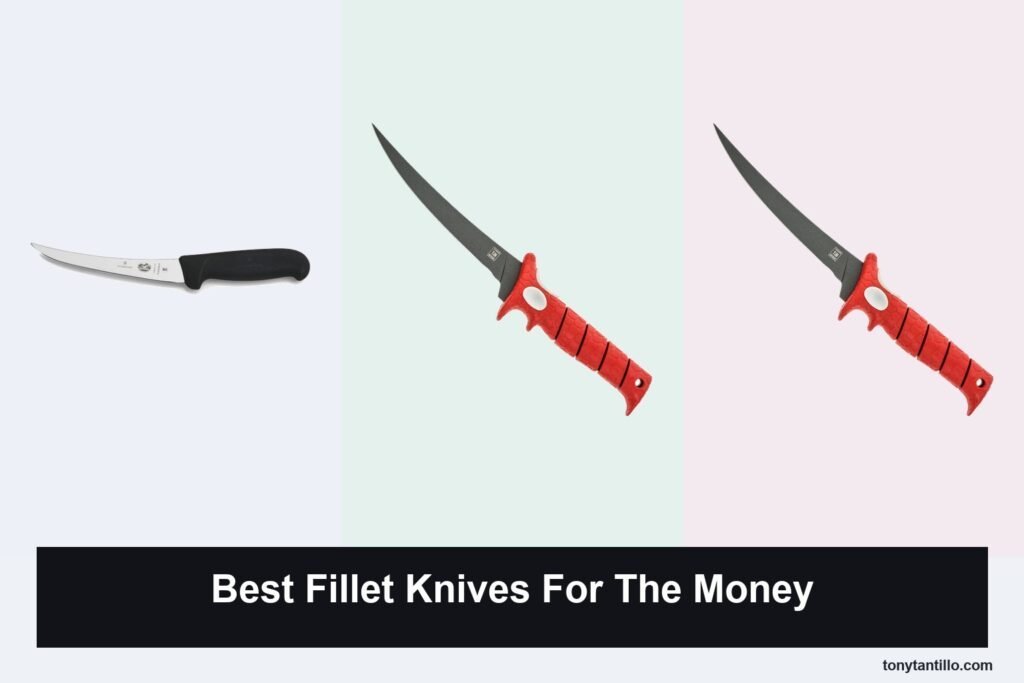
A good fillet knife earns its keep by doing one thing exceptionally well. It has to track close to bone, stay controllable when the cut gets delicate, and feel secure when hands, fish, or prep surfaces are wet. That combination is why the best value in this category is not always the cheapest knife. The strongest picks balance blade flexibility, handle security, corrosion resistance, and enough edge quality to reduce waste without forcing constant correction.
The six knives here cover that value spectrum from budget-friendly Swiss-made utility to higher-priced fishing-focused tools with longer blades, specialized grips, and more aggressive geometry. The right choice depends on whether you want a compact kitchen blade for finesse work, a longer fillet knife for larger fish, or a more rugged outdoor option built around grip and blade control. The best money choice is the one that matches your cutting style, maintenance habits, and typical catch or kitchen workload.
Top Fillet Knives For The Money on the Market

Victorinox Fibrox 6-In Curved Fillet Knife
Best Budget Pick
- 6-inch curved blade
- Flexible stainless steel
- Slip-resistant Fibrox handle
- NSF approved
- Swiss made

BUBBA 9-In Tapered Flex Fillet Knife
Best Long-Blade Choice
- 9-inch flexible blade
- 15-inch overall length
- Non-slip grip handle
- Full tang construction
- Synthetic sheath included

Bubba 7-In Tapered Flex Knife
Best Mid-Size Option
- 7-inch blade length
- V-grind edge
- Sheath included
- Ambidextrous grip
- Hand wash only
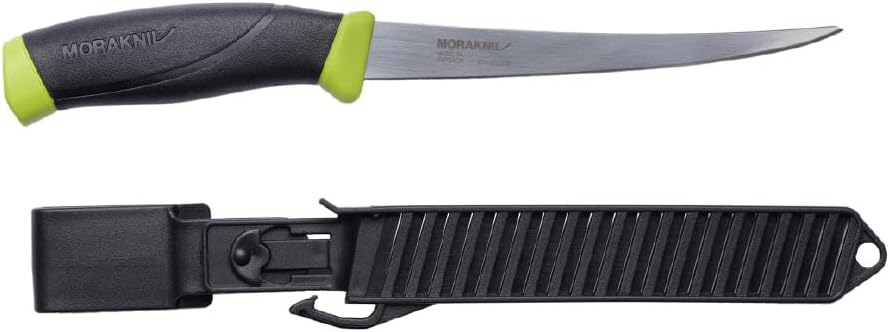
Morakniv Fishing Comfort Fillet Knife
Best Wet-Weather Grip
- 6.1-inch Sandvik blade
- Soft friction grip
- Protective polymer sheath
- Detachable belt clip
- 3.5-ounce weight

Victorinox Fibrox 8-In Fillet Knife
Best Kitchen Fillet Knife
- 8-inch flexible blade
- Stamped stainless steel
- Non-slip Fibrox handle
- 3.2-ounce weight
- Professional filleting tool

HOSHANHO 7-In Japanese Fillet Knife
Best Premium Edge
- 7-inch high-carbon steel
- 15-degree hand polished edge
- Pakkawood handle
- Forged construction
- Lightweight 300 g
Fillet Knives For The Money Reviews
Victorinox Fibrox 6-In Curved Fillet Knife
ADVANTAGES
LIMITATIONS
This is the most affordable knife in the group, yet it still brings the traits that matter for precise trimming. The 6-inch curved blade gives you a short, controlled working length for fish and other delicate cuts, while the flexible stainless steel helps the edge stay in contact with the contour instead of forcing the wrist to overcompensate. That matters when you want a value tool that still behaves like a proper filleting knife rather than a generic kitchen blade.
The handle is one of the main reasons this model stays competitive. The textured Fibrox grip is designed to stay secure when conditions get slick, and the thermoplastic rubber construction keeps the knife light at 3.2 ounces. That combination reduces fatigue during repetitive work and makes the knife easier to steer in tight spaces. NSF approval also signals a more professional sanitation profile, which is useful for anyone who wants a utility knife that fits both home prep and more serious kitchen routines.
Against the longer and more specialized fishing knives in this roundup, this Victorinox is the simplest, easiest value proposition. It does not try to be a heavy-duty outdoor tool, and it does not need to. The case for it is precision, comfort, and a price that leaves room in the budget for sharpening gear or a second blade later. If you want the best money-per-performance balance for kitchen filleting and light boning work, this is the safest recommendation in the set.
BUBBA 9-In Tapered Flex Fillet Knife
ADVANTAGES
LIMITATIONS
This is the longest blade in the roundup, and that length changes how it feels on larger fish. The 9-inch blade gives you more reach through a single pass, which can matter when you want cleaner fillets with fewer stops and fewer direction changes. The trailing-point geometry and flexible profile are aimed at detailed fish work, and the non-stick coating helps the blade move more freely through meat and skin. That makes this a strong match for buyers who value smooth filleting over compact handling.
The handle and guard setup push it further into fishing-specific territory. The non-slip grip includes a trigger-style control point, and the safety guards add protection from both the blade and fish spines. At 15 inches overall and 5.92 ounces, it is longer than a kitchen-style fillet knife but not overly heavy for its size. The tradeoff is that this knife wants open workspace and deliberate handling. It is not the easiest choice for small boards or tight prep corners, but it is more reassuring when the cut itself demands confidence and reach.
Compared with the shorter BUBBA model and the kitchen-oriented Victorinox knives, this one is the better fit when filleting size matters more than compactness. It is the most specialized of the six for fish-first use, and the included sheath supports storage and transport. The price is higher than the basic value option, but the longer blade, guard protection, and fishing-first design justify it for anglers who process larger catches or want a more purpose-built tool. This is the best pick when blade length is the deciding factor.
Bubba 7-In Tapered Flex Knife
ADVANTAGES
LIMITATIONS
The 7-inch Bubba sits in the middle of the lineup and that is exactly where many fillet-knife buyers need to be. The 7-inch blade gives enough reach for moderate-size fish without pushing the knife into the longer, more specialized handling demands of a 9-inch tool. The V-grind edge is a practical addition because it supports controlled slicing rather than rough sawing, and the straight-edge blade type keeps the cut predictable for users who prefer a more direct feel through the meat.
At 9.6 ounces, it is the heaviest knife in this group, which has consequences in use. The extra mass can add a planted feel through the cut, but it also means you will notice the knife more during long sessions. The non-slip grip and safety guards help offset that by improving control and adding protection around spines and the blade. The included sheath is useful for transport and storage, especially if this knife lives in a tackle bag or boat kit instead of a kitchen drawer.
Against the 9-inch Bubba, this model gives up reach but becomes more manageable. Against the Victorinox options, it is more fishing-focused and more guarded, but it is also less versatile for all-around kitchen prep. That puts it squarely in the middle as the value choice for anglers who want a dedicated fillet knife without stepping up to the longest blade or the highest price. It is the right recommendation for buyers who want a balanced fishing knife that does not overcommit to size.
Morakniv Fishing Comfort Fillet Knife
ADVANTAGES
LIMITATIONS
This Morakniv stands out because its value is tied to control in difficult conditions rather than sheer blade length. The Sandvik 12C27 stainless steel blade is paired with a 6.1-inch length, which keeps the knife nimble while giving it the corrosion resistance and toughness that matter around fish, moisture, and frequent cleaning. That makes it a smart choice for buyers who work near water and want a blade that feels purpose-built for a wet environment.
The handle design is where the knife earns its name. The ergonomic polymer body uses a soft friction grip and a finger guard, and that combination matters when weather, gloves, or slippery hands complicate the cut. At 3.5 ounces, it stays very light, which helps reduce strain during longer sessions. The easy-to-clean sheath adds real utility too. A detachable belt clip and belt loop make it convenient to keep the knife accessible on a belt or rucksack rather than buried in a case or box.
Relative to the Victorinox options, this Morakniv is a little more outdoor-minded and a bit more protective in wet conditions. It does not have the longer reach of the BUBBA 9-inch knife, but it is easier to carry and less imposing in hand. The one-year warranty is shorter than Victorinox’s lifetime coverage, so the long-term ownership math is less generous. Even so, for anglers and outdoor users who care most about grip, portability, and corrosion resistance, this is one of the strongest practical values here.
Victorinox Fibrox 8-In Fillet Knife
ADVANTAGES
LIMITATIONS
This Victorinox is the most kitchen-oriented fillet knife in the lineup because it pairs reach with a familiar, controlled feel. The 8-inch flexible blade gives more working length than the 6-inch Victorinox and the Morakniv, which can make a difference when you are portioning larger fillets or smoothing longer cuts. The straight edge also keeps the motion clean and readable, which many cooks prefer when they want a predictable path rather than a more specialized fish-first shape.
The stamped stainless steel construction and thermoplastic rubber handle keep the knife light at 3.2 ounces. That matters because a fillet knife should disappear in the hand enough to let the blade do the work. The non-slip Fibrox grip is especially relevant in kitchen settings where wet hands and slippery fish are part of the job. The 15-inch overall length reflects the 8-inch blade, so you get reach without jumping into the oversized territory of the longest fishing knives.
Compared with the 6-inch Victorinox, this model gives you more length and a little more confidence on larger fish or longer boneless cuts. Compared with the BUBBA models, it is less specialized for outdoor fishing but easier to live with as an everyday kitchen tool. That makes it the best fit for buyers who want one fillet knife that can cover a wider range of kitchen tasks without moving into a bulky, overbuilt design. It is the most balanced all-around kitchen recommendation in the group.
HOSHANHO 7-In Japanese Fillet Knife
ADVANTAGES
LIMITATIONS
This HOSHANHO is the sharpest-feeling value proposition in the set on paper, and the blade specification is the reason. The 10Cr15CoMoV steel blade is paired with a hand-polished 15-degree edge, which points toward a very keen cutting angle for fine slicing and clean separation. That matters if you want a knife that can handle fish, trimming, and boning tasks with a more refined bite than the softer utility-style options. The 7-inch blade length keeps it versatile without making it unwieldy.
The pakkawood handle adds a different kind of appeal. It gives the knife a more traditional premium feel, and the ergonomic shape is aimed at reducing fatigue during longer prep work. At 300 g, the knife has enough substance to feel substantial without becoming excessive for a fillet task. The forged construction also distinguishes it from the stamped blades in the roundup, which may matter to buyers who prefer a more rigid, substantial knife body for controlled work.
Against the Victorinox knives, this HOSHANHO leans harder into edge quality and premium materials. Against the BUBBA fishing knives, it is less specialized for wet, rough outdoor use but more kitchen-friendly and more refined in hand. It costs more than the best budget option, and it asks a little more care from the owner, but it rewards that with a more upscale build and a sharper cutting profile. It is the right recommendation for buyers who want the most premium-feeling fillet knife here without jumping to a much more expensive specialty blade.
How to Choose a Fillet Knife
Buying a fillet knife is really a decision about control. The best blade for the money is the one that matches the size of the fish you usually clean, the kind of grip you need when things get slick, and how much maintenance you are willing to do. A short, light knife can be more useful than a longer one if your work is delicate. A more specialized fishing knife can be worth paying for if you process larger catches or need better security around spines, moisture, and transport.
Blade Length
Length changes both reach and precision. Shorter blades are easier to steer around bones and tighter curves, which is why they often feel more forgiving for small fish or kitchen trimming. Longer blades cover more surface in a single pass and can reduce the number of strokes needed on larger fillets. That said, extra length can become a drawback on cramped boards or in boats where you do not have much room to work. Match the blade to the fish you clean most often, not the largest fish you hope to catch someday.
Flexibility and Edge
A fillet knife should bend just enough to follow the contour of the fish without feeling flimsy. More flex helps the blade hug bone and skin, which can reduce waste and improve the shape of the finished fillet. A stiffer blade can feel more confident for trimming or boning tasks, but it may require more hand correction on delicate work. Edge geometry matters too. Straight edges tend to feel more predictable, while specialized grinds can change how smoothly the knife enters and exits the cut.
Grip and Safety
Handle security matters as much as blade quality because filleting usually happens in wet or slippery conditions. Textured, non-slip handles reduce the chance of overgripping and help you keep control when gloves, fish slime, or rinsing water enter the picture. Finger guards and blade guards add another layer of confidence when the knife is moving quickly or when you are storing it after use. If you process fish near a dock, in a boat, or outdoors, prioritize a handle that stays secure with less effort.
Material and Corrosion
Steel choice affects how the knife behaves over time. Stainless steel is usually the safer general-purpose path because it resists corrosion and is easier to live with after repeated exposure to water. Higher-carbon steels can offer a sharper or more refined edge, but they typically ask more from the owner in cleaning and storage. In a fillet knife, corrosion resistance is not a luxury. It is part of the tool’s value because these knives are used around moisture, salt, and frequent washing.
Weight and Balance
A lighter knife often feels faster and less tiring, especially when you are making many precise cuts. That does not automatically make it better. Some buyers prefer a bit more weight because it can give the knife a steadier feel through the cut. Balance matters more than raw mass. A knife that feels tip-heavy or handle-heavy can make delicate work harder than the specifications suggest. When possible, look for a weight and layout that match the way you naturally control a blade.
Storage and Care
A sheath is more than a bonus accessory when the knife lives outside a kitchen drawer. It protects the edge, keeps transport safer, and makes it easier to carry the knife in a tackle bag or vehicle kit. Care requirements matter too. Hand-wash-only blades are not difficult to maintain, but they do demand more attention than knives that can be cleaned more casually. If you want the best value over time, choose a knife you can actually keep clean, sharp, and safely stored after each trip or prep session.
Fillet Knife Comparison Table
| Product | Best For | Blade Length | Weight | Handle | Construction | Blade Edge |
|---|---|---|---|---|---|---|
| Victorinox Fibrox 6-In Curved Fillet Knife | Best Budget Pick | 6 inches | 3.2 ounces | Thermoplastic Rubber | Stamped | Plain |
| BUBBA 9-In Tapered Flex Fillet Knife | Best Long-Blade Choice | Not Specified | 5.92 ounces | Stainless Steel | Not Specified | Flat |
| Bubba 7-In Tapered Flex Knife | Best Mid-Size Option | Not Specified | 9.6 ounces | Stainless Steel | Not Specified | V-Grind |
| Morakniv Fishing Comfort Fillet Knife | Best Wet-Weather Grip | 6.1 inches | 3.5 ounces | Stainless,Stainless Steel,Plastic,Steel | Forged | Plain |
| Victorinox Fibrox 8-In Fillet Knife | Best Kitchen Fillet Knife | 8 inches | 3.2 ounces | Thermoplastic Rubber | Stamped | Plain |
| HOSHANHO 7-In Japanese Fillet Knife | Best Premium Edge | 7 inches | 300 g | Pakkawood | Forged | Plain |
How We Tested & Analyzed Fillet Knives for the Money
This roundup focused on the factors that determine real fillet-knife value in use. Blade length, flexibility, handle security, material choice, weight, and included storage all matter because they shape how the knife behaves on fish, around bones, and in wet environments. Price was considered as part of the value equation, but only in relation to the performance and handling traits each knife clearly supports. The goal was to compare practical usefulness, not to reward the lowest sticker price or the longest feature list.
Each product was evaluated by weighing the strongest verified evidence against the needs of different buyers. A light kitchen-friendly knife is not automatically inferior to a heavier fishing knife if the use case is precision at a cutting board. Likewise, a premium steel or a longer blade can be a genuine advantage when it changes cut quality, control, or durability in a meaningful way. When a knife included a sheath, guard, or formal warranty, those details were treated as ownership advantages only when they affected storage, safety, or long-term confidence.
Limits in the available information were handled conservatively. If a specification or performance detail was not clearly supported, it was left out rather than inferred. That approach keeps the recommendations grounded and makes the differences between knives easier to trust. The resulting guidance is meant to help a buyer choose the right tool for typical filleting work, not to promise universal performance across every fish species, environment, or sharpening preference.
Frequently Asked Questions
What blade length is best for filleting fish?
Most buyers do best with a length that matches the fish they clean most often. Shorter blades are easier to control on small or medium fish. Longer blades help on larger fillets because they cover more area in each pass. If you fish a mix of sizes, a mid-length blade is usually the safest all-around choice.
Does a flexible blade matter?
Yes. Flex helps the blade follow the shape of the fish and stay close to bone, which can reduce wasted meat. It is especially useful for delicate filleting work. Too little flex can make the blade feel stiff in curves, while too much flex can reduce confidence on harder trimming tasks. The right amount depends on your typical cuts.
Are fishing fillet knives different from kitchen fillet knives?
They often are. Fishing-focused knives usually emphasize grip security, guards, sheaths, and corrosion resistance for wet environments. Kitchen-oriented fillet knives often focus more on comfort, control, and versatility for prep on a cutting board. Either can work well, but the better choice depends on where and how you use it most often.
How important is handle texture?
Very important. Filleting often happens with wet hands, slippery fish, or oily surfaces, so a secure handle can matter as much as blade sharpness. Texture reduces the chance of the knife shifting in your grip and helps you stay accurate through fine cuts. If safety and control are priorities, handle design should be near the top of your list.
Final Thoughts
The best fillet knife for the money is not the one with the most aggressive marketing. It is the one that stays controllable, resists the conditions you work in, and fits the size of fish you actually process. That is why the strongest value choices in this group split into clear roles. Some lean toward compact kitchen precision. Others emphasize grip, guards, or longer reach for fishing use. The right answer depends on whether you are filleting at a counter, on a dock, or somewhere in between.
If you want the simplest value play, start with the knife that matches your most common cuts and your comfort with maintenance. A budget-friendly stainless blade can be the smartest buy if it is easy to control and easy to keep clean. A more specialized fishing knife is worth paying for when reach, safety, and wet-hand grip change the quality of the job. Choose for the conditions you face most often, and you will get far more from the money you spend.