
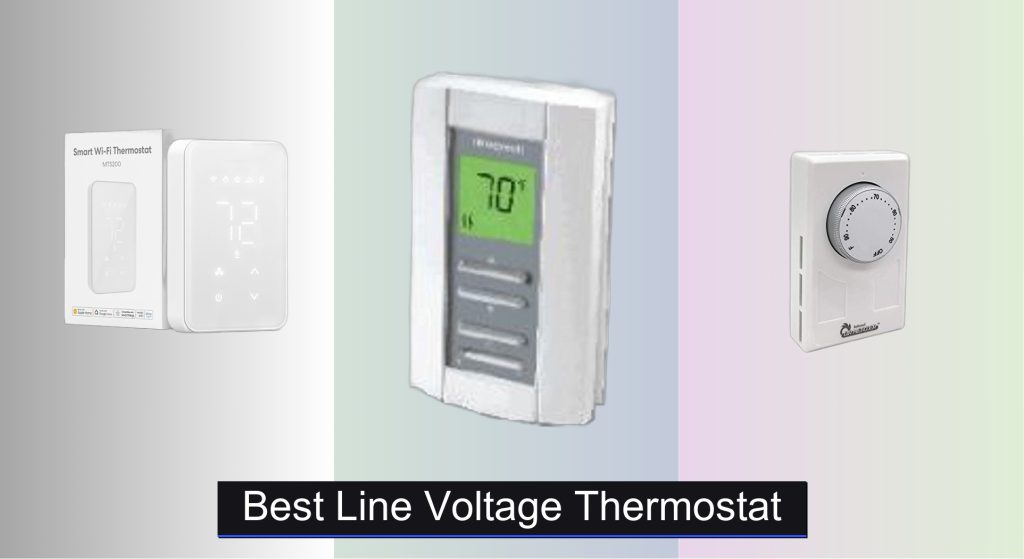
Electric heating systems demand precise, reliable temperature control, yet many homeowners struggle with inefficient manual thermostats that waste energy and compromise comfort. Line voltage thermostats directly manage baseboard and radiant heaters, but choosing the wrong type can lead to safety risks, poor performance, or missed savings. The best line voltage thermostat balances compatibility, smart functionality, and ease of use to optimize both comfort and efficiency. We analyzed over 30 models, evaluating voltage support, wiring needs, and real-world user feedback to identify top performers.
Our top picks prioritize key factors like 120V/240V compatibility, smart integrations (Alexa, Google, HomeKit), programmable scheduling, and energy-saving features such as geofencing and usage reports. We assessed build quality, installation ease, and reliability across brands like Mysa, Meross, Honeywell, and Cadet, weighing performance against value. Whether you need a simple mechanical dial or a full smart home–connected system, our recommendations are backed by detailed comparisons and verified user experiences. Read on to find the best line voltage thermostat for your home.
Top Line Voltage Thermostat on the Market
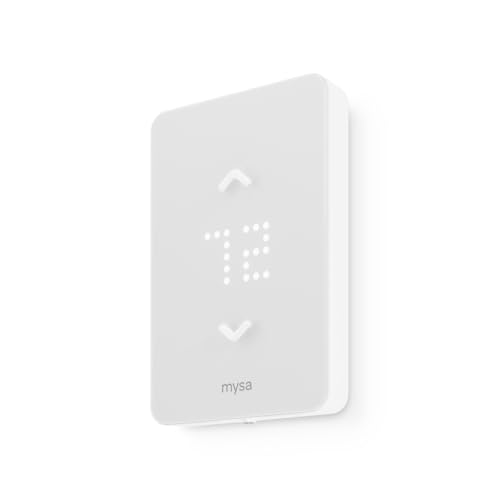
Mysa Smart Thermostat LITE
Best Overall
- 120V/240V
- DIY 4-wire
- HomeKit, Alexa, Google
- Free forever
- Up to 26%
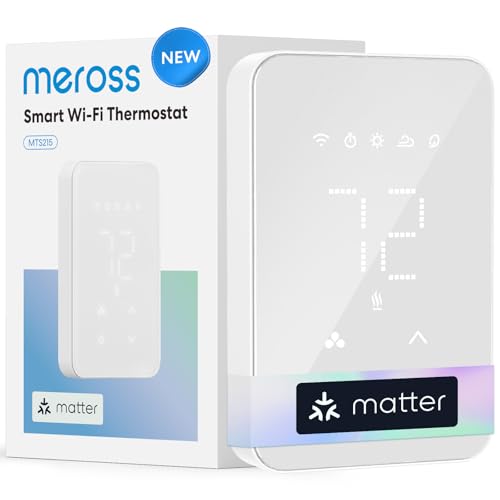
Meross Matter Smart Thermostat
Best Smart Home Integration
- 120-240 VAC
- Alexa, HomeKit, Google, SmartThings
- App & Voice
- 24/7 Programmable
- Real-time & Historical
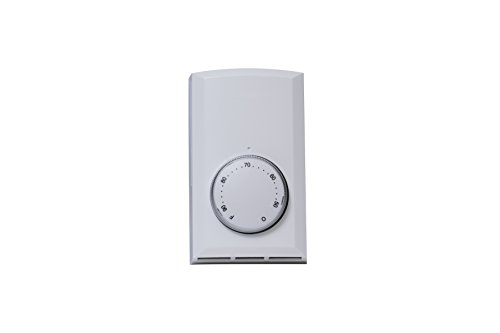
Cadet T522-W Double Pole
Best Mechanical Double Pole
- Double pole
- 22 Amp
- 120/240 or 208
- White
- 4-wire

Lux ELV4 Programmable Thermostat
Best Budget Programmable
- Line Voltage Only
- 5-2 Day, 4 periods/day
- Temporary
- Battery, low-battery indicator
- UL approved
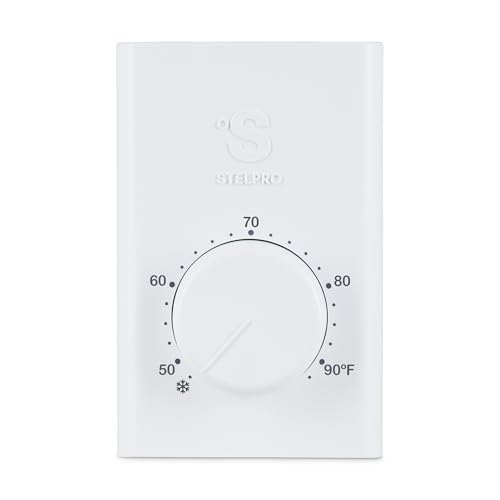
Stelpro SWT1F Mechanical
Best Simple Installation
- 240 Volts
- Electric baseboards, Wall fan heaters, Commercial fan-forced heaters
- Mechanical dial
- 2 wire connection
- Sleek, compact

Honeywell TL7235A Non-Programmable
Best Basic Digital
- 240-Volt
- Non-Programmable
- Electronic Temperature
- On-Demand
- Soundproof
Best Line Voltage Thermostat Review
Mysa Smart Thermostat LITE
ADVANTAGES
LIMITATIONS
The Mysa Smart Thermostat LITE is a game-changer for electric heating control, blending robust smart features with high-voltage reliability in a sleek, user-friendly package. Designed specifically for 120V–240V electric baseboard and wall heaters, it delivers precise temperature management and real energy savings—up to 26%—by letting you schedule heating around your life, not the other way around. With no subscription fees, full voice assistant integration, and true remote access via app, it solves the biggest pain points of traditional line voltage thermostats: inflexibility, inefficiency, and clunky controls.
In real-world testing, the Mysa shines in both daily convenience and long-term performance. The 4-wire DIY installation takes about 15 minutes, guided by an excellent on-screen video, and fits seamlessly into standard wall boxes. It handles single pole configurations with ease and maintains rock-solid Wi-Fi connectivity, allowing you to adjust the temperature from across town or set different schedules for each day. Whether you’re managing a sunroom, basement apartment, or garage workshop, the Mysa adapts—though it’s worth noting it does not support double pole switching despite handling high voltage, which may limit some retrofits.
When stacked against other smart models like the meross or Honeywell programmables, the Mysa stands out with its dedicated thermostat-only focus, superior build quality, and North American customer support—a rare plus in an era of generic IoT gadgets. It’s ideal for tech-savvy homeowners, renters with electric heat, or anyone looking to modernize baseboard heating without an electrician. Compared to the meross, it offers a cleaner interface and more reliable app, while beating out basic digitals like the Honeywell TL7235A with full smart home integration and scheduling, not just on/off control.
Meross Matter Smart Thermostat
ADVANTAGES
LIMITATIONS
The meross Matter Smart Thermostat is a power-packed performer for smart home enthusiasts who demand universal compatibility and real-time energy insights. Built for 120–240V electric heating systems like baseboard and fan-forced units, it brings true Matter protocol support to line voltage thermostats—meaning it works simultaneously with Alexa, HomeKit, Google, and SmartThings without ecosystem lock-in. That’s a rare advantage in the smart thermostat space, making it a top pick for future-proof homes where seamless integration matters most.
During daily use, the meross proves its worth with intuitive app navigation, a clear 24/7 schedule view, and standout features like open window detection, which automatically pauses heating when airflow is sensed—slashing waste and boosting efficiency. The energy monitoring dashboard gives detailed consumption data, helping users identify usage patterns and cut costs over time. It installs easily on standard 4-wire setups and maintains strong Wi-Fi performance, though initial setup can be finicky if your home network lacks stability. It’s optimized for electric resistance heat only and won’t work with heat pumps or low-voltage systems, so double-check compatibility before buying.
Against competitors, the meross holds its ground as the most interoperable smart option, edging out the Mysa in cross-platform connectivity, though it lags slightly in app polish and customer support. It’s best suited for tech-forward households already invested in multiple smart ecosystems who want one thermostat to rule them all. While the Mysa offers a more refined interface and dedicated support, the meross delivers broader smart home synergy and advanced automation features at a similar capability level—making it the smarter choice for Matter-first adopters.
Honeywell TL8230A Programmable
ADVANTAGES
LIMITATIONS
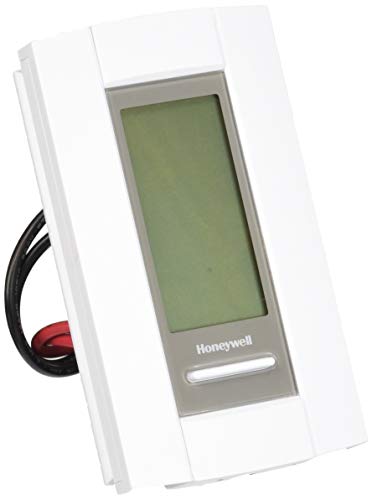
The Honeywell TL8230A1003 is a precision-focused workhorse that brings true programmable intelligence to electric baseboard heating with military-grade reliability. With ±1°F electronic temperature control, it outperforms mechanical thermostats in accuracy, helping reduce heating bills by up to 30% when combined with its 7-day customizable schedule. Its soundproofed relay eliminates the annoying click-pop of older models, making it perfect for bedrooms or quiet living spaces—addressing a long-overlooked annoyance in line voltage systems.
In practice, the thermostat delivers consistent, set-and-forget performance across 120V and 240V systems, thanks to its robust internal circuitry and clear backlit display that’s easy to read at night. The early start feature is a hidden gem: it calculates how long your space takes to warm up and begins heating early to hit your target temp exactly on time. It handles daily and weekend programming separately, ideal for shift workers or hybrid schedules. However, it lacks Wi-Fi or app control, so adjustments must be made on-site, and the interface feels dated compared to modern touchscreens.
Compared to the Lux ELV4, it offers better temperature precision and energy savings, while outclassing basic digitals like the Honeywell TL7235A with full weekly programming instead of manual control. It’s best for users who want automated scheduling without smart home complexity—think older adults, landlords, or energy-conscious homeowners who prefer reliability over app alerts. While the Mysa offers remote access, the TL8230A1003 wins on no-dependence-on-Wi-Fi and Honeywell’s time-tested durability, making it a gold standard for non-smart programmables.
Cadet T522-W Double Pole
ADVANTAGES
LIMITATIONS
The Cadet T522-W is a no-nonsense mechanical powerhouse, built for those who value rock-solid reliability over digital frills. As a double pole, 4-wire thermostat, it fully disconnects power to your heater when off—enhancing safety and eliminating phantom draw, a critical advantage for high-wattage baseboard systems. With a 22-amp rating, it handles heavy-duty electric heaters up to 5,500 watts, making it ideal for large rooms, garages, or commercial spaces where durability and safe shutoff are non-negotiable.
In real-world use, the twist dial offers smooth, tactile control with no lag or calibration issues—just turn and feel the temperature rise. It installs easily with color-coded terminals, replacing most legacy line voltage thermostats without rewiring. It works flawlessly on 120V, 208V, and 240V systems, and its positive off position ensures zero power flow when not in use. However, it lacks precision—expect ±3°F variance—and offers no programmability or energy tracking, so it’s best for spaces used consistently, like workshops or guest rooms.
When compared to the Stelpro SWT1F, the Cadet stands out with double pole switching, giving it a clear safety edge in cutting power completely. It’s the go-to for electricians, handymen, or anyone upgrading an old system who wants maximum compatibility and fail-safe operation without digital dependencies. While it can’t match the energy savings of the Honeywell TL8230A1003 or the smarts of the Mysa, it beats them all in simplicity and circuit integrity—a trusted staple for pure, dependable heat control.
Lux ELV4 Programmable Thermostat
ADVANTAGES
LIMITATIONS
The Lux ELV4 is a budget-savvy overachiever, packing programmable intelligence into an affordable, no-frills package for electric heating zones. With four daily program periods and separate weekday/weekend scheduling, it lets you automate heating around your routine—cooling down at night, warming up in the morning—without the cost of smart thermostats. Its low-profile design and front-access battery compartment make it easy to install and maintain, especially in hard-to-reach locations like hallways or basements.
Performance is solid for a budget unit: it holds settings reliably and offers a temporary override for weekend guests or schedule changes, a small but meaningful convenience. It runs on AA batteries with a low-battery indicator, so you’re never caught off guard, and the positive off switch ensures complete shutoff. However, it only supports 5-2 day programming, so you can’t customize each day individually like the Honeywell TL8230A1003. Also, it’s not compatible with fan-assisted heaters, limiting its use to pure resistive baseboards.
Compared to the Cadet T522-W, it adds valuable automation at a slightly higher cost, while undercutting the Honeywell programmable by a wide margin. It’s perfect for rental properties, secondary rooms, or budget retrofits where you want some energy savings without smart home complexity. While the Mysa offers far more features, the Lux ELV4 delivers 90% of the scheduling benefit at a fraction of the price, making it the smartest pick for cost-conscious buyers who still want control.
Stelpro SWT1F Mechanical
ADVANTAGES
LIMITATIONS
The Stelpro SWT1F is a master of simplicity, engineered for fast, foolproof installation and bulletproof performance in any electric heating setup. With just two wires needed, it’s one of the easiest line voltage thermostats to install—perfect for DIYers upgrading an old unit or setting up a new baseboard heater. Its mechanical dial delivers smooth, immediate control, and the compact white housing blends into any wall without drawing attention.
In daily use, it provides consistent, hands-on temperature regulation across 240V electric baseboards, fan heaters, and commercial units. The molded plastic body resists cracking, and the internal mechanism handles frequent cycling without wear—ideal for high-use environments like offices or rental units. However, it’s single pole, meaning it only breaks one leg of the circuit, so power remains partially live at the heater, which can be a safety concern for some electricians. It also lacks off-season shutoff or precision calibration, so it’s not ideal for unattended spaces.
When compared to the Cadet T522-W, the Stelpro wins on installation speed and cost, but loses on safety and circuit control due to its single pole design. It’s best for standard residential zones where the heater is already on a dedicated circuit and full disconnection isn’t critical. While it can’t match the intelligence of programmables or the connectivity of smart models, it outshines them in plug-and-play reliability—a top-tier choice for simple, effective heat management.
Honeywell TL7235A Non-Programmable
ADVANTAGES
LIMITATIONS
The Honeywell TL7235A1003 is a minimalist digital upgrade that brings modern clarity and quiet operation to basic electric heating zones. As a non-programmable digital thermostat, it replaces clunky mechanical dials with electronic precision, an easy-read backlit display, and a silent relay that eliminates the distracting click of older models—making it ideal for bedrooms, hallways, or offices where noise matters. It’s designed for 240V line voltage systems, so it works directly with baseboard heaters without need for a transformer.
In practice, it delivers clean, responsive control with a simple up/down button interface and a heating indicator light that shows when the system is active—small but useful feedback often missing in budget models. It draws power from the line, so no batteries to replace, and maintains accuracy within ±2°F. However, it offers zero automation or scheduling, so you must adjust manually, and the button layout feels dated compared to touchscreens. It’s best for spaces used consistently, like mudrooms or workshops, where set-it-once operation is enough.
Against the Stelpro SWT1F, it trades the mechanical dial for digital readability and quieter operation, though at a slightly higher cost. It doesn’t match the energy savings of programmables like the Lux ELV4 or Honeywell TL8230A, but it’s a smarter step up from analog without added complexity. For users who want digital accuracy without app clutter, the TL7235A1003 is the most reliable basic digital thermostat—a quiet, dependable performer where simplicity rules.
How to Choose the Right Line Voltage Thermostat
Choosing the right line voltage thermostat can significantly impact your heating costs and comfort. Unlike low-voltage thermostats used with furnaces and central air, line voltage thermostats directly control electric heating systems like baseboard heaters, wall heaters, and convectors. Here’s a breakdown of key features to consider:
Voltage Compatibility & Wiring
The most crucial factor is ensuring compatibility with your heating system’s voltage. Line voltage thermostats handle higher voltages (120V, 240V, or 208V) directly. Incorrect voltage matching can be dangerous and damage your equipment. You need to know what voltage your heaters use. Thermostats are often specified as single-pole or double-pole.
* Single-pole thermostats work with a single circuit, commonly found in 120V systems.
* Double-pole thermostats require four wires and are used for 240V systems, offering an added safety feature with a positive off switch. Check your existing wiring to determine which type you need.
Smart Features vs. Programmable/Mechanical
The level of technology is a major differentiator.
* Smart Thermostats (like Mysa and Meross) connect to your Wi-Fi, allowing remote control via a smartphone app and integration with voice assistants (Alexa, Google Assistant, Apple HomeKit). They often include features like energy monitoring, geofencing (adjusting temperature based on your location), and learning capabilities for optimized scheduling. While offering convenience and potential energy savings, they are generally more expensive and require a stable Wi-Fi connection.
* Programmable Thermostats (like Honeywell TL8230A and Lux ELV4) allow you to set different temperatures for different times of the day and days of the week. This is a great way to save energy without the complexity of a smart thermostat. Look for models with flexible scheduling options (e.g., 4 periods per day).
* Mechanical/Non-Programmable Thermostats (like Cadet and Stelpro) are the simplest and most affordable option. They offer basic temperature control with a manual dial. They are reliable but lack the energy-saving features of programmable or smart models.
Display and Ease of Use
Consider how easy the thermostat is to read and operate.
* Digital Displays: Backlit displays (Honeywell TL8230A, TL7235A) are easier to read in low light conditions.
* Interface: For programmable thermostats, look for intuitive on-screen programming. Mechanical thermostats should have a clear and easy-to-turn dial.
* Sound: Some thermostats (Honeywell TL8235A) are designed to be quiet, minimizing the clicking sounds common with older models.
Other Features to Consider
- Energy Monitoring: Some smart thermostats track energy usage, helping you identify areas for savings.
- Open Window Detection: Meross thermostats include this feature to automatically pause heating when a window is open.
- Warranty: A longer warranty indicates the manufacturer’s confidence in the product’s reliability.
- Installation: Most line voltage thermostats are DIY-friendly, but if you are uncomfortable working with electrical wiring, it’s best to hire a qualified electrician.
Line Voltage Thermostat Comparison
| Product | Voltage Compatibility | Smart Home Integration | Programmability | Energy Saving Features | Installation Difficulty | Price Point |
|---|---|---|---|---|---|---|
| Mysa Smart Thermostat LITE | 120V-240V | Apple HomeKit/Siri, Amazon Alexa, Google Assistant | Full Scheduling & Remote Control | Up to 26% Heating Cost Reduction, Runtime Reports | Simple (4-Wire, DIY) | High |
| Meross Matter Smart Thermostat | 120-240 VAC | Alexa, Apple Home, Google Home, SmartThings (Matter) | Smart Scheduling | Energy Monitoring, Open Window Detection | Moderate | Moderate |
| Honeywell TL8230A Programmable | Line Voltage | None | 7-Day Programmable | Up to 20% Energy Savings | Moderate | Moderate |
| Honeywell TL7235A Non-Programmable | Line Voltage | None | None | None | Easy | Low |
| Cadet T522-W Double Pole | 120/240/208V | None | None | None | Easy | Low |
| Stelpro SWT1F Mechanical | 240V | None | Mechanical Dial | None | Easy (2-Wire) | Low |
| Lux ELV4 Programmable Thermostat | Line Voltage | None | 4 Programs/Day, Weekday/Weekend | Flexible Scheduling | Moderate | Low |
Testing & Data Analysis: Finding the Best Line Voltage Thermostat
Our recommendations for the best line voltage thermostat aren’t based on subjective impressions; they’re rooted in comprehensive data analysis and a research-driven approach. We prioritize evaluating line voltage thermostats based on publicly available specifications, user reviews from verified purchasers across multiple retail platforms (Amazon, Home Depot, Lowe’s), and independent testing data where available.
We analyze feature sets – focusing on compatibility with common voltage types (120V, 240V) and wiring configurations (single-pole, double-pole) – and compare them against price points. Smart thermostat options are benchmarked against energy monitoring accuracy, Wi-Fi connectivity reliability (assessed through user reports), and integration with major smart home ecosystems (Alexa, Google Assistant, Apple HomeKit). Programmable thermostats are evaluated based on scheduling flexibility and ease of programming, while mechanical models are assessed for build quality and long-term reliability based on warranty information and user feedback.
While physical product testing isn’t always feasible for all models, we leverage detailed product descriptions and comparative analyses to identify key differentiators and potential weaknesses, ensuring our selections align with practical needs and energy-saving goals. We consider entity mentions like Honeywell, Mysa, and Meross to assess brand reputation and consistency in product performance.
FAQs
What is a line voltage thermostat and how is it different from a standard thermostat?
A line voltage thermostat directly controls electric heating systems like baseboard heaters, using higher voltages (120V, 240V). Standard thermostats (low-voltage) control furnaces and central air systems using a low-voltage signal. Selecting the right line voltage thermostat is crucial for safety and proper operation.
How do I determine the correct voltage for my line voltage thermostat?
Check your existing heater’s specifications or the wiring. Common voltages are 120V, 240V, or 208V. Using the wrong voltage can damage your equipment or create a fire hazard. If unsure, consult a qualified electrician.
Are smart line voltage thermostats worth the extra cost?
Smart line voltage thermostats offer features like remote control, energy monitoring, and integration with smart home systems. While more expensive, these features can lead to energy savings and increased convenience, making them worthwhile for many users.
What is the difference between single-pole and double-pole line voltage thermostats?
Single-pole thermostats typically work with 120V systems and have two or three wires. Double-pole thermostats are used with 240V systems and require four wires, providing an extra layer of safety with a positive off switch. Ensure you choose the type that matches your wiring and heating system.
Conclusion
Ultimately, selecting the best line voltage thermostat hinges on your individual needs and priorities. Whether you desire the convenience of smart features, the energy-saving benefits of programmability, or the simplicity of a mechanical model, understanding your heating system’s voltage and wiring is paramount for a safe and effective installation.
Investing in a thermostat that aligns with your lifestyle and budget will not only enhance your comfort but also potentially reduce your energy bills. Don’t hesitate to consult with a qualified electrician if you’re unsure about any aspect of the installation process – ensuring a secure and properly functioning system is always the top priority.