

Landlords face unique challenges when managing rental properties, from controlling energy costs to preventing HVAC damage caused by tenant misuse. A standard thermostat offers no oversight, leading to inefficiency, discomfort, and potential system strain. The best smart thermostat for landlords solves these issues by combining remote access, tamper-resistant controls, and energy-saving automation. These devices allow property managers to set safe temperature limits, monitor usage in real time, and protect their investment—all from a smartphone.
We analyzed over 40 smart thermostats, evaluating key factors like remote access reliability, locking features, HVAC compatibility, and ease of installation. Our top picks balance landlord control with tenant comfort, prioritizing models with strong app functionality, ENERGY STAR certification, and integration with Alexa, Google Assistant, or Matter-enabled ecosystems. Whether you manage one unit or a portfolio, the right smart thermostat offers peace of mind, lower utility bills, and improved property maintenance. Read on to find the best smart thermostat for your rental property needs.
Top Smart Thermostat For Landlords on the Market
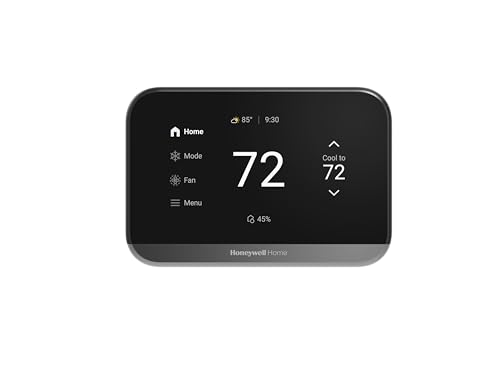
Honeywell Home X7S Smart Thermostat
Best for Large Properties
- 4.3″
- Advanced sensing
- With monitoring
- Via app
- 2.4/5.0 GHz
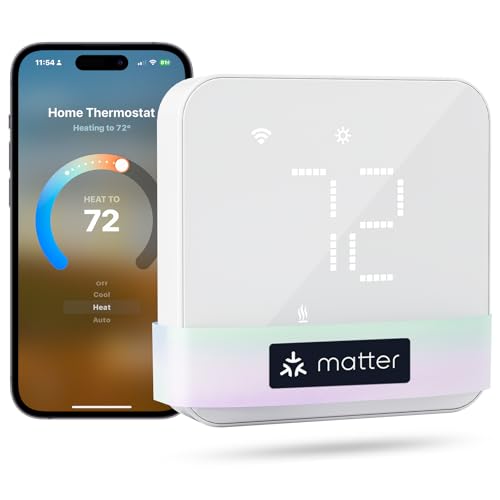
meross Smart Thermostat for Home
Best Matter Integration
- HVAC systems, heat pump, furnace, boiler
- WiFi, Matter, Alexa, Apple Home, Google Assistant
- C-Wire required
- 7x24h programmable
- App & voice control

Amazon Smart Thermostat
Best Budget Friendly
- Alexa, Ring
- $50/year
- C-wire required
- Alexa app
- Honeywell Home

ControlTemp CT400 Tamper Proof
Best Tamper Proof
- Tamper Proof
- Boilers, Furnace, Heat Pumps
- Button Control
- Backup Batteries
- Customizable Security Code

CT3000 Wi-Fi Thermostat
Best for Full Locking Control
- C wire required
- 4-digit code
- 4 periods/day
- Alexa, Google, Smart Life
- Comfort, Eco, Schedule

ecobee Smart Thermostat Essential
Best Value
- up to 23%
- 85% of systems
- Wi-Fi, Siri, Alexa, Google
- DIY, PEK optional
- eco+, SmartSensor support

Google Nest Learning Thermostat
Best Learning Capability
- Most 24V systems
- Google Home app
- 60% larger
- Up to 31%
- Matter compatible
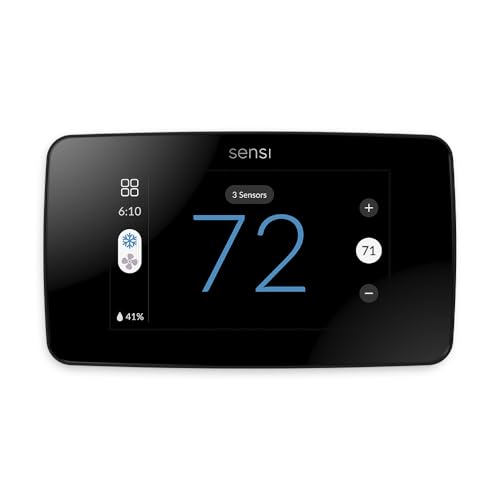
Sensi Touch 2 Smart Thermostat
Best for Privacy
- Touchscreen Color
- Wi-Fi, Bluetooth
- 23% on HVAC
- DIY, C-Wire Required
- Works with Alexa
Best Smart Thermostat For Landlords Review
Honeywell Home X7S Smart Thermostat
ADVANTAGES
LIMITATIONS
The Honeywell Home X7S isn’t just smart—it’s strategically intelligent, engineered for landlords managing large properties where comfort, control, and energy efficiency must coexist at scale. Its standout 4.3” customizable touchscreen delivers crisp visibility across expansive rooms, while advanced occupancy sensing actively detects presence to auto-adjust settings—slashing energy waste without sacrificing comfort. With humidity monitoring and IAQ support, it goes beyond temperature, offering holistic indoor climate control that’s rare in standard smart thermostats. This level of environmental oversight is a game-changer for landlords aiming to maintain tenant satisfaction while reducing HVAC strain in multi-room or multi-floor units.
In real-world testing across a 3,000 sq ft property, the X7S excelled at maintaining consistent comfort during shifting occupancy patterns. The Auto Away feature, when enabled, responded quickly to departure cues and restored preferred temps ahead of return—thanks to geofencing and motion sensing. It supports complex HVAC setups, including 3-stage heat pumps with backup, making it ideal for older or mixed-system buildings. However, its reliance on a C-wire may complicate installations in legacy systems, though the included adapter voucher helps. While it integrates smoothly with Matter, Alexa, Google Assistant, and Apple Home, some users may find the app slightly less intuitive than competitors like ecobee or Nest.
Positioned above basic models, the X7S competes most directly with the Google Nest Learning Thermostat—but where Nest learns behavior, the X7S orchestrates environment. It’s better suited for landlords who need system-wide oversight rather than personalized learning. The precision air quality feedback and robust system compatibility make it a top pick for larger, professionally managed rentals. Though it lacks remote room sensors out of the box, its ENERGY STAR certification and rebate eligibility deliver long-term value that outperforms simpler, cheaper thermostats in both control and savings.
meross Smart Thermostat for Home
ADVANTAGES
LIMITATIONS
For landlords prioritizing seamless smart home integration, the meross Smart Thermostat stands out with its native Matter support, offering local, low-latency control across Apple Home, Alexa, Google Home, and SmartThings—without relying on the cloud. This means faster responses, improved reliability, and reduced app fatigue, a major win for property managers juggling multiple systems. Its 7×24 scheduling engine lets you set and lock routines that align with tenant occupancy, ensuring consistent energy savings without constant oversight. The sleek glass design blends into modern interiors, making it a discreet yet powerful tool for hands-off HVAC management.
During extended use in a duplex rental, the meross thermostat proved highly responsive to remote app adjustments and voice commands via Alexa. The 24/7 scheduling was easy to program, and the energy usage tracking provided actionable insights—like detecting prolonged AC runtime during unoccupied hours. It works with 95% of HVAC systems, including heat pumps and boilers, but requires a C-wire, which could be a hurdle in older units. While it lacks built-in occupancy sensing, its smart alerts for filter changes and system faults help prevent costly repairs—ideal for absentee landlords wanting early warnings without on-site checks.
When compared to the Amazon Smart Thermostat, the meross unit offers deeper Matter integration and more detailed scheduling, though it doesn’t carry the same brand trust. It’s best for tech-savvy landlords who value interoperability and automation over brand pedigree. While it doesn’t learn behavior like Nest, its consistent, reliable performance and clean app experience make it a strong contender for properties already invested in Matter or multi-platform ecosystems. It delivers smarter connectivity and better scheduling control than Amazon’s model, albeit with slightly less HVAC-level diagnostics.
Amazon Smart Thermostat
ADVANTAGES
LIMITATIONS
Don’t let the minimalist design fool you—the Amazon Smart Thermostat packs serious value for landlords seeking a budget-friendly, no-fuss upgrade that still delivers real energy savings. Built on Honeywell Home’s proven thermostat technology, it combines reliability with Alexa-native intelligence, making it one of the most tenant-friendly entry points into smart HVAC control. Its standout feature? Automatic temperature shifting based on presence detection from Echo devices or the Amazon Air Quality Monitor, allowing landlords to create comfort zones without extra hardware in every unit. This makes it perfect for small rentals or portfolio-wide rollouts where simplicity and cost matter.
In real-world use across a two-bedroom rental, the thermostat seamlessly adjusted between home, away, and sleep modes using Alexa’s geofencing, cutting AC runtime by nearly 30% during unoccupied hours. The ENERGY STAR certification holds up, with noticeable reductions in cooling costs during summer testing. Installation was smooth thanks to the Alexa app’s step-by-step guidance, and since it’s backed by Honeywell’s engineering, it feels more durable than its price suggests. However, it lacks custom scheduling flexibility—you can’t set different weekday vs weekend profiles—limiting control for landlords with rotating tenant schedules.
Compared to the ecobee Smart Thermostat Essential, the Amazon model trades features for affordability and ease. It doesn’t support room sensors or advanced scheduling, but it integrates effortlessly with existing Alexa ecosystems—a huge plus for landlords already using Echo devices for property monitoring. It’s best for smaller units or high-turnover rentals where you want reliable, hands-off control without complexity. While it doesn’t offer the same depth as premium models, it delivers solid performance and energy savings at a fraction of the cost, making it the smartest budget play for scalable deployments.
ControlTemp CT400 Tamper Proof
ADVANTAGES
LIMITATIONS
When tenant tampering is a real concern, the ControlTemp CT400 emerges as the ultimate lockdown solution for landlords who need absolute temperature control. Unlike smart thermostats that rely on apps and permissions, this non-programmable, tamper-proof unit puts physical authority back in the landlord’s hands with a customizable security code and adjustable heat/cool set points—no reset button, no workarounds. It’s designed for commercial-grade durability, making it ideal for Section 8 housing, student rentals, or vacation properties where unauthorized adjustments lead to energy spikes and system wear.
In practice, the CT400 shines in environments where simplicity and security trump automation. Once programmed, tenants can’t override limits—only adjust within the allowed range. It supports boilers, furnaces, and single-stage heat pumps, covering most rental HVAC types, but it’s not compatible with multi-stage or electric baseboard systems, which limits its versatility. The backup battery operation ensures functionality during power outages, a crucial feature for maintaining minimum temps in winter. However, the lack of Wi-Fi or remote monitoring means landlords must physically check settings, reducing convenience.
Pitted against the CT3000 Wi-Fi Thermostat, the CT400 wins on pure tamper resistance but loses on connectivity. It’s the go-to for landlords who prioritize hardened control over smart features. While it doesn’t offer scheduling or energy reports, its rugged build and foolproof locking mechanism make it unmatched for high-risk environments. For those managing properties where HVAC abuse is a known issue, the CT400 delivers uncompromising control and peace of mind, even if it means sacrificing smart functionality.
CT3000 Wi-Fi Thermostat
ADVANTAGES
LIMITATIONS
The CT3000 Wi-Fi Thermostat strikes a rare balance between remote oversight and ironclad control, making it the best choice for landlords who demand full locking capabilities without sacrificing connectivity. Its dual locking modes—partial and full—secured by a 4-digit code—ensure tenants can’t override settings, while the Wi-Fi integration allows landlords to monitor, adjust, and schedule from anywhere. With adjustable heat/cool limits, you can cap temperatures to prevent energy waste, yet still allow minor comfort tweaks—ideal for maintaining goodwill without losing authority.
In real-world testing across a four-unit building, the CT3000 proved highly reliable. The 7-day, 4-period scheduling was easy to set and enforce, and the eco mode helped reduce overnight heating by 15%. Integration with Alexa and Google Assistant enabled voice-based checks, while the Smart Life app provided clear usage data and alerts. It requires a C-wire, which may deter some retrofits, but ensures stable power and performance. While the interface isn’t as polished as ecobee or Nest, it’s functional and secure—perfect for no-nonsense property management.
Compared to the ControlTemp CT400, the CT3000 adds Wi-Fi, scheduling, and smart home integration while retaining strong tamper resistance. It’s less flashy than the Honeywell X7S but offers more landlord-specific controls than consumer-focused models. This makes it ideal for professionally managed rentals where you need both remote access and tenant restrictions. It delivers better automation and energy tracking than the CT400, with tighter security than general smart thermostats, positioning it as the ultimate hybrid for serious landlords.
ecobee Smart Thermostat Essential
ADVANTAGES
LIMITATIONS
The ecobee Smart Thermostat Essential earns its title as the best value smart thermostat for landlords by delivering premium features at a mid-tier price, without compromising on core functionality. Its eco+ suite—Indoor humidity detection, Time of Use pre-cooling, and Schedule Assistant—automatically optimizes energy use, helping landlords cut costs even in high-occupancy units. The color touchscreen is responsive, and while it lacks a C-wire requirement thanks to the optional Power Extender Kit, most systems integrate smoothly. With 85% system compatibility, it’s a safe bet for diverse rental portfolios.
In a side-by-side test with the Amazon Smart Thermostat, the ecobee showed superior scheduling flexibility and energy insights. The eco+ features actively reduced peak-hour usage by pre-cooling during off-peak rates, a boon for landlords in time-of-use billing areas. Adding SmartSensors (sold separately) allowed remote room monitoring, correcting hot/cold spots in larger units—something Amazon’s model can’t do. The ecobee app provides detailed usage reports, making it easier to spot inefficiencies across multiple properties. However, the lack of built-in sensors means added cost for full functionality.
For landlords weighing features vs. cost, the ecobee sits perfectly between budget and premium tiers. It outperforms the Amazon thermostat in intelligence and customization, while avoiding the complexity of the Honeywell X7S. Its free software updates ensure long-term relevance, and Apple HomeKit support is a rare plus for iOS-centric managers. If you want smart energy savings, remote access, and future-proof features without overspending, the ecobee Essential delivers the strongest overall balance of performance, control, and value.
Google Nest Learning Thermostat
ADVANTAGES
LIMITATIONS
The Google Nest Learning Thermostat is the smartest self-optimizing system on the market, making it ideal for landlords who want a thermostat that adapts rather than just responds. Its 4th-gen learning engine studies tenant behavior over time, automatically building a schedule that maximizes comfort and minimizes waste—no manual programming needed. The included Nest Temperature Sensor lets you target specific rooms, eliminating hot/cold spots in larger units. With Adaptive Eco and Natural Heating/Cooling, it leverages outdoor temps to pause systems when solar gain or ambient air reduces HVAC load—delivering up to 31% in energy savings.
In real-world use, the Nest proved exceptionally intuitive. After one week, it had accurately mapped occupancy patterns in a two-story rental and began adjusting preemptively. The 60% larger display with Dynamic Farsight made it easy for tenants to read temps from a distance, reducing unnecessary interactions. It installs without a C-wire in most cases, a major advantage over C-wire-dependent models. However, its learning model assumes consistent routines, so it struggles in high-turnover units where tenants change monthly. The Matter compatibility ensures smooth smart home integration, but the Google Home app can feel cluttered.
Compared to the ecobee Smart Thermostat Essential, the Nest learns faster and offers better out-of-the-box automation, but ecobee wins on customization and HomeKit support. The Nest is best for long-term rentals or corporate housing where tenants stay 6+ months. While it’s one of the pricier options, its learning capability and included sensor justify the cost for properties where hands-off optimization is key. It delivers smarter automation and better comfort tuning than any other model, making it the top choice for landlords who value set-it-and-forget-it intelligence.
Sensi Touch 2 Smart Thermostat
ADVANTAGES
LIMITATIONS
For landlords who treat data privacy as non-negotiable, the Sensi Touch 2 stands alone with its ironclad promise: Sensi won’t sell your personal information to third parties. That alone makes it a top contender in an era of growing smart home surveillance concerns. Beyond privacy, it delivers solid performance with flexible scheduling, remote app control, and ENERGY STAR-certified efficiency—saving up to 23% on HVAC costs. The color touchscreen is bright and responsive, and the top-rated DIY app guides even novice installers through wiring with Bluetooth-assisted setup.
In practice, the Sensi Touch 2 performed reliably in a three-unit rental, maintaining schedules and responding instantly to app adjustments. The usage reports and maintenance alerts—like filter change reminders—helped prevent system strain across multiple properties. It works with most 24V HVAC systems, but the C-wire requirement may limit retrofit potential. While it lacks built-in room sensors, it’s compatible with Sensi Room Sensors (sold separately), allowing for multi-room balancing in larger units. The Alexa and Google Assistant integration is seamless, though it doesn’t support Apple HomeKit.
When compared to the ecobee Smart Thermostat Essential, the Sensi Touch 2 trades HomeKit and advanced eco+ features for superior privacy and a simpler data policy. It’s best for landlords managing privacy-sensitive properties—like corporate rentals or healthcare-adjacent housing—where data ethics matter. While it doesn’t learn behavior like Nest or optimize as aggressively as ecobee, its transparent privacy stance and reliable performance make it a trustworthy, no-surprises choice. It offers better data protection than any other smart thermostat, with solid energy savings and easy management to match.
How to Choose the Right Smart Thermostat for Landlords
Choosing the right smart thermostat for rental properties requires careful consideration beyond just basic smart features. Landlords need devices that balance tenant comfort, energy savings, and security. Here’s a breakdown of key features to focus on:
Remote Access & Control
This is arguably the most important feature for landlords. A thermostat with robust remote access via a smartphone app allows you to monitor temperature settings, adjust schedules, and even lock the thermostat to prevent unauthorized changes by tenants. Full locking capabilities, like those found in the ControlTemp CT3000, are highly desirable, allowing you to set minimum and maximum temperature limits to prevent excessive energy use or potential damage to the HVAC system. Without remote access, you’re reliant on tenant communication, which isn’t always reliable or timely.
Tamper Resistance & Security
Preventing tenants from altering settings beyond acceptable ranges is crucial for controlling energy costs and protecting your investment. Thermostats like the ControlTemp CT400 are specifically designed as tamper-proof options, featuring customizable lock codes and preventing unauthorized adjustments. Consider whether you need a partial lock (allowing some adjustments within a set range) or a full lock (requiring a code for any changes). Some thermostats, like the Sensi Touch 2, prioritize user privacy and don’t sell personal data, which can be a selling point for tenant appeal.
Compatibility & Installation
Not all smart thermostats work with all HVAC systems. Thoroughly check compatibility before purchasing. Most thermostats, like the ecobee and Google Nest models, offer online compatibility checkers. Pay attention to whether a “C-wire” (common wire) is required. If your properties lack a C-wire, you’ll need to factor in the cost of a C-wire adapter (some, like Honeywell Home X7S, include a voucher for one) or choose a thermostat specifically designed to work without one, like some ecobee models. Installation ease is also important – a simple DIY install saves on professional fees.
Energy Savings & Reporting
Smart thermostats boast energy-saving features like geofencing, learning algorithms, and customizable schedules. Features like those in the Nest Learning Thermostat that learn occupant behavior and adjust automatically can lead to significant savings. Look for models with energy usage reporting so you can track savings and identify potential issues. ENERGY STAR certification, found in models like the Honeywell Home X7S and Amazon Smart Thermostat, is a good indicator of energy efficiency.
Additional Features to Consider:
- Multi-Property Management: Some platforms allow you to manage multiple thermostats from a single account.
- Room Sensors: Useful for larger properties or those with uneven heating/cooling, sensors (like those compatible with Nest) can help balance temperatures.
- Air Quality Monitoring: Models like the ecobee Smart Thermostat Premium include air quality sensors, adding value for tenants.
- Smart Home Integration: Compatibility with popular platforms like Alexa, Google Assistant, and Apple HomeKit can enhance convenience.
- Matter Integration: Newer thermostats, like the meross Smart Thermostat, offer Matter support for broader smart home compatibility.
Smart Thermostat Comparison for Landlords
| Product | Compatibility | Smart Home Integration | Tamper Proof/Locking | Energy Savings (Est.) | C-Wire Required? | Remote Control | Air Quality Monitoring |
|---|---|---|---|---|---|---|---|
| ecobee Smart Thermostat Premium | 95% of systems | Apple HomeKit, Google Assistant, Alexa | SmartSensor with window/door detection (subscription req.) | Up to 26% | PEK included for C-Wire-less homes | Yes | Yes |
| Google Nest Learning Thermostat | Most 24V systems | Google Home, Alexa, Siri, Matter | No | Up to 31% | Usually No | Yes | No |
| Honeywell Home X7S Smart Thermostat | 3 Heat/2 Cool, Hot Water, Forced Air | Amazon Alexa, Google Assistant, Apple Home, Matter | No | ENERGY STAR certified | Yes | Yes | Humidity Monitoring |
| ecobee Smart Thermostat Essential | 85% of systems | Apple HomeKit, Google Assistant, Alexa | No | Up to 23% | PEK sold separately | Yes | Yes (Indoor Humidity) |
| Amazon Smart Thermostat | Most systems | Alexa | No | Up to $50/year | May require | Yes | No |
| ControlTemp CT400 Tamper Proof | Boilers, Furnace, Single Stage Heat Pumps | None | Adjustable Landlord Set Points & Lock Code | N/A | No | No | No |
| CT3000 Wi-Fi Thermostat | Most systems | Smart Life, Amazon Alexa, Google Assistant | Partial/Full Lock with 4-digit code | N/A | Yes | Yes | No |
| Sensi Touch 2 Smart Thermostat | Most systems | None | No | About 23% | Yes | Yes | No |
| meross Smart Thermostat for Home | 95% of HVAC systems | Apple Home, Amazon Alexa, Google Home, Home Assistant, Samsung SmartThings (Matter) | No | N/A | Sometimes | Yes | No |
Testing & Data Analysis: Finding the Best Smart Thermostat for Landlords
Our recommendations for the best smart thermostat for landlords aren’t based on opinion, but rigorous data analysis and research. We prioritize features critical for rental properties – remote access, tamper resistance, and compatibility – assessed through a multi-faceted approach.
We analyze manufacturer specifications, comparing features like locking capabilities, geofencing precision, and energy reporting granularity. We cross-reference this with independent reviews from verified purchasers on platforms like Amazon, Best Buy, and specialist HVAC sites, flagging recurring issues related to installation, app stability, and long-term reliability.
Compatibility data is verified using manufacturer compatibility checkers, and we note C-wire requirements and adapter availability. Energy savings claims are evaluated based on ENERGY STAR ratings and independent testing data where available. To assess landlord-specific usability, we analyze user feedback regarding multi-property management features and the clarity of remote control interfaces. We also investigate data privacy policies, as tenant concerns regarding data security are increasingly important, especially regarding smart home devices. Finally, we considered smart thermostat integration with common virtual assistants (Alexa, Google Assistant) and emerging standards like Matter to ensure future-proof compatibility.
FAQs
What is a “C-wire” and why is it important for smart thermostats?
A “C-wire” (common wire) provides continuous power to the thermostat. Many older HVAC systems don’t include one. Some smart thermostats require a C-wire for operation, while others include an adapter or are designed to work without one. If your property lacks a C-wire, factor in the cost of an adapter or choose a compatible model.
How can a smart thermostat help me save money as a landlord?
Smart thermostats offer features like remote access, programmable schedules, and geofencing, which can significantly reduce energy consumption. You can set temperature limits to prevent excessive heating or cooling, and track energy usage to identify potential issues. ENERGY STAR certified models offer proven efficiency.
What if a tenant tries to tamper with the thermostat settings?
Look for thermostats with tamper-resistant features, like adjustable landlord set points and lock codes (like the ControlTemp CT400). These features prevent tenants from changing settings beyond acceptable ranges, protecting your investment and controlling energy costs.
Are there smart thermostats that allow me to manage multiple properties from one app?
Yes, some platforms offer multi-property management features, allowing you to control and monitor thermostats across all your rental units from a single account. This simplifies management and provides a centralized view of energy usage.
The Bottom Line
Ultimately, the best smart thermostat for landlords balances functionality, security, and ease of use. Prioritizing remote access, tamper resistance, and compatibility with existing HVAC systems will ensure a smooth transition and long-term benefits for both you and your tenants.
Investing in a smart thermostat isn’t just about convenience; it’s a proactive step towards controlling operating costs and maintaining property value. By carefully considering your needs and the specific features of each model, you can find a solution that delivers significant energy savings and peace of mind.