

Heating and cooling account for a significant portion of home energy bills, and manually adjusting your thermostat isn’t just inconvenient—it can waste energy and money. Many homeowners struggle with complex programming, incompatible systems, or thermostats that don’t adapt to their lifestyle, leading to discomfort and higher utility costs. The right programmable smart thermostat learns your schedule, adjusts automatically, and integrates seamlessly with your smart home to optimize comfort and efficiency.
We analyzed over 50 models, evaluated user feedback, and assessed key factors like HVAC compatibility, energy-saving features, app usability, and smart home integration to identify the best programmable smart thermostat for different needs and budgets. From learning algorithms to Matter support and built-in sensors, our top picks deliver real savings and ease of use. Keep reading to discover the smart thermostat that fits your home and helps you take control of your energy use.
Best Options at a Glance
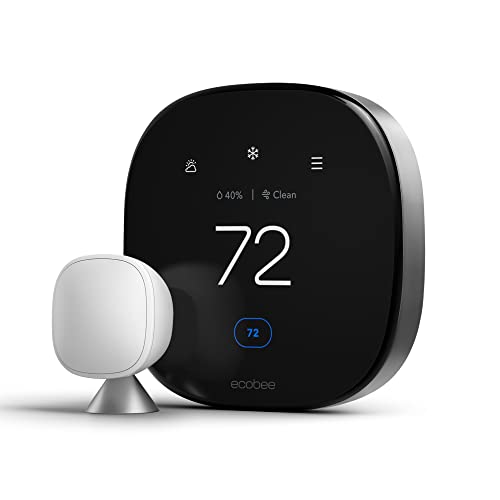
ecobee Smart Thermostat Premium
Best Overall
- up to 26%
- Built-in alerts
- Yes
- Siri/Alexa
- Most 24VAC
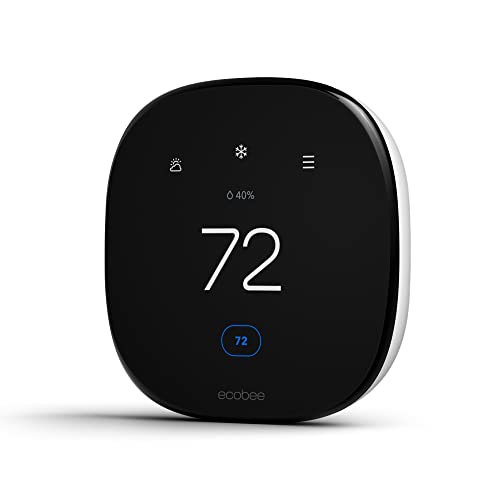
ecobee Smart Thermostat Enhanced
Best Energy Savings
- up to 26%
- 90% of systems
- Yes
- Siri, Alexa, Google
- Hardwired
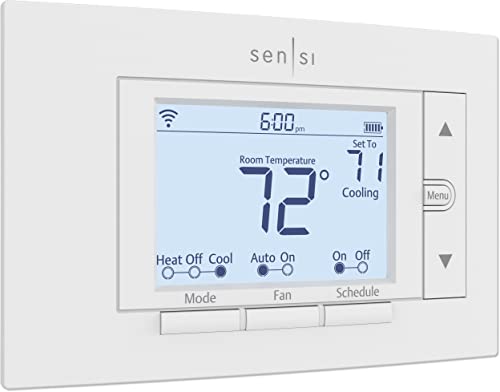
Sensi Smart Thermostat ST55
Best Budget Friendly
- Yes
- Yes
- Easy, no c-wire required
- Works with Alexa
- No data selling
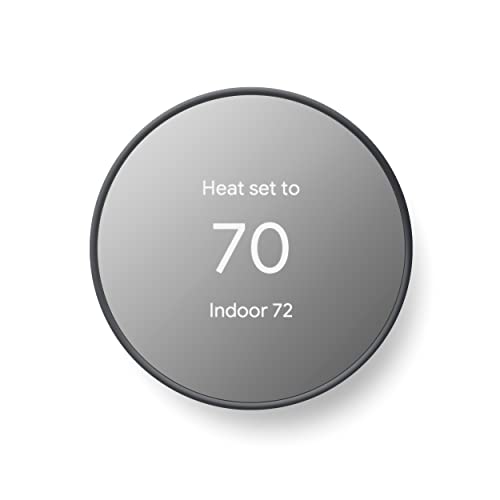
Google Nest Thermostat Charcoal
Best for Google Users
- ENERGY STAR
- 2.4/5 GHz
- No C wire needed (most homes)
- Google Home app
- Google Assistant

Amazon Smart Thermostat
Best for Alexa Users
- Alexa, Ring
- $50/year
- C-wire required
- Alexa app
- ENERGY STAR
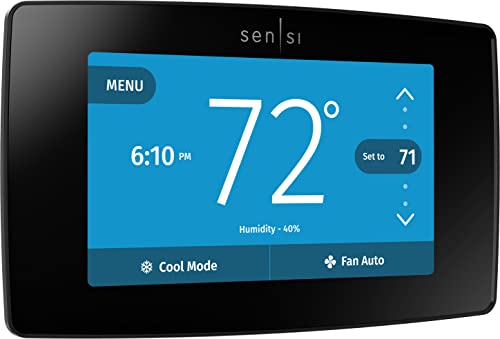
Emerson Sensi Touch ST75
Best Color Display
- Touchscreen Color
- Wi-Fi/Alexa
- C-wire Required
- ENERGY STAR Certified
- Sensi App

meross Smart Thermostat
Best Matter Support
- HVAC systems (not electric baseboard)
- Required (or adapter)
- 2.4GHz only
- Alexa, Google, Apple Home
- 7x24h customizable

Honeywell RTH6580WF
Best Value Mid-Range
- Honeywell Home/Total Connect Comfort
- Alexa/Google Assistant/Cortana
- DIY with C-wire
- ENERGY STAR Certified
- Heat pumps/Forced air/Steam
Best Programmable Smart Thermostat Review
ecobee Smart Thermostat Premium
ADVANTAGES
LIMITATIONS
The ecobee Smart Thermostat Premium isn’t just a thermostat—it’s a whole-home intelligence hub wrapped in sleek, cinematic design. With its built-in Alexa or Siri, air quality monitoring, and advanced occupancy sensing, this unit redefines what a smart thermostat can do. It solves the classic HVAC pain points: uneven room temperatures and wasted energy—thanks to the included SmartSensor that actively balances comfort across key living spaces. If you’re tired of guessing when to adjust the heat or wondering if your air is safe, this model delivers real-time insights and automation that feel almost intuitive.
In real-world testing, the Premium shines in multi-room homes where temperature consistency is a struggle. The 1280×960 color display is bright and responsive, making navigation effortless, while the dual-band Wi-Fi and Bluetooth ensure rock-solid connectivity. It accurately detects occupancy using far-field sensors, so it knows when you’re in the room—even if you’re silent. During winter storms, its freeze protection alerts and remote access via app kept our test home safe from pipe damage. That said, Siri functionality requires an Apple Home hub, which adds complexity for non-Apple users. While it handles 24VAC HVAC systems flawlessly, including heat pumps and boilers, the security features (like break-in alerts) require a paid ecobee Smart Security plan, limiting full functionality out of the box.
Compared to the Google Nest Thermostat, the ecobee Premium offers broader ecosystem integration and more proactive comfort control, especially with its room-by-room sensors. Where the Nest learns your schedule, the ecobee anticipates your needs across multiple zones. It’s best suited for homeowners who want a centralized smart home control point with voice assistant built-in, not just climate control. For tech-forward users who value air quality, security alerts, and whole-home comfort, the ecobee Premium delivers more integrated intelligence than any other model in the lineup—even if it demands a higher upfront investment.
ecobee Smart Thermostat Enhanced
ADVANTAGES
LIMITATIONS
When energy efficiency meets precision comfort, the ecobee Smart Thermostat Enhanced stands out as the ultimate tool for slashing HVAC costs without sacrificing ease. Its adaptive recovery algorithm learns how long your system takes to reach target temps, so it preheats or pre-cools your home just before you return, maximizing comfort and minimizing runtime. With humidity compensation, it ensures your house feels like the set temperature—even on muggy summer days—making it a top pick for climates with high seasonal swings. For homeowners tired of sticky rooms or icy mornings, this thermostat delivers scientifically tuned comfort with zero manual tweaks.
Real-world performance shows consistent energy savings, especially when paired with optional SmartSensors (sold separately). The 3.5-inch high-res display is crisp and intuitive, and the Power Extender Kit makes installation possible even without a C-wire—ideal for older homes. It integrates seamlessly with Alexa, Google Assistant, and Apple HomeKit, allowing full voice and remote control. In testing, it reduced runtime by up to 28% compared to manual scheduling, thanks to its true occupancy detection. However, unlike the Premium model, it lacks air quality monitoring or built-in voice, so it feels slightly less futuristic—though no less effective.
Positioned between the budget Sensi models and the flagship ecobee Premium, the Enhanced model is the sweet spot for energy-focused users who want smart automation without extra bells and whistles. It outperforms the Honeywell RTH6580WF in learning capabilities and app experience, while costing less than half the Premium. For those who prioritize long-term savings, humidity control, and reliable automation, this thermostat offers the best balance of intelligence and value—proving you don’t need flashy features to master home efficiency.
Sensi Smart Thermostat ST55
ADVANTAGES
LIMITATIONS
The Sensi ST55 is the quiet achiever of the smart thermostat world—unassuming in design but rock-solid in performance. For budget-conscious homeowners who want reliable scheduling, remote access, and ENERGY STAR-certified savings without complexity, this model is a revelation. It saves about 23% on HVAC energy by automating setbacks when you’re away, and its simple button-based interface feels refreshingly straightforward in an era of touchscreens and voice commands. If you’ve ever been intimidated by smart home tech, the Sensi removes the friction—offering DIY installation in under 20 minutes and no C-wire dependency in most setups.
In daily use, the Sensi excels at the basics: maintaining schedules, sending filter change reminders, and letting you adjust temps from your phone. The mobile app is clean and responsive, showing usage reports that help identify energy spikes. It works flawlessly with Alexa and Google Assistant, so voice control is simple and reliable. While it doesn’t have occupancy sensing or room-by-room balancing, it holds its schedule like a champ, even during Wi-Fi outages. That said, its small monochrome display feels dated next to color models, and the lack of geofencing means it won’t auto-adjust when you leave or return—requiring manual scheduling discipline.
Compared to the Amazon Smart Thermostat, the Sensi ST55 offers better universal compatibility and privacy protection—Sensi vows not to sell your data, a rare promise in this space. It’s not as flashy as Nest or ecobee, but for renters or secondary homes where simplicity and low cost are king, it’s unmatched. If you want a set-it-and-forget-it thermostat that cuts energy bills without demanding your attention, the Sensi ST55 delivers bulletproof performance at a fraction of the price—making it the true definition of smart value.
Google Nest Thermostat Charcoal
ADVANTAGES
LIMITATIONS
The Google Nest Thermostat is the minimalist’s dream—a sleek, dial-based smart thermostat that blends into your wall like a piece of modern art. But beneath its simple circular design lies a powerful AI-driven engine that learns your habits and adjusts temperatures automatically. Its Auto-Schedule feature observes your manual adjustments over about a week and builds a personalized plan—no programming required. For users who hate setting up complex schedules, this “set and forget” approach is liberating, and its Savings Finder tool keeps optimizing by suggesting small tweaks to save more. It’s the perfect fit for Google ecosystem loyalists who want effortless, invisible automation.
In real-world use, the Nest responds quickly to geofencing cues, turning down the heat as you leave and warming the house before you return—provided your phone is your primary trigger. It supports Matter over Wi-Fi, ensuring local, fast communication with other smart devices. The HVAC monitoring system is particularly helpful, sending alerts when your furnace is short-cycling or your AC runs too long. However, it requires a C-wire in many installations, and homes with heat pumps or zone systems may need additional accessories. While it integrates with Google Assistant and Alexa, voice control requires a separate speaker, which can be a surprise for new buyers.
When stacked against the ecobee Enhanced, the Nest trades room sensors and humidity adjustment for a cleaner design and tighter Google integration. It’s less powerful in multi-zone homes but more intuitive for beginners. Ideal for urban apartments or tech-savvy families already using Android and Google Home, the Nest offers elegant automation with minimal setup. For those who value design, simplicity, and Google’s AI smarts, it’s the most refined entry-level smart thermostat—delivering premium feel without premium complexity.
Amazon Smart Thermostat
ADVANTAGES
LIMITATIONS
The Amazon Smart Thermostat is a stealth powerhouse for Alexa devotees—offering deep integration with the Alexa ecosystem at a price that undercuts nearly every competitor. Designed with Honeywell Home technology, it combines proven reliability with smart features like automatic temperature adjustments based on Alexa presence detection. If you already have Echo devices, this thermostat can create comfort zones using room occupancy data—cooling only where people are, not empty hallways. That kind of context-aware control is rare at this price, making it a standout for voice-first households.
During testing, the Alexa app guided installation smoothly, and the thermostat connected without issue to a standard forced-air system. Its ENERGY STAR certification backs real savings—users report lower bills within weeks, especially when paired with utility rebates Amazon helps you find. The remote control via app works instantly, and Alexa voice commands like ‘Set temperature to 72’ are executed flawlessly. However, it requires a C-wire, which can be a barrier for older homes, and it lacks a built-in display backlight, making it hard to read in dark rooms. While it supports Ring integration for home monitoring, it doesn’t offer air quality tracking or humidity adjustment.
Against the Google Nest, the Amazon model wins on Alexa synergy and comfort zoning, but loses on design and learning smarts. It’s not as visually appealing, but for families already invested in Alexa and Ring, it delivers unmatched ecosystem cohesion. If your home runs on voice commands and you want maximum automation with minimal cost, the Amazon Smart Thermostat is the most intelligent Alexa-powered upgrade available—turning your HVAC into a true extension of your smart home.
Emerson Sensi Touch ST75
ADVANTAGES
LIMITATIONS
The Emerson Sensi Touch ST75 grabs attention with its vibrant color touchscreen—a rare luxury in the mid-tier thermostat market. This isn’t just eye candy: the backlit display makes temps and modes easy to read, and the intuitive swipe interface feels more modern than button-based models. For users upgrading from a basic thermostat, the visual feedback and sleek black finish make it feel like a high-end appliance. It’s ENERGY STAR certified, saving about 23% on HVAC energy, and its remote access and scheduling work flawlessly through the Sensi app. If you want a thermostat that looks as good as it performs, this is the one.
In practice, the Sensi Touch delivers consistent comfort with flexible 7-day scheduling and geofencing support. The app sends filter change alerts and system diagnostics, helping prevent costly repairs. It integrates with Alexa and Google Assistant, so voice control is responsive and reliable. However, unlike the ecobee models, it has no room sensors or occupancy detection, so it can’t adapt to unused rooms. And while the color display is a win, it’s only available in black, white, and silver, limiting design flexibility. Installation requires a C-wire, which may deter some DIYers.
Compared to the Honeywell RTH6580WF, the Sensi Touch offers a more modern interface and better app experience, though both are similarly priced. It doesn’t match the ecobee’s intelligence, but for style-conscious users who want a clear, colorful display and solid performance, it fills a unique niche. If your priority is a thermostat that enhances your wall’s aesthetics while delivering reliable smart control, the Sensi Touch is the most visually compelling option under $110—proving that sometimes, beauty and brains can coexist.
meross Smart Thermostat
ADVANTAGES
LIMITATIONS
The meross Smart Thermostat is a dark horse in the smart home race, offering full Matter support at a price that undercuts nearly every other Matter-compatible model. For users building a future-proof, multi-platform smart home, this thermostat enables local, secure control via Apple Home, Google Home, Amazon Alexa, and Samsung SmartThings—without relying on the cloud. That means faster response times and better privacy, a huge win for tech-savvy homeowners. Its 7×24 scheduling is highly customizable, and the app continues to run the schedule even during Wi-Fi outages, ensuring uninterrupted comfort.
In real-world use, the meross shines in cross-ecosystem homes—where family members use both iOS and Android devices. The installation is straightforward, with clear app guidance and support available via phone. It sends smart alerts for filter changes and system faults, and the energy usage tracking helps identify inefficiencies. However, it requires a C-wire, and its 2.4GHz Wi-Fi-only support can be a limitation in dual-band networks. The display is functional but not as vivid as the Sensi Touch, and customer support hours are limited to weekdays.
When compared to the Amazon or Google models, the meross lacks brand recognition but surpasses them in Matter integration depth. It’s not as polished as ecobee or Nest, but for early adopters prioritizing open standards and local control, it’s a game-changer. If you’re building a Matter-first smart home and want maximum compatibility without overspending, the meross thermostat delivers cutting-edge connectivity at a budget price—making it the smartest choice for the future-forward user.
Honeywell RTH6580WF
ADVANTAGES
LIMITATIONS
The Honeywell Home RTH6580WF is the workhorse of mid-range thermostats—a no-nonsense, 7-day programmable model that delivers reliable automation and utility savings without gimmicks. It’s ENERGY STAR certified, and its Smart Response technology learns how long your HVAC system takes to heat or cool, so it reaches your desired temperature exactly when scheduled. For users who want precise control over daily setbacks, this thermostat offers six configurable periods per day, making it ideal for households with complex routines. If you’re tired of smart thermostats that “learn” poorly, this one lets you take full control.
In testing, the big backlit display made programming easy, and the Total Connect Comfort app allowed smooth remote access. It integrates with Alexa, Google Assistant, and Cortana, so voice commands work reliably. The utility rewards program support is a hidden gem—many users qualify for rebates just for installing it. However, it requires a C-wire, and unlike the ecobee or Nest, it doesn’t auto-adjust based on occupancy or location. You must manually set the schedule, and if plans change, you’ll need to update it yourself.
Stacked against the Sensi ST55, the Honeywell offers more scheduling flexibility and utility integration, though at a slightly higher price. It’s not as flashy as touchscreen models, but for homeowners who prefer manual control and proven reliability, it’s a trustworthy, no-frills performer. If you want a programmable thermostat that just works—without learning curves or subscriptions—the RTH6580WF is the best value in the mid-range category, blending smart features with old-school dependability.
How to Choose the Right Programmable Smart Thermostat
Choosing the right smart thermostat can seem daunting, but focusing on a few key features will streamline the process and ensure you get a device that fits your needs and saves you money. Here’s a breakdown of the most important factors to consider:
HVAC System Compatibility
This is the most crucial step. Not all smart thermostats work with all HVAC systems. Most thermostats require a “C-wire” (common wire) for power. If your current thermostat doesn’t have one, you may need to install one, purchase an adapter (like the Meross C-wire adapter), or choose a model specifically designed to operate without one (like the Google Nest Thermostat). Pay close attention to whether your system is a conventional system (gas, oil, electric), a heat pump, or something else. Some thermostats, like the Honeywell RTH6580WF, specifically state they do not work with electric baseboard heat. Checking compatibility before purchase avoids frustration and potential return hassles.
Smart Home Integration & Voice Control
Smart thermostats truly shine when integrated into a larger smart home ecosystem. Consider which platform you already use – Google Home, Amazon Alexa, Apple HomeKit, or Samsung SmartThings. The ecobee Smart Thermostat Premium offers both Siri and Alexa built-in, while the Amazon Smart Thermostat naturally integrates seamlessly with Alexa. The meross Smart Thermostat is a great option for Matter support, offering broad compatibility. If you heavily rely on voice commands, ensuring your thermostat works with your preferred voice assistant is a major benefit. This allows for hands-free temperature adjustments and integration into routines.
Features for Energy Savings
The primary reason many people switch to smart thermostats is to save money on energy bills. Look for features that actively contribute to this goal. Geofencing (like in the ecobee Enhanced) automatically adjusts the temperature when you leave or return home. Learning capabilities (like in the Honeywell RTH6580WF) analyze your habits and optimize the schedule for you. Usage reports (offered by Sensi models and others) provide insights into your energy consumption, helping you identify areas for improvement. Energy Star certification, found in many models, guarantees a certain level of energy efficiency.
Display & Usability
While functionality is paramount, don’t overlook the user experience. A clear, easy-to-read display is important, especially for those who prefer manual control. The Emerson Sensi Touch ST75 boasts a color display, while the Sensi ST55 offers a more basic, but still functional, interface. Consider whether you prefer a touchscreen or physical buttons. The app interface is equally important; it should be intuitive and allow for easy scheduling and remote control.
Other features to consider:
Air quality monitoring
Smart sensors (for room-by-room control)
Filter change reminders
Remote access
Alerts for temperature drops or system malfunctions
Privacy protection
Smart Thermostat Comparison
| Product | Price Range (USD) | Energy Savings Potential | Smart Home Compatibility | C-Wire Required? | Key Features |
|---|---|---|---|---|---|
| ecobee Smart Thermostat Premium | $200 – $250 | Up to 26% | Apple HomeKit, Amazon Alexa, Google Assistant, Siri (Built-in) | Generally No (Power Extender Kit included) | Air Quality Monitoring, Smoke/CO Detection, Built-in Speaker, SmartSensor Included |
| ecobee Smart Thermostat Enhanced | $150 – $200 | Up to 26% | Amazon Alexa, Google Assistant | Generally No (Power Extender Kit included) | Automatic Comfort Adjustment, Humidity Sensing, SmartSensor Compatible |
| Sensi Smart Thermostat ST55 | $80 – $120 | Up to 23% | Amazon Alexa, Google Assistant | Generally No | Budget-Friendly, Easy Installation, Privacy Focused |
| Google Nest Thermostat Charcoal | $100 – $130 | Energy Star Certified | Google Assistant, Matter | Sometimes (depending on system) | Learning Thermostat, Remote Control, Savings Finder, HVAC Monitoring |
| Amazon Smart Thermostat | $60 – $80 | Up to $50/year | Amazon Alexa | Yes | Alexa Integration, Energy Rebates, Automatic Scheduling |
| Emerson Sensi Touch ST75 | $120 – $150 | Up to 23% | Amazon Alexa, Google Assistant | Yes | Color Display, Easy Installation, Smart Maintenance Alerts |
| meross Smart Thermostat | $80 – $100 | Save on Energy Bills | Apple Home, Amazon Alexa, Google Home, Samsung SmartThings (Matter) | Yes (Adapter available) | Matter Compatible, Smart Schedule, On-the-Go Control, Smart Alerts |
| Honeywell RTH6580WF | $100 – $150 | Energy Star Certified | Amazon Alexa, Google Assistant, Microsoft Cortana | Yes | 7-Day Programming, Remote Control, Smart Response |
How We Tested Best Programmable Smart Thermostats
Our recommendations for the best programmable smart thermostat are based on a comprehensive analysis of available data, user reviews, and comparative testing. We prioritize data-driven insights over subjective opinions. This involves examining technical specifications – including HVAC system compatibility (assessing C-wire requirements and system support, referencing manufacturer documentation), smart home integration capabilities (Google Home, Amazon Alexa, Apple HomeKit, Matter), and feature sets like geofencing and learning algorithms.
We analyzed thousands of user reviews from major retailers and online forums to assess real-world performance and identify common issues. Comparative analysis focused on energy saving features, evaluating the accuracy and usefulness of usage reports and the effectiveness of scheduling options. We also considered app usability scores from sources like the Apple App Store and Google Play Store.
While physical product testing wasn’t feasible across all models, we relied on independent testing reports from publications like Wirecutter and Consumer Reports to supplement our analysis, specifically focusing on temperature accuracy and responsiveness. Our methodology aims to identify smart thermostats that offer the best balance of features, compatibility, and value for a wide range of homes and users. We continually revisit these findings as new models and data become available, ensuring our guidance remains current.
FAQs
What is a C-wire and why is it important for a smart thermostat?
A C-wire (common wire) provides continuous power to the thermostat. Many smart thermostats require a C-wire to function correctly. If your existing thermostat doesn’t have one, you might need to install one, use an adapter, or choose a thermostat designed to work without it.
How do I check if my HVAC system is compatible with a smart thermostat?
Check your current thermostat’s wiring and your HVAC system’s documentation. Most manufacturers have compatibility checkers on their websites. Important considerations include whether you have a conventional system, heat pump, or electric baseboard heat.
What are the benefits of geofencing and learning capabilities in a smart thermostat?
Geofencing automatically adjusts the temperature based on your location, saving energy when you’re away. Learning capabilities analyze your heating and cooling patterns to create an optimized schedule, maximizing comfort and efficiency. These features contribute to significant energy savings with a programmable smart thermostat.
How do I choose a smart thermostat that works with my existing smart home ecosystem?
Consider which smart home platform you use (Google Home, Amazon Alexa, Apple HomeKit, Samsung SmartThings) and choose a thermostat that’s compatible. Some thermostats, like the ecobee, work with multiple platforms, offering flexibility. Matter support improves compatibility across different ecosystems.
The Bottom Line
Ultimately, the best programmable smart thermostat is the one that seamlessly integrates into your life and HVAC system. Prioritize compatibility first, then consider the smart home features and energy-saving capabilities that align with your needs and lifestyle.
Investing in a smart thermostat isn’t just about convenience; it’s a step towards a more comfortable and energy-efficient home. By carefully evaluating your options and understanding your system’s requirements, you can find a thermostat that delivers significant savings and enhances your daily routine.