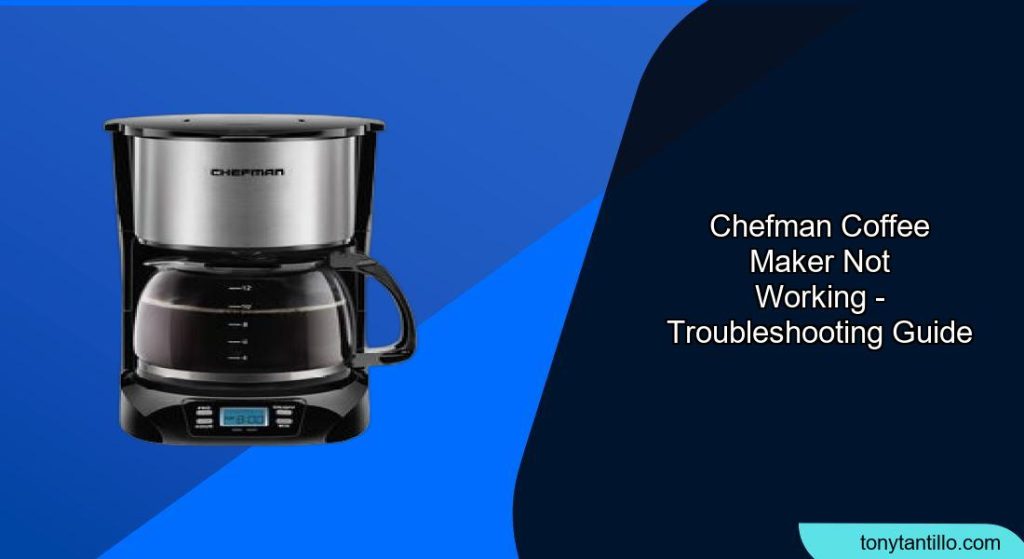
Is your Chefman coffee maker refusing to brew that essential morning cup? It’s a frustrating situation, but don’t worry! This guide will walk you through common issues and how to fix them, so you can get back to enjoying your coffee. We’ll cover everything from basic troubleshooting to more advanced solutions, ensuring you can diagnose and resolve the problem efficiently.
A malfunctioning coffee maker can disrupt your entire routine. Whether it’s a simple fix like a clogged filter or a more complex issue with the heating element, understanding the potential problems and their solutions can save you time and money. This article provides a comprehensive guide to troubleshooting and resolving common issues with Chefman coffee makers, ensuring you can get back to enjoying your favorite brew as quickly as possible.
This article provides a complete guide to troubleshooting and fixing your Chefman coffee maker, so you can get your caffeine fix in no time. We’ll cover everything from identifying the problem to step-by-step solutions, ensuring you can confidently tackle any issue. Let’s dive in and get your coffee maker back in working order!
Common Reasons Why Your Chefman Coffee Maker Isn’t Working

Several issues can cause your Chefman coffee maker to malfunction. Identifying the root cause is the first step to fixing it. Here are some common culprits:
- Power Issues: The coffee maker isn’t receiving power, either due to a faulty outlet, a damaged power cord, or an internal electrical problem.
- Clogging: Mineral buildup from hard water can clog the water lines and spray head, preventing water from flowing properly.
- Mechanical Problems: Issues with the carafe, filter basket, or other moving parts can prevent the coffee maker from operating correctly.
- Electronic Malfunctions: Problems with the control panel, sensors, or heating element can disrupt the brewing process.
- User Error: Incorrect settings, improper filling, or failure to clean the coffee maker can lead to operational problems.
Troubleshooting Steps for a Chefman Coffee Maker
Before diving into specific solutions, try these general troubleshooting steps to identify and resolve the issue:
- Check the Power Supply: Ensure the coffee maker is plugged into a working outlet. Test the outlet with another device to confirm it’s providing power. Inspect the power cord for any damage, such as fraying or cuts.
- Reset the Coffee Maker: Some Chefman coffee makers have a reset button. If your model has one, press and hold it for a few seconds to reset the device. Alternatively, unplug the coffee maker for a few minutes and then plug it back in.
- Inspect the Components: Check the carafe, filter basket, and water reservoir for any damage or obstructions. Ensure all parts are properly assembled and securely in place.
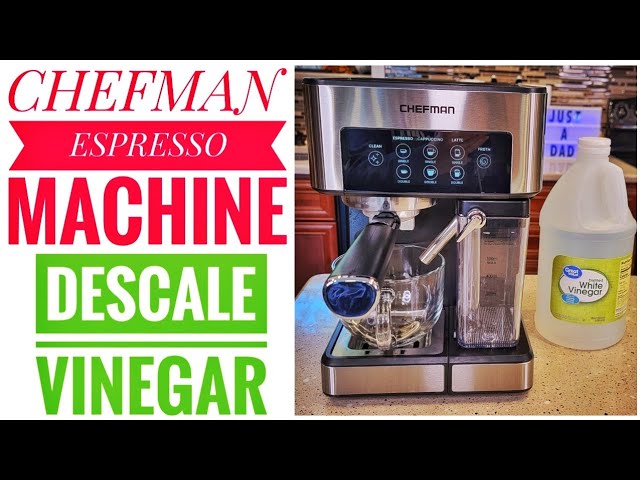
- Descale the Coffee Maker: Mineral buildup can cause various issues. Run a descaling cycle using a descaling solution or a mixture of vinegar and water. Follow the manufacturer’s instructions for descaling.
- Consult the User Manual: Refer to your Chefman coffee maker’s user manual for specific troubleshooting tips and error codes. The manual may provide valuable information about your model’s specific issues.
How to Fix Common Chefman Coffee Maker Problems
Once you’ve identified the problem, follow these step-by-step solutions to get your Chefman coffee maker back in working order:
-
Coffee Maker Not Turning On:
- Problem: The coffee maker is not receiving power.
- Solution: Verify the power cord is securely plugged into both the coffee maker and the outlet. Test the outlet with another device. If the outlet is working, inspect the power cord for damage. If the cord is damaged, it may need to be replaced. If the coffee maker still doesn’t turn on, there may be an internal electrical problem requiring professional repair.
-
Coffee Maker Brews Weak Coffee:
- Problem: Insufficient coffee grounds, incorrect water-to-coffee ratio, or a clogged filter.
- Solution: Use the correct amount of coffee grounds for the amount of water you’re brewing (typically 1-2 tablespoons per 6 ounces of water). Ensure the coffee grounds are fresh and properly ground. Clean the filter basket to remove any clogs. Try using a paper filter in addition to the permanent filter to prevent fine grounds from passing through.
-
Coffee Maker Leaking:
- Problem: Improperly seated carafe, damaged water reservoir, or clogged water lines.
- Solution: Ensure the carafe is properly seated on the warming plate. Check the water reservoir for cracks or leaks. Clean the water lines and spray head to remove any clogs. If the carafe or water reservoir is damaged, it may need to be replaced.
-
Coffee Maker Not Dispensing Water:
- Problem: Clogged water lines, mineral buildup, or a faulty pump.
- Solution: Descale the coffee maker to remove mineral buildup. Use a descaling solution or a mixture of vinegar and water. Follow the manufacturer’s instructions for descaling. If descaling doesn’t work, the pump may be faulty and require professional repair or replacement.
-
Coffee Maker Displaying Error Codes:
- Problem: Various electronic malfunctions.
- Solution: Consult your Chefman coffee maker’s user manual to identify the meaning of the error code. Follow the troubleshooting steps recommended in the manual. Reset the coffee maker by unplugging it for a few minutes and then plugging it back in. If the error code persists, there may be a more serious electronic problem requiring professional repair.
Preventing Future Problems with Your Chefman Coffee Maker
To keep your Chefman coffee maker running smoothly, follow these preventive maintenance tips:
- Regular Descaling: Descale your coffee maker every 1-3 months, depending on your water hardness.
- Clean After Each Use: Rinse the carafe, filter basket, and water reservoir after each use to prevent coffee residue buildup.
- Use Filtered Water: Using filtered water can reduce mineral buildup and improve the taste of your coffee.
- Proper Storage: Store the coffee maker in a dry, cool place when not in use.
- Follow Manufacturer’s Instructions: Always follow the manufacturer’s instructions for operation, cleaning, and maintenance.
FAQ About Chefman Coffee Maker Issues
Here are some frequently asked questions about Chefman coffee maker problems:
Why is my Chefman coffee maker brewing so slowly?
A slow brewing process is often caused by mineral buildup in the water lines. Descaling the coffee maker can help remove these deposits and restore the proper flow of water. Additionally, make sure the filter isn’t clogged and that you’re using the correct amount of coffee grounds.
How often should I descale my Chefman coffee maker?
The frequency of descaling depends on the hardness of your water. If you have hard water, descale your coffee maker every month. If you have soft water, you can descale it every 2-3 months. Look for signs of mineral buildup, such as slow brewing or unusual noises, as indicators that it’s time to descale.
Can I use vinegar to descale my Chefman coffee maker?
Yes, you can use vinegar to descale your Chefman coffee maker. Mix equal parts of white vinegar and water, pour the mixture into the water reservoir, and run a full brewing cycle without coffee grounds. Then, run two cycles with fresh water to rinse away any residual vinegar.
What does it mean when my Chefman coffee maker displays an error code?
Error codes indicate specific problems with the coffee maker’s electronic components. Consult your user manual to identify the meaning of the error code and follow the recommended troubleshooting steps. If the error code persists, it may require professional repair.
Why is my coffee maker overflowing?
Overflowing can be caused by using too much coffee grounds, a clogged filter, or a malfunctioning water level sensor. Make sure you’re using the correct amount of coffee grounds and that the filter is clean. If the problem continues, the water level sensor may need to be checked by a professional.
How do I clean the carafe of my Chefman coffee maker?
To clean the carafe, wash it with warm, soapy water after each use. For stubborn stains, fill the carafe with a mixture of water and baking soda, let it sit for a few hours, and then scrub it clean. Rinse thoroughly before using the carafe again.
Tips, Warnings, and Best Practices for Chefman Coffee Makers
- Always unplug the coffee maker before cleaning or performing maintenance.
- Never immerse the coffee maker in water or other liquids.
- Use caution when handling hot water and coffee.
- Do not use abrasive cleaners or scouring pads, as they can damage the coffee maker’s surface.
- If you’re not comfortable performing repairs yourself, seek professional assistance.
Conclusion
Troubleshooting a Chefman coffee maker doesn’t have to be a daunting task. By understanding the common issues and following the step-by-step solutions outlined in this guide, you can often resolve the problem yourself and get back to enjoying your favorite coffee. Remember to perform regular maintenance to prevent future problems and ensure your coffee maker continues to brew delicious coffee for years to come.
Now that you’re equipped with the knowledge to troubleshoot and fix your Chefman coffee maker, go ahead and tackle that brewing problem and enjoy a fresh, hot cup of coffee!