
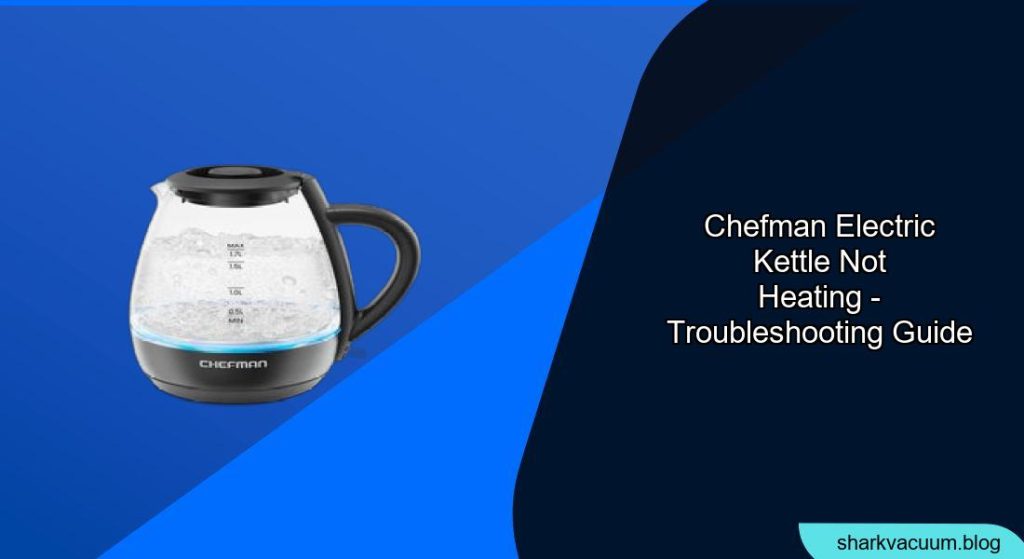
Having a Chefman electric kettle that won’t heat up can be incredibly frustrating, especially when you’re craving a hot beverage. This article provides a comprehensive guide to troubleshooting and fixing common issues preventing your Chefman electric kettle from heating. We’ll cover everything from basic checks to more advanced solutions, ensuring you can quickly get your kettle back in working order.
Why is Your Chefman Electric Kettle Not Heating?
An electric kettle that refuses to heat can stem from various reasons. It’s crucial to identify the root cause before attempting any fixes. Understanding the potential problems will streamline the troubleshooting process and save you time and effort.
Basic Checks and Preparation
Before diving into more complex solutions, let’s start with the basics. These simple checks can often resolve the issue without requiring technical expertise.
Tools and Materials:
- Small brush or cloth
- White vinegar
- Water
- Small screwdriver (if disassembly is required)
Preparation Steps:
- Unplug the Kettle: Always disconnect the kettle from the power outlet before troubleshooting.
- Allow to Cool: Ensure the kettle is completely cool to avoid burns.
- Read the Manual: Consult your Chefman kettle’s user manual for specific troubleshooting tips.
Troubleshooting Steps
1. Check the Power Supply
A faulty power supply is a common culprit. Make sure the outlet is functioning correctly by plugging in another device.
- Test the Outlet: Plug another appliance into the same outlet to verify it’s working.
- Inspect the Cord: Look for any signs of damage, such as fraying or exposed wires.
- Check the Base Connection: Ensure the kettle is properly seated on its base.
2. Descale the Kettle
Mineral buildup can interfere with the heating element. Descaling your kettle regularly is essential for optimal performance.
- Prepare the Solution: Mix equal parts white vinegar and water.
- Fill the Kettle: Pour the solution into the kettle, filling it about halfway.
- Boil and Soak: Turn on the kettle and let it boil. Once it shuts off, let the solution sit for at least an hour.
- Rinse Thoroughly: Discard the vinegar solution and rinse the kettle several times with clean water.
3. Reset the Kettle
Some kettles have a reset button that can resolve minor electrical glitches.
- Locate the Reset Button: Check the bottom of the kettle or the base for a reset button.
- Press and Hold: Press and hold the reset button for 5-10 seconds.
- Test the Kettle: Fill the kettle with water and try to heat it up again.
4. Examine the Heating Element
A damaged heating element will prevent the kettle from heating. Inspect it for any visible damage or corrosion.
- Visual Inspection: Look for any cracks, burns, or corrosion on the heating element.
- Test with Multimeter (Advanced): If you’re comfortable using a multimeter, test the heating element for continuity. A lack of continuity indicates a faulty element.
5. Check the Automatic Shut-Off Feature
The automatic shut-off feature might be malfunctioning, preventing the kettle from heating.
- Ensure Proper Closure: Make sure the lid is properly closed. The auto-shutoff mechanism may not engage if the lid is ajar.
- Test Manually: Observe if the kettle shuts off automatically after reaching boiling point. If it doesn’t, the shut-off mechanism might be faulty.
6. Inspect the Thermostat
The thermostat regulates the temperature and can cause heating issues if it’s defective.
- Locate the Thermostat: This is usually near the heating element.
- Check for Blockages: Ensure nothing is obstructing the thermostat.
- Professional Check: Thermostat issues often require professional repair or replacement.
7. Deal with Hard Water Buildup
Hard water can cause significant mineral deposits that affect the kettle’s performance. Regular cleaning is essential.
- Regular Descaling: Descale your kettle more frequently if you live in an area with hard water.
- Use Filtered Water: Consider using filtered water to reduce mineral buildup.
Practical Tips and Alternatives
Pro Tips
- Preventative Maintenance: Regularly descale your kettle to prevent mineral buildup.
- Use Filtered Water: Using filtered water can reduce mineral deposits and prolong the kettle’s life.
- Avoid Overfilling: Overfilling can cause water to spill into the electrical components, leading to damage.
Alternatives
- Stovetop Kettle: A traditional stovetop kettle is a reliable alternative that doesn’t rely on electricity.
- Hot Water Dispenser: A hot water dispenser provides instant hot water and can be a convenient option.
Troubleshooting Guide
| Problem | Possible Cause | Solution |
|---|---|---|
| Kettle won’t turn on | No power | Check outlet, cord, and base connection. |
| Kettle heats slowly | Mineral buildup | Descale the kettle with a vinegar solution. |
| Kettle doesn’t shut off | Faulty auto-shutoff mechanism | Ensure the lid is properly closed; consider professional repair if the issue persists. |
| Kettle trips circuit breaker | Electrical fault | Unplug the kettle and have it inspected by a professional. |
| Kettle has a burning smell | Overheating or electrical issue | Immediately unplug the kettle and have it inspected by a professional to prevent further damage. |
FAQ
Why does my Chefman kettle turn on but not heat?
The kettle might turn on but not heat due to mineral buildup on the heating element, a faulty thermostat, or a malfunctioning heating element. Descale the kettle, check the thermostat for obstructions, and inspect the heating element for damage.
How often should I descale my Chefman electric kettle?
Descale your kettle every 1-3 months, depending on the hardness of your water. If you notice mineral deposits forming quickly, descale it more frequently.
Can I use something other than vinegar to descale my kettle?
Yes, you can use citric acid or a commercial descaling solution. Follow the instructions on the product label. Ensure you rinse the kettle thoroughly after descaling.
What do I do if the reset button doesn’t work?
If the reset button doesn’t work, try unplugging the kettle for a few minutes and then plugging it back in. If it still doesn’t work, there may be a more significant electrical issue that requires professional attention.
Is it safe to use a kettle with a damaged cord?
No, it is not safe to use a kettle with a damaged cord. A damaged cord can cause electrical shock or fire. Replace the cord or the entire kettle if the cord is damaged.
How do I prevent mineral buildup in my kettle?
To prevent mineral buildup, use filtered water, descale your kettle regularly, and empty the kettle after each use to prevent water from sitting and depositing minerals.
Tips, Warnings, and Best Practices
- Safety First: Always unplug the kettle before cleaning or troubleshooting.
- Avoid Abrasive Cleaners: Do not use abrasive cleaners or scrub brushes, as they can damage the kettle’s surface.
- Regular Maintenance: Regular descaling and cleaning will prolong the life of your kettle.
- Do Not Submerge: Never submerge the kettle or base in water, as this can cause electrical damage.
- Professional Help: If you’re uncomfortable performing any of these steps, consult a qualified appliance repair technician.
Conclusion
A Chefman electric kettle that won’t heat can be a minor inconvenience or a major disruption. By following these troubleshooting steps, you can often resolve the issue quickly and efficiently. Remember to prioritize safety and perform regular maintenance to keep your kettle in top working condition.
If you’ve tried these steps and your kettle still isn’t working, it may be time to consider a replacement. With the right care, your Chefman electric kettle can provide you with hot water for years to come, making your daily tea or coffee ritual a breeze.