
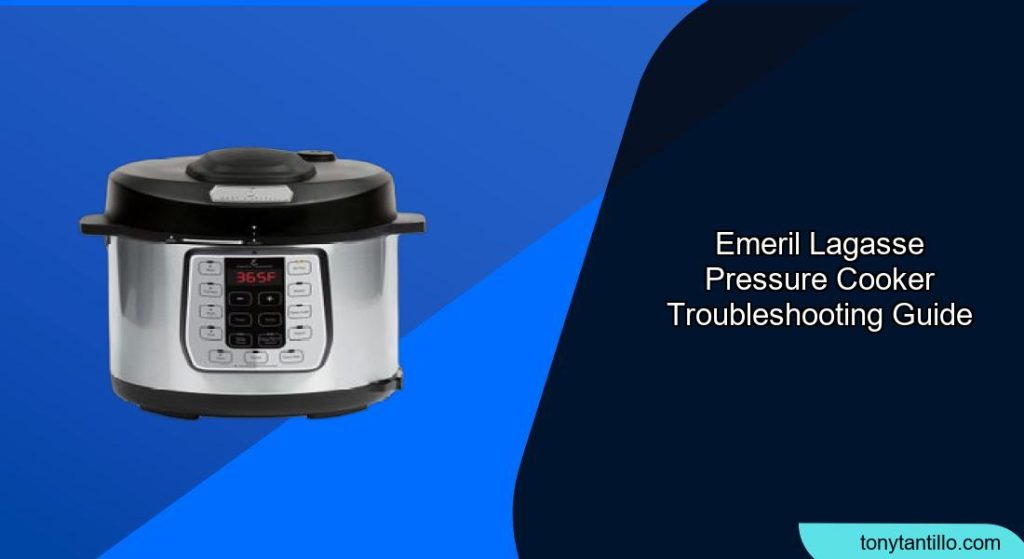
Having trouble with your Emeril Lagasse pressure cooker? Don’t worry, you’re not alone! Many users encounter common issues. This guide provides solutions to frequently faced problems, ensuring you get back to creating delicious meals quickly and safely.
The Emeril Lagasse pressure cooker is designed to simplify cooking, but sometimes things don’t go as planned. Whether it’s a sealing problem, error code, or pressure issue, understanding how to troubleshoot is essential. This article will help you identify the problem, implement practical solutions, and prevent future issues.
We’ll cover everything from basic checks to more advanced troubleshooting steps. By following this guide, you’ll be able to confidently use your Emeril Lagasse pressure cooker and enjoy perfectly cooked meals every time. Let’s dive in and get your pressure cooker working like new again!
Common Emeril Lagasse Pressure Cooker Problems and Solutions
Several common issues can arise when using an Emeril Lagasse pressure cooker. Addressing these promptly will keep your appliance running smoothly. Here are some problems and their solutions.
The Pressure Cooker Won’t Turn On
If your Emeril Lagasse pressure cooker refuses to power on, the first thing to check is the power source. Make sure the appliance is correctly plugged into a functioning outlet.
- Check the Power Cord: Ensure the power cord is securely connected to both the pressure cooker and the wall outlet. A loose connection can prevent the unit from turning on.
- Examine the Outlet: Plug another appliance into the same outlet to verify it’s working. If the outlet isn’t working, try a different one.
- Inspect the Fuse/Circuit Breaker: Check your home’s fuse box or circuit breaker panel to see if a fuse has blown or a circuit breaker has tripped. Reset the breaker or replace the fuse if necessary.
- Reset the Cooker: Some models have a reset button. Refer to your user manual to locate and press the reset button.
The Pressure Cooker Isn’t Building Pressure
One of the most common issues is the pressure cooker not building pressure. This problem can stem from various factors, all of which are relatively easy to troubleshoot.
- Check the Sealing Ring: The sealing ring is crucial for creating an airtight environment. Ensure it is correctly installed, clean, and free from cracks or damage. A damaged sealing ring should be replaced.
- Verify the Lid is Properly Sealed: The lid must be correctly aligned and locked into place. Most pressure cookers have an indicator to show when the lid is securely sealed.
- Ensure the Pressure Release Valve is Closed: The pressure release valve, also known as the steam valve, must be in the sealed position. If it’s open, steam will escape, and pressure won’t build.
- Check the Amount of Liquid: Pressure cookers need sufficient liquid to create steam. Ensure you’ve added the minimum amount of liquid specified in your recipe or the cooker’s manual.
Food is Burning in the Pressure Cooker
Burning food is a frustrating problem, often resulting from insufficient liquid or improper settings. Here’s how to prevent it.
- Use Enough Liquid: Always follow the recipe’s liquid guidelines. The liquid is necessary to create steam and prevent food from sticking to the bottom.
- Check the Cooking Time: Ensure you are using the correct cooking time for the specific food. Overcooking can lead to burning.
- Release Pressure Immediately After Cooking: Once the cooking cycle is complete, release the pressure immediately to prevent the food from continuing to cook and potentially burn.
- Use the Correct Setting: Some pressure cookers have different settings for various types of food. Make sure you select the appropriate setting to prevent burning.
The Pressure Cooker is Leaking Steam
Steam escaping from the pressure cooker indicates a sealing problem. Here’s how to address it effectively.
- Inspect the Sealing Ring: Check the sealing ring for damage or improper installation. Clean it thoroughly and ensure it’s correctly seated in the lid.
- Check the Lid: Make sure the lid is properly aligned and securely locked. Any misalignment can cause steam to leak.
- Examine the Pressure Release Valve: Verify that the pressure release valve is in the sealed position. If it’s leaking, try adjusting its position to ensure a tight seal.
- Clean the Rim: Food particles or debris on the rim of the pot can prevent a proper seal. Clean the rim thoroughly before each use.
Troubleshooting Error Codes
Error codes can appear on the display panel, indicating specific problems. Here’s how to interpret and resolve some common error codes.
Note: Always refer to your user manual for specific error code definitions.
E1 or E2 Error Code
These codes generally indicate a problem with the temperature sensor.
- Check the Sensor: Ensure the temperature sensor is clean and free from obstructions.
- Restart the Cooker: Turn off the pressure cooker, wait a few minutes, and then turn it back on.
- Contact Support: If the error persists, contact Emeril Lagasse customer support for assistance.
E3 or E4 Error Code
These codes often point to a pressure issue, either too high or too low.
- Check the Pressure Release Valve: Ensure the valve is correctly positioned and functioning correctly.
- Verify the Sealing Ring: Make sure the sealing ring is properly installed and in good condition.
- Adjust Liquid Levels: Ensure you have the correct amount of liquid in the pot.
E5 Error Code
This code typically indicates an overheating issue.
- Allow to Cool: Turn off the pressure cooker and allow it to cool completely before attempting to use it again.
- Check for Food Blockage: Ensure that there are no food particles blocking the steam release valve or any other part of the cooker.
- Reduce Cooking Time: Consider reducing the cooking time or temperature in future uses to prevent overheating.
Practical Tips for Emeril Lagasse Pressure Cooker Maintenance

Regular maintenance ensures your pressure cooker remains in optimal condition. Follow these practical tips to extend its lifespan.
- Clean After Each Use: Always clean the pressure cooker after each use. Remove the pot, sealing ring, and any other removable parts and wash them with warm, soapy water.
- Inspect the Sealing Ring: Regularly inspect the sealing ring for signs of wear and tear. Replace it as needed to maintain a proper seal.
- Store Properly: Store the pressure cooker in a cool, dry place. Ensure all parts are dry before storing to prevent mold or mildew growth.
- Check the Valve Regularly: Periodically check the pressure release valve to ensure it’s free from debris and functioning correctly.
FAQ
What do I do if the pressure cooker lid is stuck?
If the lid is stuck, it’s usually due to residual pressure. Try releasing any remaining pressure by carefully moving the pressure release valve to the venting position. If that doesn’t work, allow the cooker to cool completely before attempting to open the lid.
How often should I replace the sealing ring?
The sealing ring should be replaced every 12-18 months, or sooner if you notice any cracks, hardening, or if it becomes less effective at sealing. Regular inspection will help you determine when a replacement is needed.
Can I use any sealing ring for my Emeril Lagasse pressure cooker?
No, always use a sealing ring specifically designed for your model of Emeril Lagasse pressure cooker. Using the wrong size or type can lead to sealing issues and potential safety hazards.
What if my food is consistently undercooked?
Ensure you are using the correct cooking time and pressure settings for the type of food you are preparing. Also, make sure the pressure cooker is reaching the correct pressure level. If issues persist, the pressure cooker might have a faulty pressure sensor.
Tips, Warnings, and Best Practices
- Safety First: Always prioritize safety when troubleshooting a pressure cooker. Never force the lid open if there is still pressure inside.
- Read the Manual: Keep your user manual handy. It contains specific troubleshooting steps and safety information for your model.
- Use Recommended Accessories: Only use accessories and replacement parts recommended by Emeril Lagasse.
- Don’t Overfill: Never fill the pressure cooker beyond the maximum fill line, as this can cause pressure issues and potential hazards.
Conclusion
Troubleshooting your Emeril Lagasse pressure cooker doesn’t have to be daunting. By understanding common issues and implementing the solutions outlined in this guide, you can keep your appliance running smoothly and safely.
Remember to regularly maintain your pressure cooker, inspect parts for wear and tear, and always prioritize safety. With these tips, you’ll be back to enjoying delicious, perfectly cooked meals in no time. Happy cooking!