
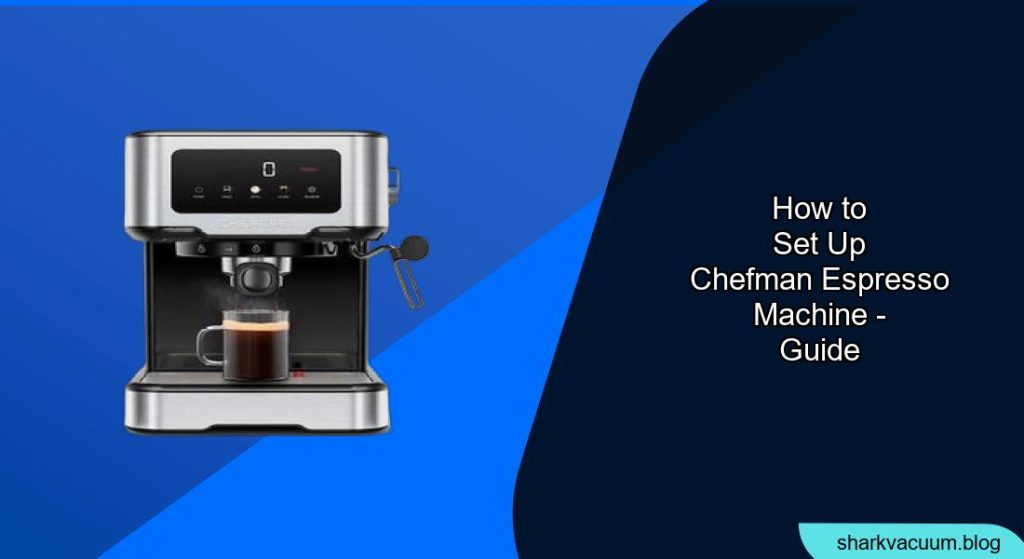
Are you excited to enjoy barista-quality espresso at home with your new Chefman espresso machine? Setting up your machine correctly is crucial for optimal performance and delicious results. Many users find the initial setup a bit daunting, but with clear instructions, you’ll be pulling perfect shots in no time. This guide walks you through each step, from initial cleaning to your first espresso.
This article provides comprehensive instructions on how to properly set up your Chefman espresso machine for optimal performance. By following these steps, you’ll avoid common pitfalls, ensure your machine operates efficiently, and enjoy consistently delicious espresso. Whether you’re a beginner or experienced home barista, this guide will help you master your Chefman espresso machine. Let’s get started and unlock the potential of your new appliance.
Unboxing and Initial Cleaning

Before you even think about brewing, it’s essential to unbox your Chefman espresso machine carefully and give it a thorough cleaning. This removes any manufacturing residue and ensures the best possible taste.
- Carefully Unbox: Remove all packaging materials, including any plastic films or cardboard inserts.
- Wash Removable Parts: Detach the water tank, drip tray, portafilter, and any other removable components. Wash them with warm, soapy water. Rinse thoroughly and allow to air dry.
- Wipe Down the Machine: Use a damp cloth to wipe down the exterior of the espresso machine.
- Run a Cleaning Cycle: Fill the water tank with fresh, filtered water. Turn on the machine and run a full brewing cycle without any coffee grounds. This will flush out any remaining residue from the internal components. Repeat this process 2-3 times.
Assembling the Components
Once everything is clean and dry, it’s time to assemble your Chefman espresso machine.
- Attach the Drip Tray: Slide the drip tray into its designated slot at the base of the machine.
- Install the Water Tank: Place the water tank securely onto the back of the machine, ensuring it clicks into place.
- Insert the Portafilter: Align the portafilter with the group head (where the espresso comes out) and twist it firmly into place. Make sure it’s locked in tightly to create a proper seal.
Priming the Machine
Priming the machine is an important step to ensure water flows correctly and the internal components are properly lubricated.
- Fill the Water Tank: Ensure the water tank is filled with fresh, filtered water.
- Turn On the Machine: Power on your Chefman espresso machine and allow it to heat up. The indicator light will usually turn on when it’s ready.
- Run Water Through the Group Head: Without any coffee grounds in the portafilter, run a full brewing cycle. This will draw water from the tank, through the machine’s internal components, and out through the group head.
- Repeat if Necessary: If the water flow is uneven or sputtering, repeat the priming process until you have a smooth, consistent stream of water.
Preparing Your First Espresso Shot
Now for the exciting part – brewing your first espresso!
- Grind Your Beans: Use freshly roasted, finely ground espresso beans for the best flavor. A burr grinder is recommended for consistent results.
- Dose the Portafilter: Add the appropriate amount of ground coffee to the portafilter (usually around 14-18 grams for a double shot).
- Tamp the Grounds: Use a tamper to evenly compress the coffee grounds in the portafilter. Apply firm, consistent pressure (around 30 pounds) to create a level surface.
- Insert the Portafilter: Lock the portafilter into the group head.
- Start Brewing: Place your espresso cup(s) under the group head and start the brewing cycle.
- Monitor the Extraction: Watch the espresso as it flows into your cup. A good shot will have a rich, dark color and a thick crema (the foamy layer on top).
- Stop the Brewing Cycle: Manually stop the brewing cycle when you’ve extracted the desired amount of espresso (usually around 25-30 seconds for a double shot).
Tips, Warnings, and Best Practices
- Use Filtered Water: Always use filtered water in your espresso machine to prevent mineral buildup and ensure the best taste.
- Clean Regularly: Clean your machine regularly to maintain optimal performance. Backflush the group head and descale the machine according to the manufacturer’s instructions.
- Experiment with Grind Size: The grind size is crucial for a good espresso shot. Experiment with different grind settings until you find the sweet spot for your beans and machine.
- Don’t Over-Tamp: Over-tamping can restrict water flow and result in a bitter, under-extracted shot.
- Watch for Leaks: Check for any leaks around the portafilter or water tank. If you notice any leaks, tighten the connections or replace any worn-out seals.
- Never leave the machine unattended while brewing.
- Always unplug the machine before cleaning or performing maintenance.
Troubleshooting Common Problems

- Problem: Espresso is weak and watery.
- Solution: Grind your beans finer, use more coffee grounds, tamp harder, or check if the machine needs descaling.
- Problem: Espresso is bitter and burnt.
- Solution: Grind your beans coarser, use less coffee grounds, tamp lighter, or shorten the brewing time.
- Problem: No espresso is coming out.
- Solution: Make sure the water tank is full, the machine is properly primed, and the portafilter is securely locked in place. Check for any clogs in the group head or portafilter.
- Problem: Machine is making loud noises.
- Solution: This could indicate air in the system. Try running a priming cycle or descaling the machine. If the noise persists, contact customer support.
- Problem: The espresso is spurting out unevenly.
- Solution: The tamping was likely uneven. Ensure even pressure when tamping, and that the grounds are evenly distributed.
FAQ
How often should I descale my Chefman espresso machine?
Descaling frequency depends on your water hardness and usage. Generally, descale every 2-3 months, or more often if you notice mineral buildup or reduced performance. Use a descaling solution specifically designed for espresso machines.
What type of coffee beans are best for espresso?
Freshly roasted, high-quality Arabica beans are generally considered best for espresso. Look for beans labeled “espresso roast” or with notes of chocolate, nuts, or caramel. Experiment with different origins and roasts to find your preference.
How do I clean the milk frother on my Chefman espresso machine?
After each use, wipe the milk frother wand with a damp cloth. Periodically, you can also purge the frother by running steam through it to clear any milk residue. For a more thorough cleaning, some models allow you to remove the frother tip for soaking in warm, soapy water.
Can I use pre-ground coffee in my Chefman espresso machine?
Yes, you can use pre-ground coffee, but freshly ground beans will always provide a better flavor. If using pre-ground, store it in an airtight container in a cool, dark place. Make sure the grind size is appropriate for espresso (fine).
What does tamping do for espresso?
Tamping compresses the coffee grounds in the portafilter, creating resistance that forces the water to evenly saturate the grounds. This even saturation is crucial for extracting the optimal flavor and creating a rich, balanced espresso shot.
My espresso tastes sour. What am I doing wrong?
A sour taste in espresso typically indicates under-extraction. This means the water isn’t extracting enough of the desirable compounds from the coffee grounds. Try grinding finer, increasing the brewing time, or using a higher water temperature (if your machine allows adjustment).
Conclusion
Setting up your Chefman espresso machine might seem tricky at first, but with these simple steps, you’ll be creating café-quality espresso in the comfort of your own home. Remember to clean your machine regularly, experiment with grind sizes and tamping pressure, and enjoy the process of perfecting your espresso skills. Now that you know how to properly set up your Chefman espresso machine, you can enjoy delicious, barista-quality coffee any time you want. Happy brewing!