
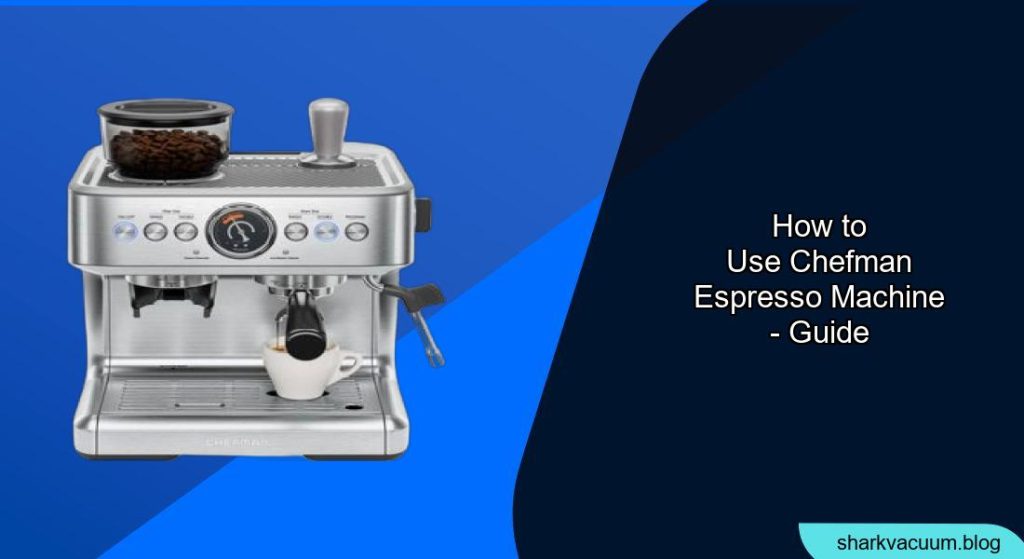
So, you’ve got a Chefman espresso machine and you’re ready to dive into the world of homemade espresso. But where do you start? Making espresso at home can seem intimidating, but with the right guidance, you’ll be pulling delicious shots in no time. This guide will walk you through everything you need to know about using your Chefman espresso machine, from initial setup to troubleshooting common issues.
This comprehensive guide covers everything from setting up your machine for the first time to mastering the art of frothing milk for lattes and cappuccinos. We’ll also delve into essential maintenance tips to keep your machine running smoothly for years to come. Whether you’re a complete beginner or just looking to refine your technique, this guide will equip you with the knowledge and confidence to create café-quality espresso drinks in the comfort of your own home.
1. Unboxing and Initial Setup of Your Chefman Espresso Machine
Before you start pulling shots, you need to properly set up your machine. Here’s how:
- Unpack all components: Carefully remove the espresso machine and all its accessories from the box. Make sure you have all the parts listed in the manual, including the portafilter, filter baskets (single and double shot), tamper, and water tank.
- Clean the machine: Wipe down the exterior of the machine with a damp cloth. Wash the water tank, portafilter, and filter baskets with warm, soapy water. Rinse thoroughly and dry completely.
- Prime the machine: Fill the water tank with fresh, filtered water to the maximum fill line. Plug in the machine and turn it on. Follow the manufacturer’s instructions for priming the machine. This usually involves running water through the machine without coffee to remove any manufacturing residue and ensure proper operation.
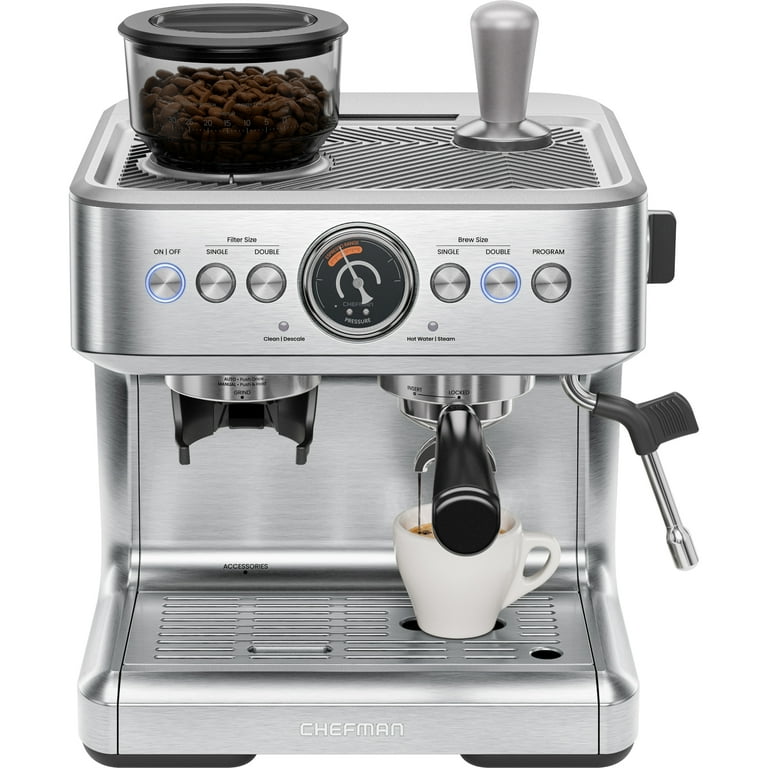
- Familiarize yourself with the controls: Take some time to understand the different buttons and settings on your Chefman espresso machine. Refer to the user manual for detailed explanations of each function.
2. Grinding Your Coffee Beans
The quality of your espresso starts with the coffee beans. Freshly ground beans are crucial for a rich, flavorful shot.
- Use high-quality beans: Invest in freshly roasted, whole bean coffee specifically labeled for espresso. Look for a roast level that suits your taste preference (darker roasts are typically preferred for espresso).
- Grind your beans: Use a burr grinder for the most consistent grind size. A fine grind is essential for espresso. If the grind is too coarse, the water will pass through too quickly, resulting in a weak, sour shot. If it’s too fine, the machine may struggle to extract the espresso, leading to a bitter taste.
- Grind immediately before brewing: Coffee beans lose their flavor quickly once ground, so it’s best to grind them right before you’re ready to make espresso.
3. Preparing the Portafilter

The portafilter is the handle that holds the filter basket containing the ground coffee.
- Fill the filter basket: Use the appropriate filter basket for a single or double shot of espresso. Overfill the basket slightly with ground coffee.
- Tamp the coffee: Use the tamper to firmly and evenly compress the coffee grounds in the filter basket. Apply about 30 pounds of pressure. The goal is to create a compact puck of coffee that the water can pass through evenly.
- Clean the rim: Wipe any excess coffee grounds from the rim of the portafilter to ensure a proper seal with the machine.
4. Brewing Your Espresso
Now for the moment you’ve been waiting for – brewing your espresso!
- Insert the portafilter: Securely lock the portafilter into the brew head of the espresso machine.
- Select your shot: Choose whether you want a single or double shot of espresso by pressing the corresponding button on the machine.
- Start the brew: Press the brew button and watch as the espresso begins to flow into your cup.
- Stop the brew: The machine may automatically stop the brew cycle after a pre-determined amount of time or volume. If not, manually stop the brew when you have reached your desired amount of espresso (typically 1-2 ounces for a double shot).
5. Frothing Milk (Optional)
If you want to make lattes, cappuccinos, or other milk-based espresso drinks, you’ll need to froth milk.
- Choose your milk: Whole milk is generally considered the best for frothing due to its higher fat content, but you can also use non-dairy alternatives like oat milk or almond milk.
- Purge the steam wand: Before frothing, briefly open the steam valve to release any condensation.
- Position the steam wand: Submerge the tip of the steam wand just below the surface of the milk.
- Start frothing: Open the steam valve and slowly lower the milk pitcher as the milk expands. The goal is to create a vortex that incorporates air into the milk, creating microfoam.
- Adjust the wand: Continue frothing until the milk has doubled in volume and has a glossy, velvety texture.
- Stop and swirl: Close the steam valve and gently swirl the milk to integrate the foam and liquid.
- Clean the steam wand: Immediately wipe down the steam wand with a damp cloth to remove any milk residue. Purge the wand again to prevent blockages.
6. Cleaning and Maintenance
Regular cleaning and maintenance are essential for keeping your Chefman espresso machine in top condition.
- Daily cleaning: After each use, wipe down the machine, clean the portafilter and filter basket, and empty the drip tray.
- Descaling: Descale the machine every 1-3 months, depending on water hardness. Use a descaling solution specifically designed for espresso machines. Follow the manufacturer’s instructions for descaling.
- Backflushing: Some Chefman espresso machines have a backflushing function. Backflushing helps to remove coffee oils and residue from the brew head. Consult your user manual for instructions on how to backflush your machine.
7. Troubleshooting Common Problems
Even with proper use, you may encounter some common problems with your Chefman espresso machine. Here are some solutions:
- Weak espresso: This could be due to a coarse grind, insufficient tamping, or not enough coffee. Adjust your grind, tamp more firmly, and use the appropriate amount of coffee.
- Bitter espresso: This could be due to a fine grind, over-extraction, or stale coffee beans. Adjust your grind, shorten the brew time, and use fresh beans.
- No espresso: Make sure the water tank is full, the machine is properly primed, and the portafilter is securely locked in place.
- Steam wand not working: Check for blockages in the steam wand. Use a pin or paperclip to clear any obstructions.
FAQ
How often should I clean my Chefman espresso machine?
You should wipe down your machine and clean the portafilter and filter basket after each use. Descale the machine every 1-3 months, depending on water hardness.
What type of coffee beans should I use in my Chefman espresso machine?
Use high-quality, freshly roasted whole bean coffee specifically labeled for espresso.
Can I use pre-ground coffee in my Chefman espresso machine?
While you can use pre-ground coffee, it’s not recommended. Freshly ground beans provide the best flavor and aroma.
How do I know if my espresso grind is correct?
The ideal espresso grind should be fine but not too powdery. It should feel slightly gritty between your fingers.
My espresso is coming out too fast. What should I do?
Your grind is likely too coarse. Try grinding your beans finer. You may also need to tamp the coffee more firmly.
My espresso is coming out too slow. What should I do?
Your grind is likely too fine. Try grinding your beans coarser.
Tips, Warnings, and Best Practices
- Use filtered water: Filtered water will improve the taste of your espresso and help to prevent mineral buildup in the machine.
- Preheat your cups: Preheating your cups will help to keep your espresso warm.
- Experiment with different grind sizes and tamping pressures: Finding the perfect combination for your machine and beans may require some experimentation.
- Never leave the machine unattended while it is operating.
- Always unplug the machine before cleaning or performing maintenance.
Conclusion
Mastering the art of using a Chefman espresso machine takes practice, but with this guide, you’re well on your way to enjoying delicious, café-quality espresso drinks at home. Remember to start with fresh, high-quality beans, grind them properly, and tamp firmly.
Consistent cleaning and maintenance will keep your machine running smoothly for years to come. Now, go forth and create some amazing espresso! Upgrade your coffee experience today and enjoy the rich, bold flavors of homemade espresso.