
Pressure cookers have made a comeback in modern kitchens due to their efficiency and ability to retain the nutrients and flavors of food. The COSORI pressure cooker stands out with its user-friendly interface and multiple functions, making it an excellent tool for busy individuals and families.
If you’re looking to reduce meal preparation time and enjoy delicious, home-cooked meals, learning to use your COSORI pressure cooker effectively is essential. This article will walk you through the basics, from initial setup to advanced cooking techniques, ensuring you get the most out of your appliance.
Getting Started with Your COSORI Pressure Cooker
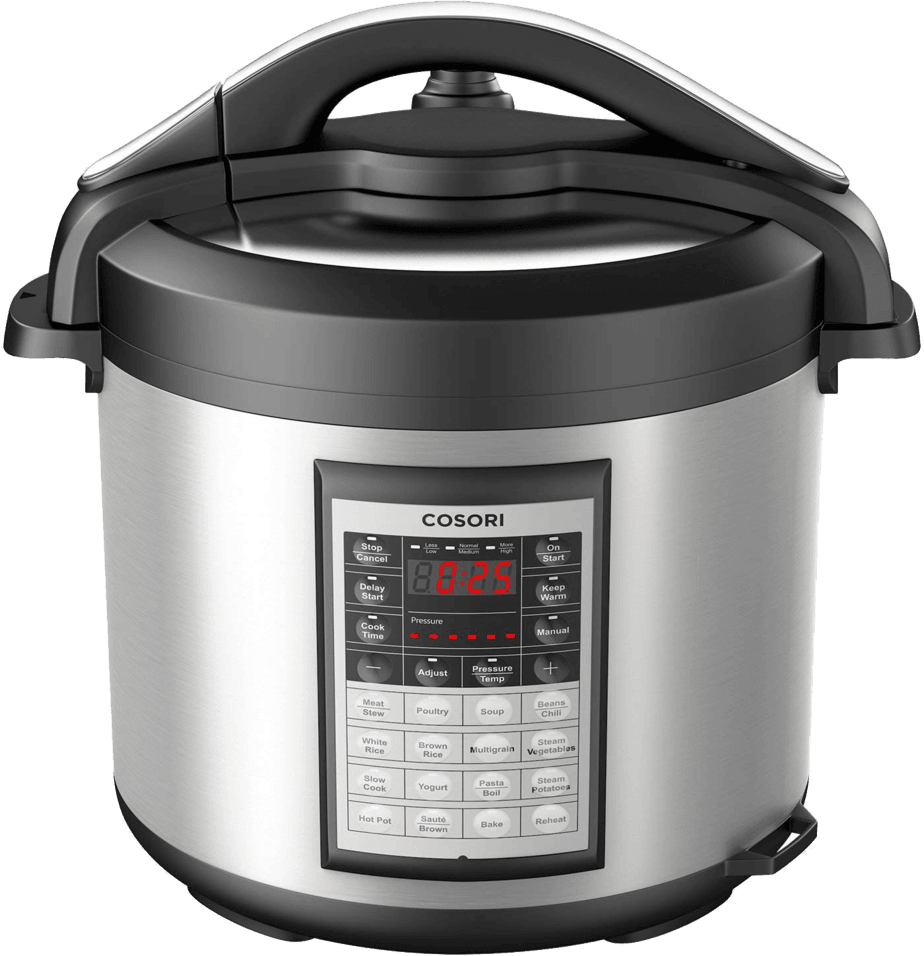
Before you start cooking, it’s important to familiarize yourself with the parts of your COSORI pressure cooker and how they function. Here’s a quick overview:
- Pressure Cooking Lid: Designed with a sealing ring to lock in pressure and ensure safe operation.
- Sealing Ring: Creates an airtight seal between the lid and the inner pot.
- Anti-Block Shield: Prevents food particles from clogging the steam release valve.
- Float Valve: Indicates the pressure level inside the cooker; it rises when pressure builds and drops when pressure is released.
- Inner Pot: Where you place your ingredients for cooking.
- Steam Rack: Used to elevate food above the liquid, which is useful for steaming.
Initial Setup
- Unboxing: Remove all packaging materials from the pressure cooker and its components.
- Cleaning: Wash the inner pot, lid, sealing ring, and steam rack with warm, soapy water. Ensure all parts are thoroughly dried before use.
- Positioning the Sealing Ring: Make sure the sealing ring is correctly placed inside the lid. Press it firmly to ensure it’s snug and secure.
- Test Run: Add 2-3 cups of water to the inner pot and run a short pressure cooking cycle to ensure the cooker is working properly. This also helps remove any residual manufacturing odors.
Basic Operation
- Adding Ingredients: Place your ingredients into the inner pot. Ensure there is enough liquid, as it is essential for pressure cooking.
- Locking the Lid: Align the lid with the cooker body, matching the orange dots, and twist to lock it in place. The lid should be firmly sealed.
- Setting the Steam Release Valve: Ensure the steam release valve is in the “Sealing” position to build pressure.
- Selecting a Cooking Function: Use the control panel to choose the appropriate cooking function (e.g., “Meat/Stew,” “Rice,” “Soup”). You can also manually set the cooking time and pressure level.
- Starting the Cooking Process: Press the “Start” button to begin cooking. The cooker will start preheating, and the timer will begin once the desired pressure is reached.
- Releasing Pressure: Once the cooking cycle is complete, you can release the pressure using either the quick release or natural release method.
Understanding Pressure Release Methods

There are two primary methods for releasing pressure in a COSORI pressure cooker:
- Quick Release:
- Carefully move the steam release valve to the “Venting” position.
- Steam will rapidly escape from the cooker.
- Use caution to avoid steam burns.
- Quick release is suitable for recipes where you want to stop the cooking process immediately.
- Natural Release:
- Allow the pressure to dissipate naturally over time. This can take 10-30 minutes or longer.
- The float valve will drop when the pressure is fully released.
- Natural release is best for recipes where continued cooking is beneficial, such as soups and stews.
Safety Tips for Releasing Pressure
- Never place your face or hands directly over the steam release valve when venting.
- Use a utensil to move the steam release valve to avoid burns.
- Ensure the float valve has completely dropped before attempting to open the lid.
Exploring the Cooking Functions
COSORI pressure cookers come with a variety of preset cooking functions to make meal preparation easier. Here’s a breakdown of some common functions:
- Pressure Cook: Manually set the cooking time and pressure level for customized recipes.
- Meat/Stew: Ideal for cooking tough cuts of meat, stews, and roasts.
- Poultry: Designed for cooking chicken and other poultry dishes.
- Rice: Automatically cooks rice to the perfect consistency.
- Soup: Perfect for making hearty soups and broths.
- Beans/Chili: Suited for cooking beans, lentils, and chili.
- Sauté: Use this function to brown or sauté ingredients before pressure cooking.
- Slow Cook: Turns your pressure cooker into a slow cooker for long, low-temperature cooking.
- Yogurt: Allows you to make homemade yogurt.
- Cake: For baking moist and delicious cakes.
Tips for Using Cooking Functions
- Refer to the recipe book for recommended cooking times and settings for each function.
- Adjust the cooking time based on the quantity and type of food.
- Experiment with different functions to discover your favorite ways to use the pressure cooker.
Step-by-Step Guide: Cooking Rice
Cooking rice in a COSORI pressure cooker is simple and yields perfectly cooked grains every time. Here’s how:
- Rinse the Rice: Rinse the rice under cold water to remove excess starch.
- Add Rice and Water: Add the rinsed rice to the inner pot, followed by water. A general ratio is 1:1 for white rice (1 cup of rice to 1 cup of water).
- Seasoning (Optional): Add a pinch of salt or a small amount of butter or oil for added flavor.
- Close and Lock the Lid: Ensure the lid is properly sealed and the steam release valve is in the “Sealing” position.
- Select the Rice Function: Choose the “Rice” function on the control panel.
- Start Cooking: Press the “Start” button.
- Natural Pressure Release: Allow the pressure to release naturally for about 10 minutes, then carefully perform a quick release if needed.
- Fluff and Serve: Open the lid, fluff the rice with a fork, and serve.
Mastering the Sauté Function
The Sauté function allows you to brown meats or sauté vegetables directly in the pressure cooker before pressure cooking. This adds depth of flavor to your dishes.
- Turn on Sauté Function: Press the “Sauté” button on the control panel.
- Add Oil: Add oil to the inner pot and allow it to heat up. Wait until the display reads “Hot” to ensure proper searing.
- Brown Ingredients: Add your meat or vegetables and cook until browned, stirring occasionally.
- Cancel Sauté Function: Press the “Cancel” button to stop the Sauté function before proceeding with pressure cooking.
- Continue Recipe: Add remaining ingredients and follow the recipe’s pressure cooking instructions.
Care and Maintenance
Proper care and maintenance will extend the life of your COSORI pressure cooker and ensure safe operation.
- Regular Cleaning: Clean the inner pot, lid, sealing ring, and steam rack after each use.
- Sealing Ring: Remove and wash the sealing ring regularly to prevent odors and ensure a tight seal. Replace the sealing ring if it becomes cracked or worn.
- Anti-Block Shield: Clean the anti-block shield to prevent clogging of the steam release valve.
- Condensation Collector: Empty the condensation collector after each use.
- Cleaning the Base: Wipe the pressure cooker base with a damp cloth. Do not immerse the base in water.
- Storage: Store the pressure cooker in a cool, dry place.
Troubleshooting Common Issues
Even with proper use, you may encounter some common issues. Here are a few troubleshooting tips:
- Pressure Cooker Not Building Pressure:
- Ensure the sealing ring is properly installed.
- Check that the steam release valve is in the “Sealing” position.
- Make sure there is enough liquid in the inner pot.
- Food Burning:
- Use enough liquid to cover the bottom of the pot.
- Layer starches and sauces on top of other ingredients.
- Use the steam rack to elevate meats.
- Steam Leaking from the Sides:
- Ensure the lid is properly locked.
- Check the sealing ring for damage and replace if necessary.
- Lid Stuck:
- Ensure all pressure has been released before attempting to open the lid.
- Pour cold water on the lid to release excess pressure.
Tips, Warnings, and Best Practices
- Read the Manual: Always read the user manual before using your COSORI pressure cooker.
- Use Enough Liquid: Ensure there is always enough liquid in the pot to generate steam and prevent burning.
- Don’t Overfill: Do not fill the pot more than 2/3 full, especially when cooking foods that expand, like rice and beans.
- Inspect the Sealing Ring: Regularly inspect the sealing ring for cracks or damage.
- Keep the Steam Release Valve Clean: Ensure the steam release valve is free from debris.
- Supervise During Quick Release: Be cautious when performing a quick release, as the steam is very hot and can cause burns.
- Avoid Cooking Certain Foods: Do not cook foods that may expand and clog the steam release valve, such as applesauce, cranberries, and pasta.
FAQ
What is the ideal water-to-rice ratio for cooking rice?
The ideal water-to-rice ratio is generally 1:1 for white rice. However, you may need to adjust slightly depending on the type of rice you are using.
How do I prevent my food from burning in the pressure cooker?
Ensure there is enough liquid in the pot, and layer starches and sauces on top of other ingredients to create a barrier. Using the steam rack can also help prevent burning.
What should I do if the pressure cooker is not building pressure?
Check that the sealing ring is properly installed, the steam release valve is in the “Sealing” position, and there is enough liquid in the inner pot.
How often should I replace the sealing ring?
Replace the sealing ring every 12-18 months, or sooner if it becomes cracked, brittle, or develops a lingering odor.
Can I use any lid with my COSORI pressure cooker?
No, only use the original pressure cooking lid. Using any other lid may cause injury.
How do I eliminate lingering odors from the sealing ring?
You can try washing the sealing ring in the dishwasher or soaking it in a solution of vinegar and water. If the odor persists, consider replacing the sealing ring.
Conclusion
Mastering the COSORI pressure cooker can significantly enhance your cooking experience, making meal preparation faster, easier, and more enjoyable. By following this comprehensive guide, you’ll be well-equipped to create a wide range of delicious and nutritious meals.
Remember to prioritize safety, maintain your appliance properly, and experiment with different recipes and cooking functions to discover the full potential of your COSORI pressure cooker.