
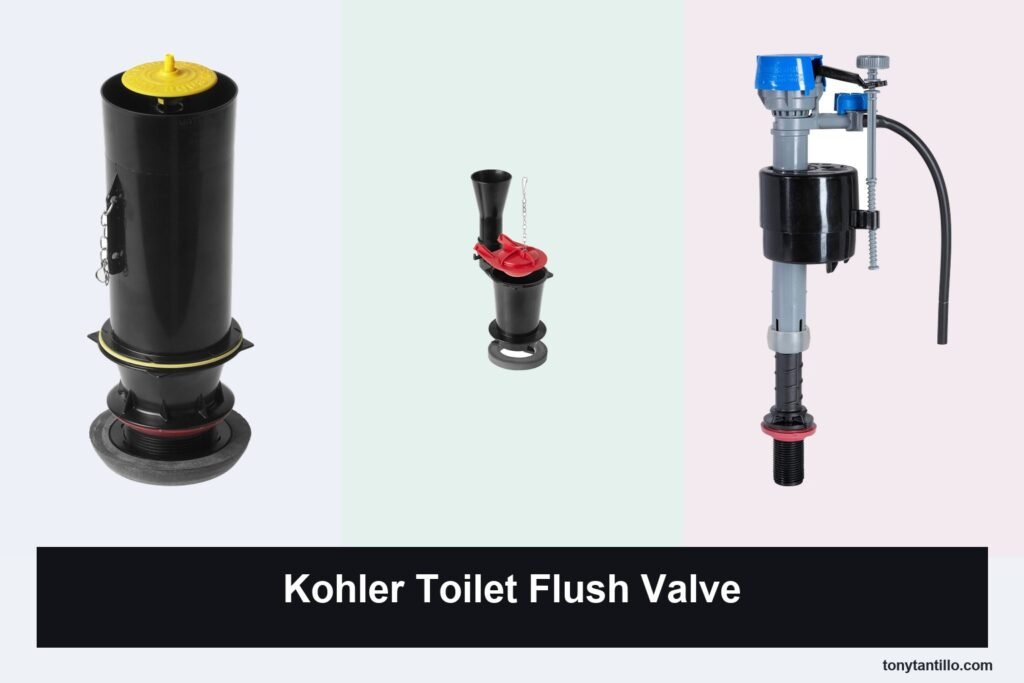
A toilet that leaks, flushes weakly, or fills inconsistently usually points to one of two parts: the flush side inside the tank or the fill control that restores water after each use. For buyers searching for a kohler toilet flush valve, the real challenge is not just finding a replacement part. It is finding the right replacement architecture, the correct tank match, and the level of compatibility that keeps the repair from turning into a second project. The best choices are the ones that preserve the tank’s intended performance without forcing guesswork.
These three picks cover two very different repair paths. Two are genuine Kohler flush valve kits built for Kohler tank compatibility, while the third is a widely used universal fill valve that solves a different but equally important toilet problem. That distinction matters because a smart purchase depends on whether you need a direct rebuild, a tank-specific replacement, or a broader fill-side fix. The sections below focus on fit, durability, installation implications, and the practical tradeoffs that matter when a toilet is out of service.
Top Kohler Toilet Flush Valve on the Market

Kohler 1188998 Canister Flush Valve Kit
Best Kohler Direct Fit
- 3″ canister, 2″ outlet
- Fits Cimarron tank models
- Complete assembly included
- WaterSense specification met
- Brass and metal construction

Kohler 1044458 Flush Valve Kit
Best Simple Rebuild
- Replacement flush valve kit
- 2-inch thread size
- Flare inlet connection
- Metal construction
- One-piece kit

Fluidmaster 400H Universal Fill Valve
Best Universal Upgrade
- Universal fit for most toilets
- Adjustable 9-14 inch height
- Tank and bowl dials
- Anti-siphon design
- 7-year warranty
Kohler Toilet Flush Valve Reviews
Kohler 1188998 Canister Flush Valve Kit
ADVANTAGES
LIMITATIONS
This kit is the most clearly targeted option in the group because it is a genuine Kohler part built around a specific tank family. The 3″ canister with a 2″ outlet is the core detail here, since it points to a flush mechanism designed to move water with gravity rather than rely on a generic universal shape. That is the kind of replacement that matters when you want the tank to behave the way it was originally engineered to behave. The compatibility callout for Kohler Cimarron tank model numbers K-4418 and K-4369 makes the buying decision more disciplined, not less, because the right match is more important than broad compatibility.
The kit also reduces repair friction by arriving as a complete assembly with a tank-to-bowl gasket. That matters because flush repairs often become part replacement and part sealing problem. A complete assembly lowers the odds that a worn gasket or mismatched component becomes the weak point after installation. Its WaterSense specification met detail is another useful signal for buyers who care about an efficient rebuild rather than just a functional one. The brass exterior finish and metal material type point toward a more substantial rebuild piece than a light-duty plastic alternative, and the compact 3.25 x 3.25 x 10.87 inch size suggests a purpose-built tank component rather than a universal compromise.
Compared with the other Kohler kit in this roundup, this one is the more explicitly matched direct replacement. That makes it the safer choice when your goal is to restore a Cimarron tank with minimal adaptation. It does not try to solve every toilet compatibility problem, and that restraint is exactly why it stands out. Buyers who know their tank model and want the most exact rebuild path should put this first. It is the strongest recommendation in the group for a Kohler owner who wants a focused flush-valve repair instead of a generic workaround.
Kohler 1044458 Flush Valve Kit
ADVANTAGES
LIMITATIONS
The 1044458 is the more straightforward rebuild choice for buyers who want a genuine Kohler repair part without a long compatibility explanation. Its role is clear from the start: a replacement flush valve kit built to maintain original performance and product longevity. The 2-inch thread size and flare inlet connection are the important practical clues, because they tell you this part belongs in a more specific installation environment than a universal fill-side accessory. For a homeowner who is replacing a worn valve rather than reworking the whole toilet, that specificity is often a strength, not a limitation.
Material choice matters here as well. The metal construction and 16-ounce weight suggest a more substantial repair component than a lightweight generic piece, and that can matter in a part that lives inside a wet tank environment. The unfinished exterior finish does not try to dress up the part, which is sensible for an internal repair where function matters more than appearance. With a 5.9 x 14.5 x 6.2 inch footprint, it is also a larger kit than the first Kohler option, so buyers should expect a replacement that feels more like a standard rebuild package than a compact canister-style swap. The included flush valve kit component list keeps the scope simple.
Against the first Kohler kit, this one is less narrowly described by tank family and more centered on the replacement part itself. That can make it appealing when the buyer has a confirmed fit but does not need the canister-specific format. Against the Fluidmaster option, it remains the more appropriate pick when the repair has to stay inside Kohler’s parts ecosystem rather than crossing into a universal fill-valve solution. The best use case is a Kohler owner who wants a genuine rebuild part and values a no-frills repair over broader compatibility. For that buyer, this is a clean, reliable recommendation.
Fluidmaster 400H Universal Fill Valve
ADVANTAGES
LIMITATIONS
This is the outlier in the lineup because it addresses the fill side of the tank rather than the flush valve itself. That makes it useful for a different class of repair, especially when the complaint is noisy refilling, slow fill behavior, or poor water-level control. The universal fit for most toilet models and brands is the headline feature, and it is what separates this part from the more model-specific Kohler replacements. The EZ-Twist height adjusts from 9 in. To 14 in. detail is just as important, because height flexibility determines whether a valve can fit a wide range of tank geometries without improvisation. For a homeowner who wants a broader fix with less model chasing, that flexibility is the main attraction.
Operationally, this valve leans into adjustability. The tank and bowl water-level dials let you tune performance instead of accepting a fixed factory setting, and that can make a real difference when you are trying to quiet a tank or improve flush consistency. The specification-met note includes code approval, anti-siphon design, and water-saving bowl water-level adjustment, which together point to a modern fill valve intended to work cleanly in everyday residential use. Its 80 psi maximum pressure rating and 3.35 x 4.33 x 13.19 inch dimensions also help frame where it belongs. It is a lightweight, compact plastic-and-rubber assembly designed for practical control rather than heavy-duty flush-mechanism rebuilding.
Compared with the two Kohler options, this is not the right answer if your flush valve itself is the broken part. It wins when the real problem is on the refill side or when you need a universal part that can cover more toilets with less parts hunting. The 7-year manufacturer warranty is stronger than what most buyers expect in a basic repair component, which helps offset the lower price and the less premium material profile. For anyone who needs a fill valve rather than a flush valve, this is the decisive recommendation. It is the most adaptable option here and the best match for a broad repair-minded buyer.
How to Choose a Toilet Valve
Choosing the right toilet tank part starts with identifying the actual failure point. A weak flush, leaks between tank and bowl, and broken internal seals point you toward a flush valve kit. Slow refilling, constant hissing, or erratic tank refill behavior point you toward a fill valve instead. That distinction saves time, money, and repeat repairs. Once you know which side of the tank needs attention, the next step is matching the part to the toilet’s geometry, connection type, and installation format so the repair works the first time.
Match the Failure Point
The biggest mistake is replacing the wrong valve. Flush valves control the release of water from the tank into the bowl, while fill valves control how the tank refills afterward. If the toilet empties poorly or leaks around the tank-to-bowl interface, a flush-side repair is usually the right path. If the issue is noise, slow recovery, or an overfilling tank, the fill side deserves attention first. That simple distinction narrows the search immediately and keeps you from buying a part that cannot solve the actual symptom.
Prioritize Fit Over Range
A toilet part that looks close enough can still be the wrong part if the tank design is specific. Model-matched flush components are best when the toilet family is known and the goal is to preserve original performance. Universal parts are more flexible, but they often trade exactness for broad applicability. That tradeoff is fine when your toilet is a common design or when the old part is too worn to identify confidently. When the toilet is a known Kohler tank, however, exact fit often brings the cleanest repair and the fewest surprises.
Check Connection Style
Connection size and type matter because they determine whether the part will seat correctly and seal properly. Thread size, inlet connection type, and outlet connection type are not decorative specifications. They tell you how the part mates with the tank and what kind of installation path it expects. A mismatch here can create leaks or force a return. Before buying, confirm whether the tank uses threaded, flare, barb, or compression-style connections and compare that to the replacement part’s exact connection language.
Consider Adjustment Range
Height and water-level adjustability are especially important on fill valves. Tanks are not built to one universal interior height, so a valve that can be raised or lowered gives you a better chance of proper operation without forcing the float assembly into a bad position. Water-level dials matter too because they let you tune the refill behavior instead of accepting an untidy factory setting. If your toilet has unusual internal clearances or you want quieter operation, adjustability can be the difference between a usable repair and a frustrating one.
Look at Build Materials
Internal toilet parts live in a wet, mineral-prone environment, so material choice affects service life. Metal and brass parts tend to signal a more substantial rebuild component, while plastic-and-rubber assemblies are often chosen for lighter weight and easier adjustability. Neither material is automatically better in every case. What matters is whether the part matches the job. A direct flush-valve rebuild may justify a more robust material profile, while a fill valve often benefits from lighter construction and easier tuning.
Value Means Fewer Repeat Repairs
The lowest upfront price is not always the best purchase if it leaves you with an imprecise fit or a part that does not address the real fault. Better value comes from the replacement that solves the problem cleanly, seals correctly, and lasts long enough to avoid a second teardown. Warranty length can help here, but only if the part is the right type and correctly matched to the toilet. The most cost-effective choice is usually the one that reduces labor, avoids guesswork, and restores normal operation without follow-up work.
Comparison Table
| Product | Best For | Thread Size | Connection | Material | Exterior Finish | Inlet Connection Size |
|---|---|---|---|---|---|---|
| Kohler 1188998 Canister Flush Valve Kit | Best Kohler Direct Fit | 2 inches, 3 inches | Barb | Metal | Brass | 3 inches |
| Kohler 1044458 Flush Valve Kit | Best Simple Rebuild | 2 inches | Flare | Metal | Unfinished | 2 inches |
| Fluidmaster 400H Universal Fill Valve | Best Universal Upgrade | 3/8 inch | Fill | Plastic, Rubber | Plastic | 0.75 inches |
How We Tested & Analyzed Kohler Toilet Flush Valve
This roundup was built around the practical decisions a buyer faces when a toilet tank stops working the way it should. The main evaluation points were part type, fit specificity, connection style, adjustment range, material profile, and the likelihood that the replacement would address the actual problem rather than only part of it. That approach matters because toilet repairs fail most often when the part type is wrong or the interface details do not match the tank.
The comparison also weighed how much installation freedom each part allows. Exact tank-matched kits are valuable when the toilet family is known and the buyer wants a direct rebuild. Universal valves are more flexible, but they are only better when the repair problem is on the fill side or when compatibility is uncertain. Differences in warranties, construction, and control features were treated as supporting evidence, not as standalone reasons to buy.
Because toilet parts are used in sealed, wet environments, the analysis also considered durability signals that translate into real maintenance consequences. Metal, brass, plastic, and rubber each imply different priorities. The important question is not which material sounds better in the abstract. It is which material profile fits the repair task, the tank layout, and the likelihood of long-term trouble-free operation. That lens keeps the guidance practical and grounded in installation reality.
Frequently Asked Questions
How do I know whether I need a flush valve or a fill valve?
A flush valve is the part that releases water from the tank into the bowl. A fill valve is the part that refills the tank afterward. If the toilet flushes weakly or leaks at the tank-to-bowl area, look at the flush side first. If it is noisy, slow to refill, or overfills, the fill side is the more likely source of the problem.
Why does exact tank compatibility matter so much?
Toilet tanks are not all built the same way inside. Small differences in height, opening size, and connection style can affect whether a replacement seals correctly and operates as intended. Exact compatibility reduces the chance of leaks, improper flushing, and extra return trips. It is especially important for direct replacement flush kits tied to a specific toilet family.
Are universal toilet valves a good choice?
Yes, when the repair needs broad compatibility or the toilet model is hard to identify. Universal parts are especially useful on fill-side repairs because they can adapt to more tank shapes and heights. They are less helpful when the flush mechanism itself is the problem and the toilet needs a model-specific internal part to work correctly.
What matters most besides fit?
Connection type, adjustment range, and material profile all matter. Connection details determine whether the part seats and seals properly. Adjustment range affects whether the valve can be tuned to the tank’s height and water level. Material choice influences how substantial the part feels and how well it suits repeated exposure to water and mineral buildup.
Final Thoughts
The right toilet valve purchase is the one that solves the exact symptom with the fewest compromises. When the problem is on the flush side, a model-matched rebuild kit is usually the safest and cleanest fix. When the issue is refill noise, slow recovery, or poor water-level control, a universal fill valve can be the smarter buy because it covers more toilet layouts and gives you more adjustment freedom.
The main tradeoff is always specificity versus flexibility. Specific parts preserve original design intent and usually reduce guesswork. Flexible parts broaden compatibility and can simplify a repair when the exact model is uncertain. Choose the part that matches the failed system, confirm the connection details, and favor the replacement that restores normal operation without adding avoidable complexity. That is the most reliable way to buy once and repair once.