
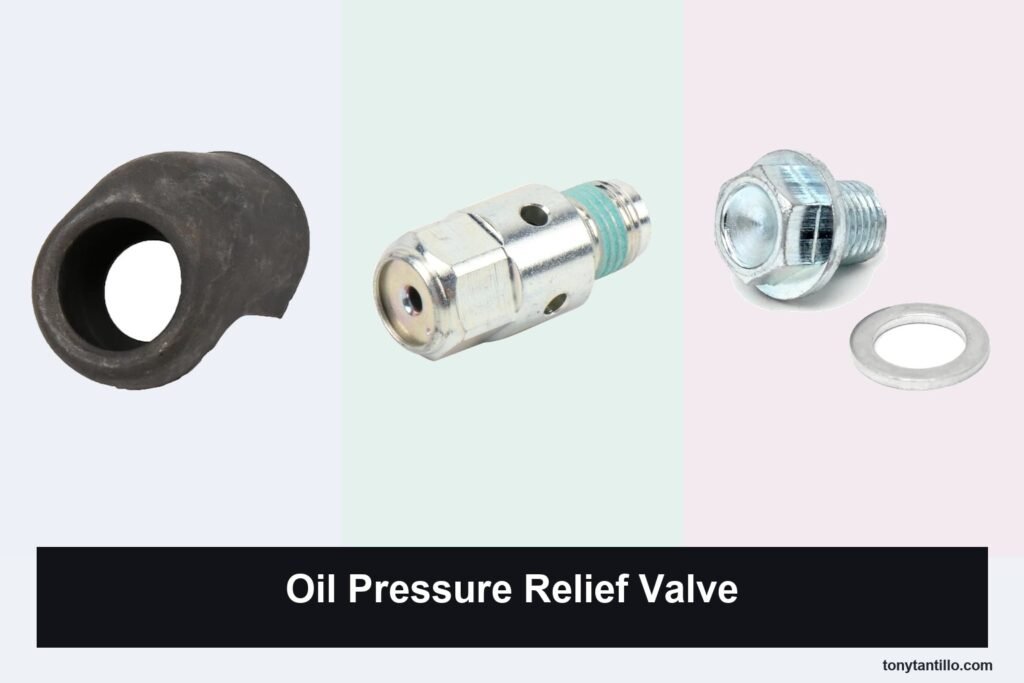
Oil pressure problems are rarely dramatic at first. They usually start as a warning light, a noise, or a pressure drop that shows up under load, hot idle, or after an engine modification changes how the lubrication system behaves. That is why buyers in this category are not just comparing parts. They are deciding whether they want an OE-style replacement, a bypass plug for a specific GM engine family, or a general-purpose relief valve for an entirely different pressure system.
The five options here split cleanly by use case. Two are GM Genuine Parts components for vehicles that need an original-equipment path. Two are Michigan Motorsports plugs aimed at Gen IV LS conversions and secondary relief-valve deletion. One is a brass adjustable valve for water, oil, or air systems that need tunable pressure control. The right choice depends on engine family, thread size, installation access, and whether you need a direct replacement or a functional bypass.
Top Oil Pressure Relief Valve on the Market

GM Genuine Parts 12639759 Deflector
Best OE-Style Deflector
- OE-spec engine application
- ABS construction
- Threaded NPT outlet
- 24-month limited warranty

GM Genuine Parts 12608835 Valve
Best OE Replacement
- OE engine pressure valve
- Aluminum and cast iron
- Threaded inlet
- 24-month limited warranty

Michigan Motorsports LS Bypass Plug
Best LS Bypass Plug
- Gen IV LS bypass plug
- 2007–2013 compatibility
- Oil pan installation
- DOD/AFM and VVT conversions

Michigan Motorsports LS Conversion Kit
Best Conversion Kit
- Gen IV LS bypass conversion
- M12 x 1.75 thread
- Includes crush washer
- Steel construction
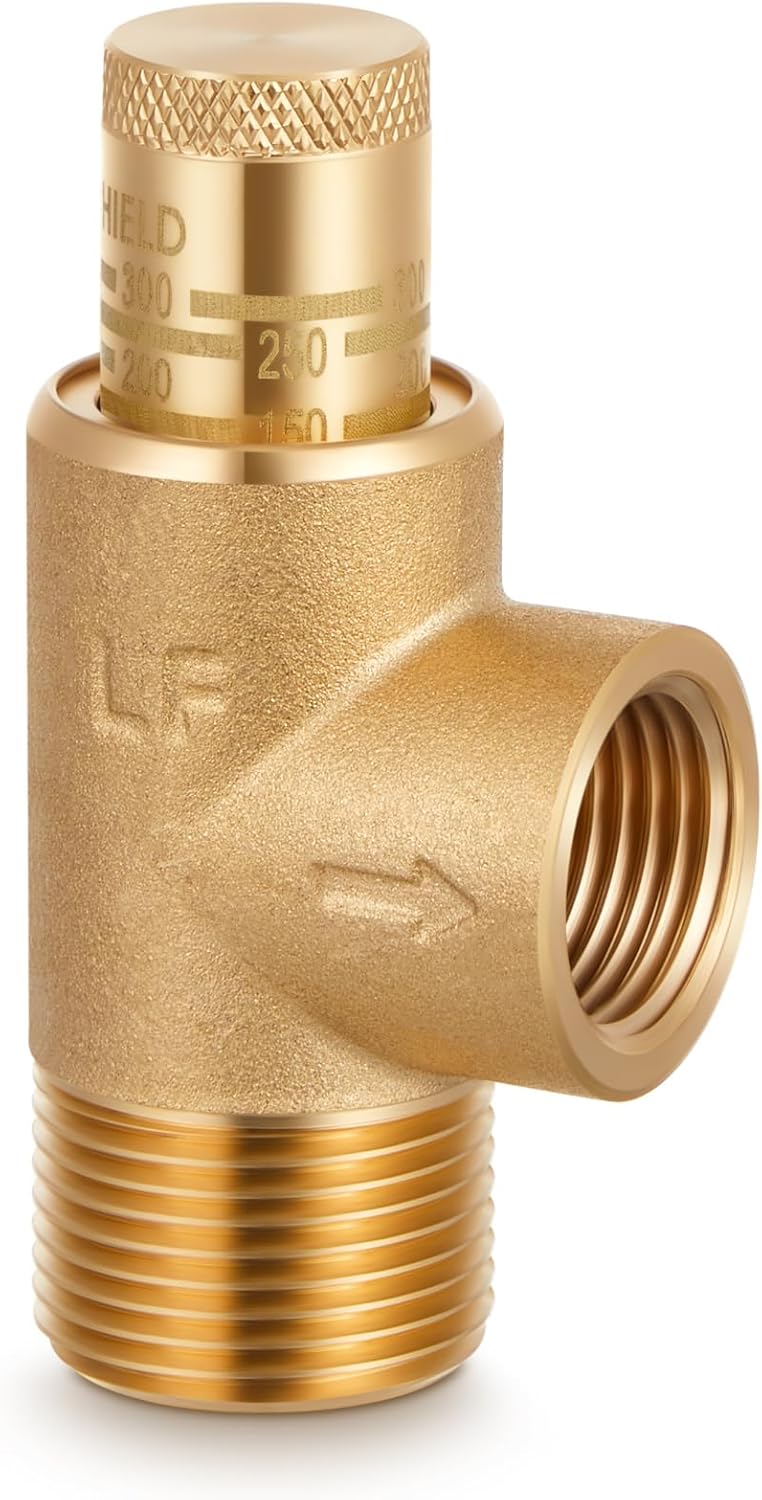
Otoolling Adjustable Relief Valve
Best Adjustable Valve
- 100–300 psi range
- Brass construction
- 3/4-inch NPT inlet
- 1/2-inch NPT outlet
Oil Pressure Relief Valve Reviews
GM Genuine Parts 12639759 Deflector
ADVANTAGES
LIMITATIONS
GM Genuine Parts 12639759 is the most straightforward choice here for a buyer staying close to original equipment requirements. It is an engine oil pressure relief valve deflector with OE specification met status, so it belongs in the camp of parts meant to restore the factory intent rather than modify the system. The ABS body and machined exterior finish point to a compact service component, not a heavy-duty universal fitting. At only 22.68 g, it is the lightest part in the group, which makes sense for a small engine-side deflector whose job is to direct oil away from components rather than act as a tuning device.
The connection details matter because this is not a universal thread-in accessory. It uses a threaded connector with an NPT outlet and two ports, so fitment is tied to the engine arrangement it was engineered around. That makes it attractive for repairs where you want a part that behaves like the original and does not introduce an improvised adapter stack. The 1.9 x 1.7 x 1.2 inch size also suggests a compact footprint, which helps in tight engine spaces where clearance is limited and service access is not generous.
Compared with the other products here, this one is the least flexible but also the most purpose-built. It is not meant for LS conversion work or for broad pressure-system tuning. Instead, it suits the owner who wants an OE-replacement path, a General Motors-backed part, and a 24-month unlimited-mile limited warranty on the part itself. If your priority is preserving stock architecture rather than changing it, this is the cleanest recommendation in the lineup.
GM Genuine Parts 12608835 Valve
ADVANTAGES
LIMITATIONS
GM Genuine Parts 12608835 is the strongest pick when the priority is a direct engine oil pressure relief valve from the same OE ecosystem as the vehicle. It is a true pressure relief valve rather than a deflector, so it serves the hydraulic control role buyers usually mean when they search this category. The material combination of aluminum and cast iron signals a more substantial service part than the ABS deflector above. At 1.6 ounces, it is still compact, but it is clearly built for a different mechanical task and belongs in a repair path where the original valve function needs to be restored.
The connection design is part of what makes this one practical for OE-minded service. It uses a threaded inlet, SAE outlet connection type, internal thread type, and a 0.25 inch outlet connection size. Those details narrow the fit to the intended GM application, which is exactly what you want when replacing a pressure-control component in an engine oiling circuit. The machined exterior finish and single-port layout reinforce that this is a no-frills factory-style part rather than an adjustable or generalized relief device.
Against the rest of the list, this valve stands out for buyers who want the actual pressure-relief function in a GM repair context without moving into conversion hardware. It is less specialized than the LS bypass plugs and far more engine-specific than the brass adjustable valve. The 24-month unlimited miles limited warranty adds confidence for a repair that is usually done because reliability matters more than experimentation. If you are restoring a GM oiling system and want a direct replacement path, this is the right choice.
Michigan Motorsports LS Bypass Plug
ADVANTAGES
LIMITATIONS
Michigan Motorsports’ LS oil pan plug is aimed at a very specific buyer: someone working on a Gen IV LS engine that no longer needs the factory secondary relief valve. The value here is not general pressure regulation. It is eliminating a known weak point in the rear of the oil pan so the engine can avoid the clogging and pressure-drop scenario that can appear in modified builds. The compatibility range is broad within that family, covering 2007 to 2013 LS-based V8s and multiple displacement variants. That makes it especially relevant for swap work and for engines that have already been converted away from factory emissions-related valve strategies.
The setup consequence is important. This is not a simple external screw-in part. The description states that installation requires oil pan removal, and the plug should be torqued to 22 lb-ft. That means the part is best treated as a deliberate maintenance or build-step component rather than a quick roadside fix. At 1.44 ounces with package dimensions of 3.9 x 3.15 x 0.75 inches, it is physically small, but the labor is in access rather than in the part itself. Buyers should expect to plan around oil-pan service, not just thread a fitting into place.
Relative to the other products, this is the most conversion-focused option in the group. It is more specialized than the GM OE valves and less adjustable than the brass industrial valve, but it solves a different problem entirely. It suits builders who have removed DOD, AFM, or VVT functionality and want to remove the secondary valve from the equation. If your engine is already in that modified category, this plug is a strong, targeted answer that addresses pressure stability at the source.
Michigan Motorsports LS Conversion Kit
ADVANTAGES
LIMITATIONS
This Michigan Motorsports kit is the more installation-oriented sibling to the previous LS plug. It still targets the rear-mounted secondary relief valve in 2007 to 2013 Gen IV LS oil pans, but its value comes from the more explicit direct-fit hardware. The M12 x 1.75 thread and 15mm hex head are the key indicators here. They point to a part that is meant to install cleanly without modification, which matters when a builder wants fewer variables during an engine teardown or swap. The included crush washer is also important because it helps complete the sealing stack instead of forcing the buyer to source that piece separately.
The steel construction changes the durability equation. Compared with a lighter service valve or an ABS deflector, steel is better aligned with heat and vibration in a high-load engine environment. The machined exterior finish and threaded inlet and outlet connections also reinforce the sense that this is a purpose-built mechanical plug, not a generic universal fitting. The 12 millimeter inlet and outlet connection sizes keep the part firmly in the LS oil-pan context, so buyers should think of it as a precise engine component rather than a catch-all pressure solution.
In the lineup, this is the best choice for someone who wants the conversion hardware to feel complete and mechanically straightforward. It is more robustly specified than the first LS plug because the thread size, hex size, and included washer all reduce uncertainty during installation. It still requires the right engine family, so it is not the broadest option overall. But for a Gen IV LS build where secondary relief-valve deletion is part of the plan, this is the most confidence-inspiring kit in the group.
Otoolling Adjustable Relief Valve
ADVANTAGES
LIMITATIONS
Otoolling’s adjustable poppet valve is the broadest pressure-control tool in this roundup. Unlike the engine-specific parts above, it is meant for water, hydraulic oil, or compressed air systems that need controllable overpressure protection. The standout figure is the 100 to 300 psi adjustment range, which gives it far more operating flexibility than a fixed relief component. The brass body also matters because it suits corrosion resistance in environments where moisture or repeated pressure cycling can become part of daily use. This is the only product here that behaves like a true tunable pressure-management device.
The thread geometry makes installation straightforward only if the system already matches the valve. It uses a 3/4 inch NPT male inlet and a 1/2 inch NPT female outlet, with an O-ring design to reduce leakage risk and a 90 degree angle that can help in tighter spaces. That is useful for boilers, compressors, or hydraulic systems where line routing is constrained, but it also means the buyer has to check thread direction and size carefully before purchase. Because the valve is adjustable, system verification matters more than it does with a fixed plug.
Against the engine parts in this article, this is the outlier in the best possible way. It is not for LS conversions or OE replacement in a GM engine. It is the right call when the job is to manage pressure in a broader industrial or residential system and you want a brass valve with a measurable adjustment window. The 300 psi maximum pressure, dual-fluid compatibility, and standard NPT threading make it the most versatile option here. If your application is general pressure control rather than engine restoration, this is the one to buy.
How to Choose an Oil Pressure Relief Valve
Choosing an oil pressure relief valve starts with knowing whether you are replacing a factory engine part, bypassing a known weak point in a modified build, or regulating pressure in a general fluid system. Those are very different jobs. A part that is perfect for a Gen IV LS oil pan would be the wrong answer for an OE GM repair, and a brass adjustable valve belongs in a broader pressure-control setup rather than inside a specific engine family. The right selection comes from matching the valve’s job, thread form, material, and installation path to the system that will use it.
Application Match
The first decision is the system itself. Engine oil pressure components are usually specific to a make, model, and engine family. A bypass plug for a converted LS build solves a very different problem than a factory-style pressure relief valve. If you start with the application instead of the part shape, you avoid buying a component that threads in but does not perform the function your system needs. That mistake is common because the names sound similar even when the use case is not.
Thread Compatibility
Thread size and thread type determine whether a valve can physically seat and seal. NPT, SAE, internal threads, and coarse metric sizes all behave differently, and they are not interchangeable just because the fittings look close. Before buying, confirm the connection points on the housing or line. A correct pressure rating cannot compensate for the wrong thread pattern, and forcing a mismatch usually creates leakage, damaged threads, or a part that cannot be torqued correctly.
Fixed or Adjustable
Some relief valves are fixed replacements. Others, especially general-purpose pressure valves, let you tune the operating range. Fixed parts are usually better for restoring OEM function because they preserve the designed pressure behavior of the system. Adjustable valves matter when the system itself varies, or when pressure must be dialed in during setup. The tradeoff is simplicity versus flexibility. If the application already has a defined factory target, fixed is usually safer and cleaner.
Material and Durability
Material choice affects heat tolerance, corrosion resistance, and how the part behaves under vibration. Brass is a strong fit for many fluid and air applications because it resists corrosion. Steel is a better match when strength and temperature stability matter. Aluminum and cast iron combinations are common in OE-style engine parts where the piece must integrate with a specific housing. ABS belongs in lighter-duty engine-side components where the design calls for a molded deflector instead of a pressure-control body.
Installation Access
Installation effort can matter as much as the part itself. A component that requires oil-pan removal, torque verification, or access in a cramped engine bay should be treated as a planned repair, not a quick swap. External threaded fittings are easier to service, but only when the system is already configured for them. Think through the labor before buying. A lower-cost part can become the expensive choice if it adds significant disassembly time or requires extra sealing hardware.
Pressure and Use Limits
The rated pressure range has to fit the job. A general relief valve that handles up to 300 psi is suitable for water, air, or hydraulic applications that need tunable control, but that rating is not a universal substitute for engine-specific oiling components. For automotive engine parts, the more relevant question is whether the valve or plug belongs to the exact engine design. Matching the pressure limit and the system design protects both performance and reliability.
Oil Pressure Relief Valve Comparison Table
| Product | Best For | Valve Type | Material | Warranty | Exterior Finish | Item Weight |
|---|---|---|---|---|---|---|
| GM Genuine Parts 12639759 Deflector | Best OE-Style Deflector | Pressure Relief Valve | Acrylonitrile Butadiene Styrene (ABS) | 24 Month / Unlimited Mile Limited Warranty (Parts Only). Please see ACDelco.com for more details. | Machined | 22.68 g |
| GM Genuine Parts 12608835 Valve | Best OE Replacement | Pressure Relief Valve | Aluminum, Cast Iron | 24 Months/Unlimited Miles Limited Warranty (Parts Only). Please see ACDelco.com for more details | Machined | 1.6 ounces |
| Michigan Motorsports LS Bypass Plug | Best LS Bypass Plug | Not Specified | Not Specified | Not Specified | Not Specified | 1.44 ounces |
| Michigan Motorsports LS Conversion Kit | Best Conversion Kit | Pressure Relief Valve | Steel | 30 Days | Machined | Not Specified |
| Otoolling Adjustable Relief Valve | Best Adjustable Valve | Pressure Relief Valve | Brass | Not Specified | Brass | 7.2 ounces |
How We Tested & Analyzed Oil Pressure Relief Valve
This roundup focused on fitment, function, and the consequences of each design choice. Engine-specific valves and plugs were evaluated differently from general-purpose pressure valves because they solve different problems. The most useful distinctions were whether a part restored factory operation, bypassed a known weak point, or provided adjustable pressure control. Connection type, thread size, material, installation effort, and warranty terms all mattered because those details determine whether a part is straightforward to use or only looks suitable at first glance.
Comparison was based on practical buyer priorities rather than abstract technical ranking. OE replacement pieces were weighed for factory alignment and repair confidence. LS bypass plugs were judged on how clearly they support Gen IV conversion work and how much installation certainty they provide. The adjustable brass valve was assessed on pressure range, connection geometry, and material durability because those are the deciding factors in non-automotive systems. Where a specification was missing, it was left out of the guidance rather than inferred.
One limitation of a category like this is that names overlap while functions do not. A product labeled as an oil pressure relief valve may be a deflector, a direct replacement valve, a bypass plug, or a tunable pressure device. That is why the analysis emphasizes the exact valve type, thread form, and installation context. Buyers should treat those details as the real decision filters. Once the application is correct, the remaining differences become much easier to evaluate.
Frequently Asked Questions
What is the difference between a relief valve and a bypass plug?
A relief valve controls pressure by opening at a set point. A bypass plug removes or replaces a factory valve path so it cannot create the same pressure issue. In engine work, the right choice depends on whether you need regulated operation or removal of a known weak point in the oiling circuit.
How important is thread type when buying one of these parts?
It is critical. Thread type and size determine whether the part will seal correctly and install without damage. Even a high-quality valve is a poor choice if the thread standard does not match the housing or fitting you are working with. Always confirm the connection before ordering.
Are adjustable relief valves better than fixed ones?
Not automatically. Adjustable valves are better when the system needs tuning across a defined range. Fixed valves are usually better for OEM-style repairs because they preserve the intended operating behavior. The best option depends on whether you are restoring a factory system or controlling pressure in a more general setup.
Can an engine oil pressure valve be used in other systems?
Usually no. Engine oil parts are designed around a specific lubrication layout and housing geometry. A general relief valve may work in water, air, or hydraulic applications if the pressure range and threads match, but engine-specific components should stay in their intended automotive context.
Final Thoughts
The best oil pressure relief valve is the one that matches the system without compromise. For factory engine repairs, OE-style parts are the safest path. For Gen IV LS builds, a bypass plug is the more relevant tool because it addresses the secondary relief valve directly. For broader pressure-control work, an adjustable brass valve is the most versatile option in the group. The wrong part here usually fails by fitment, not by marketing claim, so the details matter.
The safest way to choose is to work backward from the application. Confirm the engine family or fluid system, the thread standard, the installation access, and whether you need a fixed or adjustable pressure solution. Once those are aligned, the decision becomes simple. The right valve is the one that solves the exact pressure problem you have now and does not create a new one during installation or long-term use.