
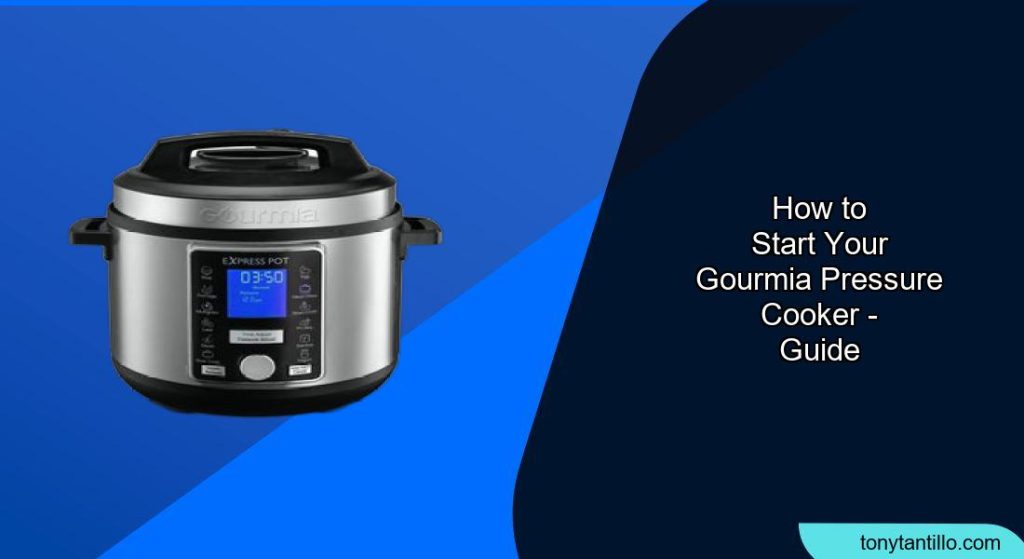
Starting a new Gourmia pressure cooker can seem daunting, but with the right guidance, you’ll be cooking delicious meals in no time. This comprehensive guide will walk you through the initial setup, explain the essential steps, and offer helpful tips to ensure a safe and successful cooking experience with your Gourmia pressure cooker. Whether you’re a beginner or have used pressure cookers before, this guide provides the information you need to get started.
1. Unboxing and Initial Setup
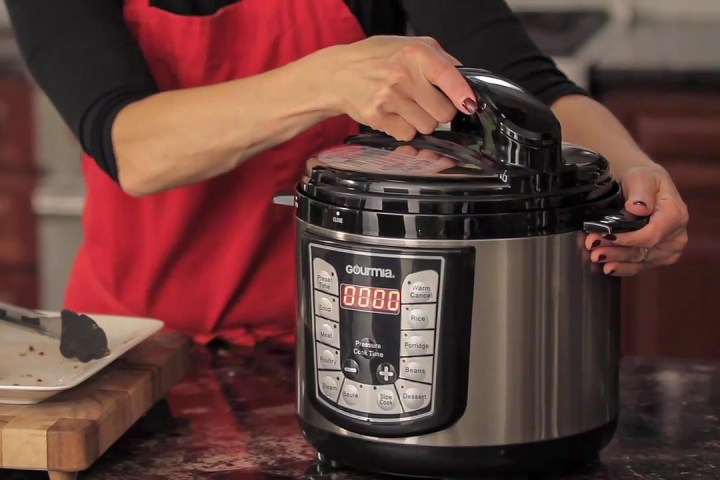
Before you begin cooking, it’s essential to properly unbox and set up your Gourmia pressure cooker.
- Unboxing: Carefully remove the pressure cooker and all its components from the box. This typically includes the main unit, inner pot, steam rack, and user manual.
- Inspection: Inspect all parts for any damage. If you notice any issues, contact Gourmia customer support immediately.
- Cleaning: Wash the inner pot and steam rack with warm, soapy water. Rinse thoroughly and dry completely. Wipe the exterior of the pressure cooker with a damp cloth. Do not immerse the main unit in water.
- Placement: Place the pressure cooker on a stable, heat-resistant surface away from flammable materials. Ensure there is enough space around the cooker for proper ventilation.
2. Understanding the Components
Familiarizing yourself with the different parts of your Gourmia pressure cooker is crucial for safe and effective operation.
- Main Unit: The outer housing contains the heating element and control panel.
- Inner Pot: This removable pot is where you place the food and liquids. It’s usually made of stainless steel or non-stick material.
- Lid: The lid seals the pressure cooker, creating a pressurized environment. Ensure the sealing ring is properly in place before each use.
- Sealing Ring: This silicone ring sits inside the lid and creates an airtight seal.
- Steam Rack: Used to elevate food above the liquid, allowing for steaming.
- Control Panel: Features buttons or a dial to select cooking programs, adjust time, and set pressure levels.
- Float Valve: Indicates when the pressure cooker is pressurized. It rises when pressure builds and drops when pressure is released.
- Pressure Release Valve: Used to manually release pressure after cooking.
3. Performing a Water Test
Before cooking food, it’s recommended to perform a water test to ensure your pressure cooker is functioning correctly.
- Add Water: Pour 2-3 cups of water into the inner pot.
- Secure the Lid: Place the lid on the pressure cooker and ensure it’s properly sealed. The arrows on the lid and cooker should align.
- Set the Program: Select the “Steam” or “Pressure Cook” program on the control panel and set the cooking time to 5 minutes.
- Start Cooking: Press the “Start” button to begin the cooking cycle.
- Monitor Pressure: Observe the float valve. It should rise as the pressure builds inside the cooker.
- Release Pressure: After the cooking time is complete, allow the pressure to release naturally (natural pressure release) or manually release it by carefully turning the pressure release valve to the “Venting” position (quick pressure release). Use caution when releasing pressure manually, as steam will be emitted.
- Open the Lid: Once all the pressure is released and the float valve has dropped, carefully open the lid.
4. Cooking Your First Meal
Now that you’ve completed the initial setup and water test, you’re ready to cook your first meal. Here’s a simple recipe to get you started.
Simple Chicken and Rice
- Ingredients:
- 1 pound boneless, skinless chicken breasts, cut into 1-inch pieces
- 1 cup long-grain rice
- 2 cups chicken broth
- 1 teaspoon salt
- 1/2 teaspoon black pepper
- 1 tablespoon olive oil
- 1/2 onion, chopped
- 2 cloves garlic, minced
- Instructions:
- Turn on the pressure cooker and select the “Sauté” function.
- Add olive oil to the inner pot.
- Sauté the chopped onion and minced garlic until softened, about 2-3 minutes.
- Add the chicken pieces and cook until browned on all sides.
- Turn off the “Sauté” function.
- Add the rice, chicken broth, salt, and pepper to the inner pot.
- Stir to combine all ingredients.
- Secure the lid and select the “Pressure Cook” program. Set the cooking time to 12 minutes.
- Allow the pressure to release naturally for 10 minutes, then manually release any remaining pressure.
- Carefully open the lid and fluff the rice with a fork.
- Serve and enjoy!
5. Understanding Cooking Programs and Settings
Gourmia pressure cookers come with various preset cooking programs designed for different types of food.
- Pressure Cook: This is the primary function for pressure cooking. You can adjust the cooking time and pressure level.
- Sauté: Used for browning or searing food before pressure cooking.
- Steam: Ideal for steaming vegetables, fish, or other delicate foods.
- Rice: Specifically designed for cooking rice, adjusting the time and temperature for optimal results.
- Soup/Stew: Perfect for making hearty soups and stews.
- Porridge: Used for cooking oatmeal, congee, or other porridge-like dishes.
- Keep Warm: Automatically activates after cooking to keep the food warm until you’re ready to serve.
- Delay Start: Allows you to set a delayed cooking time, so your meal is ready when you want it.
6. Safety Tips and Best Practices
Using a pressure cooker safely is paramount. Here are some essential safety tips to keep in mind:
- Read the Manual: Always read and understand the user manual before using your Gourmia pressure cooker.
- Do Not Overfill: Never fill the inner pot more than 2/3 full, especially when cooking foods that expand, such as rice or beans.
- Secure the Lid: Ensure the lid is properly sealed before starting the cooking process.
- Check the Sealing Ring: Make sure the sealing ring is clean and correctly positioned inside the lid.
- Release Pressure Carefully: When manually releasing pressure, use a utensil to turn the pressure release valve to keep your hands away from the steam.
- Never Force the Lid: If the lid is difficult to open, it means there is still pressure inside the cooker. Release the pressure completely before attempting to open the lid.
- Keep Away from Children: Store the pressure cooker out of reach of children and supervise its use around children.
7. Troubleshooting Common Issues
Even with careful use, you may encounter some common issues with your Gourmia pressure cooker. Here are some troubleshooting tips:
- Problem: The pressure cooker is not building pressure.
- Solution: Ensure the lid is properly sealed, the sealing ring is in place, and the pressure release valve is closed.
- Problem: Food is burning at the bottom of the pot.
- Solution: Make sure there is enough liquid in the pot, and stir the ingredients occasionally during cooking (if using the “Sauté” function).
- Problem: The float valve is not dropping after cooking.
- Solution: Allow more time for natural pressure release. If it still doesn’t drop, manually release any remaining pressure.
- Problem: Steam is leaking from the sides of the lid.
- Solution: Check the sealing ring for damage or improper placement. Replace the sealing ring if necessary.
- Problem: The pressure cooker is displaying an error code.
- Solution: Refer to the user manual for the specific error code and follow the recommended troubleshooting steps.
FAQ
What is the best way to clean my Gourmia pressure cooker?
The inner pot and steam rack can be washed with warm, soapy water. The lid should be wiped clean with a damp cloth, ensuring no food particles are stuck around the sealing ring or valves. The main unit should only be wiped with a damp cloth; never immerse it in water.
How often should I replace the sealing ring on my Gourmia pressure cooker?
The sealing ring should be replaced every 12-18 months, or more frequently if it becomes cracked, brittle, or loses its elasticity. A damaged sealing ring can prevent the pressure cooker from sealing properly.
Can I use my Gourmia pressure cooker for canning?
While some pressure cookers are suitable for canning, it’s important to check your Gourmia pressure cooker’s manual. Not all models are designed for canning, and using an unsuitable model can be unsafe.
What should I do if the pressure release valve is clogged?
If the pressure release valve is clogged, carefully use a small, blunt object (like a toothpick) to clear the blockage. Ensure the pressure cooker is not pressurized before attempting to clear the valve.
How do I adjust cooking times for different altitudes?
At higher altitudes, water boils at a lower temperature, which can affect cooking times. Increase the cooking time by about 5% for every 1,000 feet above sea level.
Is it safe to leave my Gourmia pressure cooker unattended while cooking?
While pressure cookers are designed with safety features, it’s generally not recommended to leave them unattended for extended periods. Monitor the pressure cooker periodically to ensure it’s functioning correctly.
Tips, Warnings, and Best Practices
- Tip: Always add enough liquid to the inner pot to create steam and pressure. The minimum amount is usually 1 cup, but refer to your recipe for specific instructions.
- Warning: Never try to open the lid while the pressure cooker is pressurized. Forcing the lid open can cause serious injury.
- Best Practice: Use the recommended cooking times and pressure levels for different types of food. Overcooking can result in mushy or dry food.
- Tip: Cut food into uniform sizes to ensure even cooking.
- Warning: Be cautious when cooking foods that tend to foam, such as beans or grains. These foods can clog the pressure release valve.
- Best Practice: Clean your Gourmia pressure cooker after each use to prevent the buildup of food particles and odors.
Conclusion
Starting your Gourmia pressure cooker is a straightforward process once you understand the basics. By following these steps, you can confidently begin pressure cooking delicious meals for yourself and your family. Remember to prioritize safety, read the manual, and experiment with different recipes to discover the full potential of your Gourmia pressure cooker.
Now that you know how to start your Gourmia pressure cooker, you can enjoy quick, convenient, and healthy cooking every time.