
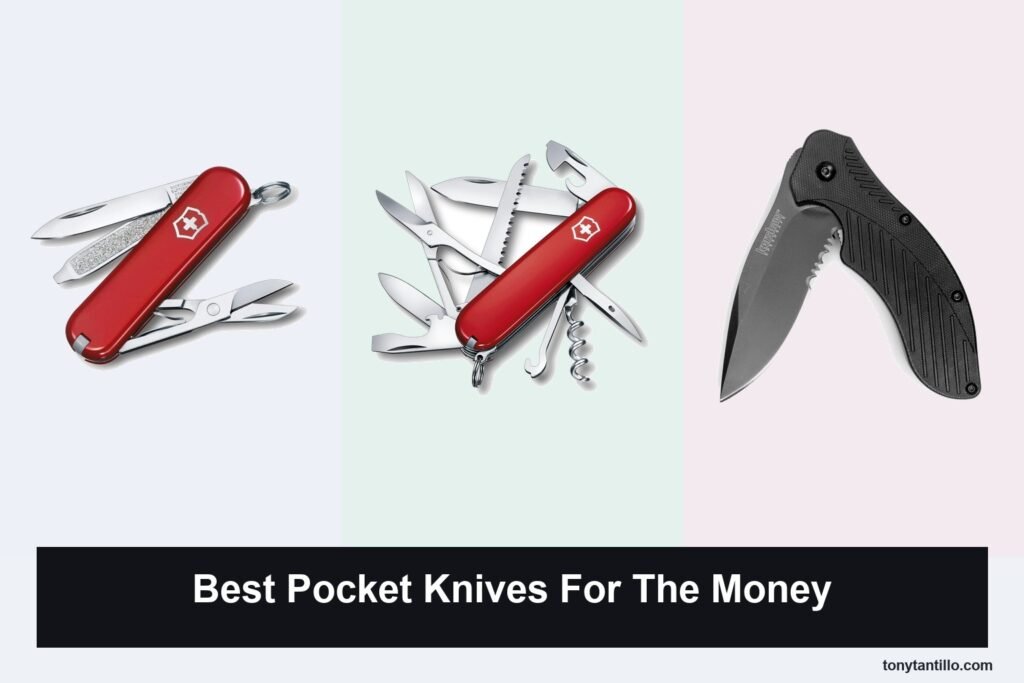
A good pocket knife is less about looking tactical and more about solving the small problems that happen every day. Package tape, loose threads, food prep at camp, string, zip ties, and stubborn cardboard all demand different kinds of cutting performance. The best value options also need to carry comfortably, open with confidence, and hold up well enough that you are not replacing them just because a clip or spring failed. That is why the right purchase is usually the one that matches your actual tasks, not the one with the longest spec sheet.
This group covers very different kinds of value. Some knives win by being tiny and easy to keep on your keys. Others earn their place through stronger blades, locking mechanisms, or replaceable utility blades that cut operating costs. The standout choices below were chosen for their verified features, practical size, and overall usefulness relative to price. The result is a category spread that makes sense whether you want a compact everyday companion, a work knife, or a field-ready folder.
Top Pocket Knives For The Money on the Market

Victorinox Classic SD Swiss Army Knife
Best ultra-compact pick
- 7 functions
- 58 mm folded length
- 21 g weight
- ABS/Cellidor scales
- Key ring included

Victorinox Huntsman Swiss Army Knife
Best multitool value
- 15 functions
- Wood saw and scissors
- 97 g weight
- 91 mm folded length
- ABS/Cellidor scales

Kershaw Clash Pocket Knife
Best assisted-opening pick
- 3.1-inch blade
- Partially serrated edge
- SpeedSafe opening
- Reversible pocketclip
- 4.3 oz weight

Buck Knives 110 Folding Hunter
Best field carry classic
- 3.75-inch blade
- Lock-back design
- Leather sheath included
- 7.2 oz weight
- Made in USA

Gerber EAB Lite Pocket Knife
Best budget utility cutter
- Replaceable utility blade
- Money clip design
- 2.25-inch blade
- 2.24 oz weight
- Limited lifetime warranty
Pocket Knives For The Money Reviews
Victorinox Classic SD Swiss Army Knife
ADVANTAGES
LIMITATIONS
The Classic SD is the strongest choice here when your idea of a pocket knife is something you can carry everywhere without noticing it. Its 7 functions are aimed at real daily use rather than heavy-duty cutting, and the compact format keeps it from becoming a burden on keys or in a tiny pocket. The small blade, scissors, nail file, screwdriver, key ring, toothpick, and tweezers make it more of a small carry tool than a pure knife, which is exactly why it works for so many people. The combination of utility and low-carry friction is the reason this format has stayed relevant for so long.
At 21 g weight and a folded size of just 58 mm, the practical payoff is obvious the moment you compare it with bulkier folders. It is the kind of knife you are more likely to have with you when a larger model would be left at home. The ABS/Cellidor scales keep the package light, and the stainless steel build lines up with the brand’s lifetime material and workmanship guarantee. That does not make it a hard-use work knife, but it does make it a sensible companion for opening mail, trimming loose threads, and handling small tasks that do not justify a larger blade.
Against the other options in this roundup, the Classic SD is the clearest answer for buyers who value carry comfort over cutting power. It is far smaller than the Huntsman and Buck folders, and it is more versatile than the Gerber when you want built-in tools instead of a utility blade. The tradeoff is equally clear. You are buying convenience, not leverage or reach. For everyday carry on a key ring, in a purse, or in a very small pocket, this is the one to choose with confidence.
Victorinox Huntsman Swiss Army Knife
ADVANTAGES
LIMITATIONS
The Huntsman sits in the middle ground that many buyers actually need. It keeps the familiar Swiss Army Knife layout but adds more serious utility through a 15 functions package that includes a large blade, scissors, wood saw, reamer, punch and sewing awl, can opener, wire stripper, and two screwdrivers. That mix matters because it moves the knife beyond light office chores and into the kind of mixed-use tool that can live in a pack, glove box, or camp kit. For a modest step up in price from the smaller Victorinox, you get substantially more task coverage.
Its 91 mm folded length and 97 g weight are still manageable, but they also signal a real increase in carry footprint compared with minimalist pocket tools. The ABS/Cellidor scales keep the classic feel, while the stainless-steel construction is paired with the brand’s long-standing material and workmanship guarantee. In practice, the extra size buys you more leverage and more useful tool spacing. That makes the Huntsman easier to use when you are working outdoors and need scissors or a saw rather than just a blade.
Compared with the Classic SD, this is the more capable everyday companion for people who actually use the extras. Compared with the Kershaw and Buck, it is less focused on a single blade and more about integrated field utility. That means it will not feel as streamlined in a pocket, but it can replace several separate tools for light to moderate tasks. Choose it if you want one carried tool that covers the broadest range of common jobs without jumping to a heavier folding knife or a dedicated utility blade.
Kershaw Clash Pocket Knife
ADVANTAGES
LIMITATIONS
The Clash is the most straightforward value choice here for buyers who want a true folding knife rather than a multitool. Its 3.1-inch blade gives it enough working edge for everyday cutting, and the partially serrated profile adds useful bite on fibrous material. The 8Cr13MoV blade steel is not a luxury-level metal, but it is a sensible match for a budget-friendly work knife because it balances edge holding, strength, and hardness without pushing the price into premium territory. The black-oxide finish and blacked-out styling add toughness in appearance as well as a bit of wear-minded practicality.
Where this knife separates itself is the SpeedSafe opening system and built-in flipper. Those features matter in daily use because they reduce friction when you need a knife fast and want one-handed deployment. The liner lock secures the blade during use, which is an important confidence factor for a folder meant to be carried often. The glass-filled nylon handle is shaped for grip, and the reversible pocketclip gives left- or right-side carry flexibility. At 4.3 ounces, it is not featherlight, but the extra mass contributes to a more substantial in-hand feel than the smallest knives here.
Against the Swiss Army options, the Clash is less about tool variety and more about immediate cutting performance. Against the Buck, it is lighter, cheaper, and more compact, though it is not as traditionally field-oriented. That makes it the best pick for buyers who want a practical EDC blade with quick opening and a secure lock, especially if cardboard, cord, and general work tasks are the main job. If you want one affordable folding knife that feels purpose-built for use rather than collecting, this is the one to shortlist.
Buck Knives 110 Folding Hunter
ADVANTAGES
LIMITATIONS
The Folding Hunter earns its place by being a very different kind of value. It is not the cheapest option here, but it is the most traditional large-folder and one of the most confidence-inspiring for outdoor use. The 3-3/4-inch 420HC blade gives you real cutting reach, and the lock-back design is the kind of mechanism many buyers still trust for field work. The clip-point shape is useful for controlled cuts, while the brass bolsters and ebony handles give the knife a classic feel that is also backed by a real functional purpose. It is built to be carried like a serious tool, not just a pocket accessory.
Its size and carry format are the key tradeoff. At 7.2 oz, this is much more substantial than the compact Swiss Army options or the Gerber utility knife. That weight is part of the reason it feels steady in use, but it also means you need either the included leather sheath or a pocket setup that can tolerate bulk. The sheath with snap fastener and belt loop is more than an accessory. It changes how the knife is actually carried, especially for hunting, camping, hiking, fishing, and other outdoor work where belt carry is often more practical than pocket carry. The lifetime warranty and USA craftsmanship also reinforce the idea that this is a long-term ownership knife.
Compared with the Kershaw, the Buck is slower and heavier, but it is more reassuring for traditional outdoor carrying. Compared with the Victorinox models, it sacrifices compactness and integrated tools in exchange for a larger blade and a more robust field identity. That makes it the best choice for buyers who prioritize a classic locking folder with real presence. If your use case includes the outdoors, belt carry, and a preference for durable, time-tested construction, this is the most compelling premium value in the group.
Gerber EAB Lite Pocket Knife
ADVANTAGES
LIMITATIONS
The EAB Lite is the value pick for buyers who care more about clean utility cutting than traditional knife versatility. Its replaceable utility blade is the core reason to buy it, because it changes the economics of ownership. Instead of sharpening a fixed blade, you simply swap the blade when it gets dull. That is a real advantage for cardboard, packaging, paper, and light shop work. The stainless steel body and money clip design keep it slim and practical, and the liner lock adds a basic but important layer of security during use.
At 2.24 ounces and 5.1 inches overall, it stays close to the pocket knife ideal of something easy to carry all day. The tradeoff is that this is a specialized tool, not a do-everything blade. The 2.25-inch blade length is fine for everyday slicing tasks, but the narrow utility format is not the right answer when you want a broader all-purpose folder or a more substantial outdoor knife. The limited lifetime warranty adds reassurance, although the real appeal remains simplicity. It is a straightforward tool for people who cut lots of boxes and prefer a blade they can replace fast.
Against the rest of the list, the Gerber is the least romantic and one of the most sensible. It is far lighter and more affordable than the Buck, and it is more job-focused than the Swiss Army options when your work is repetitive cutting rather than tool variety. It also carries differently from the Kershaw because the money clip format is designed around ultra-slim pocket organization. Choose it if you want a compact utility cutter that disappears in carry and keeps maintenance simple. For budget-minded users who open packages all day, it is one of the strongest values available.
How to Choose Pocket Knives for the Money
Value in a pocket knife is not just the sticker price. A cheap blade that stays home, feels awkward in hand, or fails to match your daily tasks is poor value no matter how little it costs. The better question is what kind of cutting you actually do, how much weight you will tolerate, and whether you need a simple blade, a multitool, or a utility cutter with replaceable blades. Once those needs are clear, the right budget narrows quickly.
Carry Comfort
The best-value knife is often the one you can carry consistently. Weight, folded length, and clip or key-ring compatibility all affect whether the tool stays with you during ordinary routines. A tiny knife may seem limited on paper, but it becomes the better purchase if you actually keep it in your pocket every day. Heavier folders can cut better and feel more secure, but only if their size does not leave them on a desk, in a glove box, or at home.
Blade Style
Blade geometry changes what the knife does well. A plain edge is easier to control for clean slicing and general tasks. A serrated or partially serrated edge bites into rope, webbing, and fibrous material more aggressively, though it is less universal for fine cuts. Utility blades are a different category altogether. They are ideal when you want fast replacement and repetitive cardboard work, but they trade away the broader versatility of a traditional folding knife.
Locking and Opening
A secure lock matters whenever you expect real pressure on the blade. Lock-back and liner-lock designs are both common solutions, but they do different jobs in the hand. Assisted opening and flipper systems reduce delay when you need the blade quickly, though they are usually paired with more carry weight and a more tactical feel. If your tasks are modest, a simpler opening system can be enough. If your work involves one-handed use, confidence and speed become much more important.
Size Versus Use
Small knives are excellent for light utility, keys, and emergency convenience, but they can feel cramped during repeated work. Larger folders usually improve grip, reach, and control, yet they also ask more from your pocket or sheath. The right choice depends on whether you need a tool for occasional trimming or a knife that will be used as part of a regular work routine. Bigger is not automatically better. It is only better when the extra length and handle space are useful in practice.
Maintenance Needs
Think about how much upkeep you want. Stainless steel and replaceable blades both reduce friction in different ways. A stainless folder may still need sharpening, but it can be a long-lived owner tool. A replaceable utility knife keeps cutting performance easy to refresh, though you must keep spare blades on hand. If you dislike maintenance, that distinction matters more than brand names or styling. The most convenient knife is often the one that fits your willingness to maintain it, not just your budget.
Carry Format
Pocket clip, key ring, and sheath each solve a different carry problem. Key-ring knives are best when absolute portability matters more than cutting power. Pocket clips keep a blade accessible and organized for everyday use. Sheaths work better for larger folders or outdoor carry where a pocket would feel crowded. Choosing the wrong carry format can make a perfectly good knife awkward to use. The smartest buy is the one that matches how you already dress, work, and travel.
Pocket Knife Comparison Table
| Product | Best For | Blade Length | Weight | Color | Global Trade Identification Number | Item Length |
|---|---|---|---|---|---|---|
| Victorinox Classic SD Swiss Army Knife | Best ultra-compact pick | Not Specified | 21 g | Red | 07611160000774, 07611160008725 | Not Specified |
| Victorinox Huntsman Swiss Army Knife | Best multitool value | Not Specified | 3.36 ounces | Red | Not Specified | 9.1 centimeters |
| Kershaw Clash Pocket Knife | Best assisted-opening pick | 3.1 inches | 68 g | 1605CKTST | 00087171031491 | 5.25 inches |
| Buck Knives 110 Folding Hunter | Best field carry classic | 3.75 inches | 7.2 ounces | Brass | 00033753092107 | 8.63 inches |
| Gerber EAB Lite Pocket Knife | Best budget utility cutter | 2.25 inches | 2.24 ounces | Stainless Steel | 00013658115279 | 5.1 inches |
How We Tested & Analyzed Pocket Knives for the Money
This roundup was built around category-level performance that matters to real buyers: carry comfort, blade usefulness, locking confidence, maintenance burden, and the practical value of included tools or accessories. Those criteria matter because pocket knives are bought to solve daily problems, not to serve as display pieces. The comparisons therefore focused on how each design shifts the ownership experience, from ultra-compact convenience to field-ready cutting power and replaceable utility blades.
The analysis also weighed the relationship between price and usefulness. A lower-cost knife is not automatically a better value if it forces tradeoffs in carry, reach, or versatility that limit how often it gets used. Likewise, a more expensive folder can still be a strong value when it includes a sheath, a stronger locking design, or a more capable blade format. The goal was to compare meaningful differences rather than simply sorting by cost or popularity.
One important limitation in any knife roundup is that usefulness depends heavily on the buyer’s tasks. A key-ring tool, a general folding knife, and a utility cutter all solve different problems, even when they sit in the same category. That is why the recommendations emphasize fit, carry style, and operational tradeoffs. The best purchase is the one aligned with your actual cutting habits, pocket space, and maintenance tolerance.
Frequently Asked Questions
What makes a pocket knife good value?
Good value means the knife gets used often because it matches your carry habits and daily tasks. Price matters, but so do carry comfort, blade style, lock quality, and maintenance. A cheaper knife that stays in your pocket is better value than a more expensive one that feels too bulky or specialized.
Should I choose a small knife or a larger folder?
Choose the smallest knife that still handles your common tasks comfortably. Small knives are easier to carry and more likely to be with you every day. Larger folders give you more grip and cutting reach, which helps with outdoor work, heavier materials, or repeated use. The right answer depends on how hard you work the blade.
Are replaceable blades better than fixed blades?
Replaceable blades are excellent if you cut boxes, tape, and packaging often. They keep performance consistent and reduce sharpening work. Fixed blades are usually better if you want broader versatility, a more traditional feel, or a knife that can be maintained over years. The choice depends on whether convenience or flexibility matters more to you.
Do locking mechanisms really matter?
Yes. A lock adds confidence when the knife is pushed through thicker material or used for longer tasks. Lock-back and liner-lock systems are common because they keep the blade stable during use. If you only open light packaging, it is less critical. If you expect regular work use, the lock becomes a meaningful part of the buying decision.
Final Thoughts
The best pocket knife for the money is the one that fits your actual cutting life, not the one with the biggest feature list. If you want ultra-compact convenience, a tiny key-ring knife makes sense. If you want a real everyday folder, a quick-opening lockable knife is more practical. If your work is repetitive packaging and box cutting, a replaceable-blade tool can be the smartest bargain of all.
That is the real pattern across this roundup. Each knife is a value winner for a different reason, and that is what makes the category worth shopping carefully. Match the carry format, blade style, and maintenance level to how you work, travel, and organize your pocket space. Do that, and you will end up with a knife that feels worth the money every time you reach for it.