
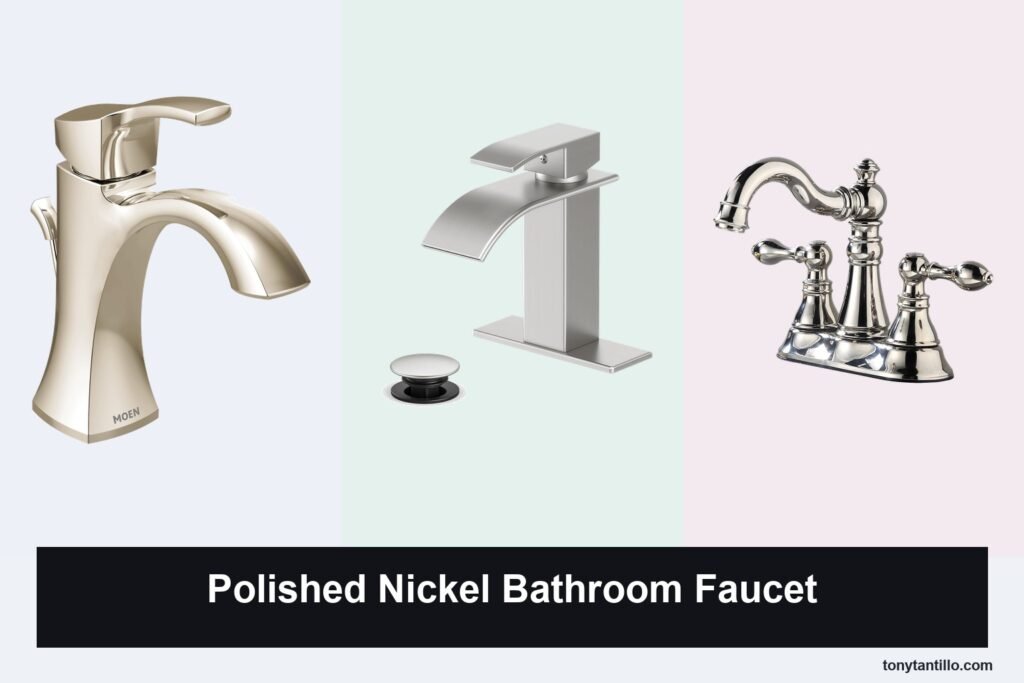
A polished nickel bathroom faucet has to do more than match the vanity. It needs to balance finish durability, water efficiency, sink compatibility, and daily handling in a room where every small detail is visible. The right choice can make a compact powder room feel finished, while the wrong one can look out of scale or force compromises during installation. That is why this category rewards careful comparison instead of a quick style pick.
The four faucets here cover different priorities, from transitional single-handle designs to classic two-handle layouts and value-focused options with included drains. Some lean toward a more refined, upscale presence. Others emphasize easier installation, lower flow rates, or a more traditional sink layout. The useful differences are in mounting style, handle count, spout geometry, material construction, and certification details that affect both longevity and everyday use.
Top Polished Nickel Bathroom Faucet on the Market
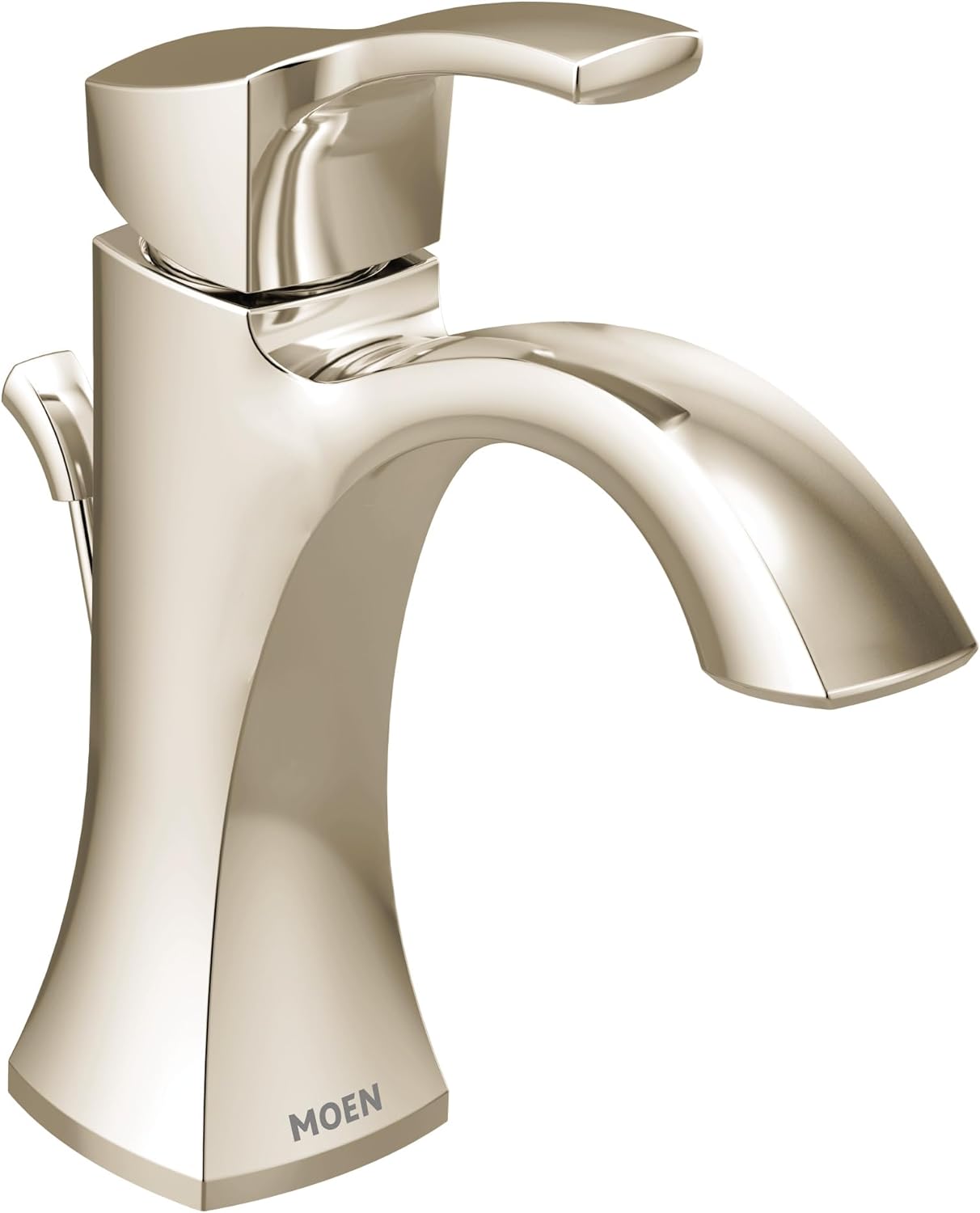
Moen Voss Single-Hole Faucet
Best premium pick
- Polished nickel finish
- Single-handle control
- Optional deck plate
- 1.2 GPM flow rate
- Limited lifetime warranty
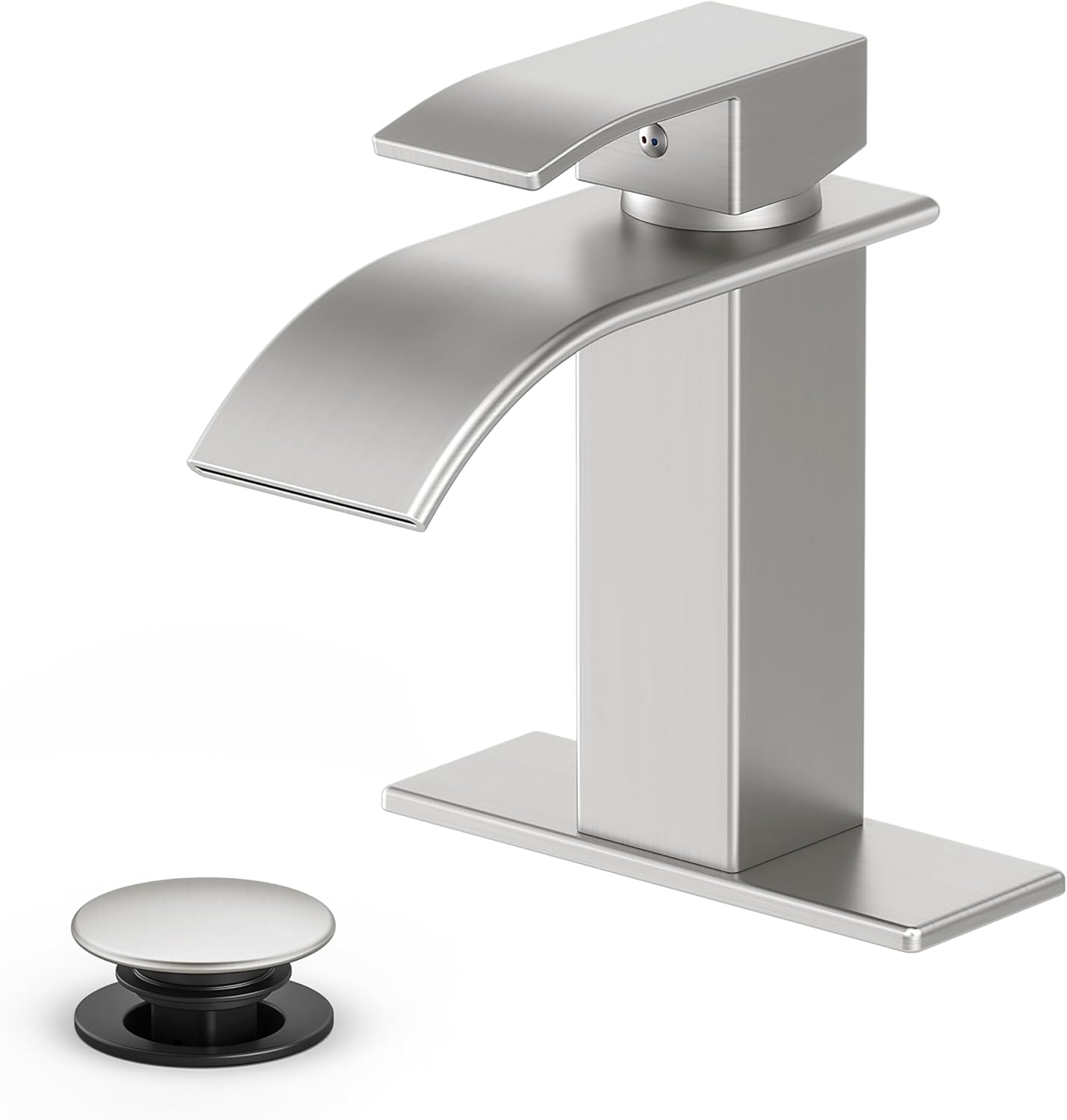
Ryuwanku Waterfall Single-Handle Faucet
Best budget waterfall
- Waterfall spout design
- SUS 304 stainless steel
- 1.02 GPM flow rate
- Includes deck plate
- Lead-free construction

Derengge 4-Inch Centerset Faucet
Best centerset choice
- Two-handle control
- 4-inch centerset layout
- Polished nickel PVD finish
- Lead-free waterway
- Includes matching drain

Derengge Single-Hole Two-Handle Faucet
Best hybrid style
- Two handles on one hole
- Solid brass and steel
- Swivel spout design
- 6.6-inch spout height
- Lead-free construction
Polished Nickel Bathroom Faucet Reviews
Moen Voss Single-Hole Faucet
ADVANTAGES
LIMITATIONS
The Moen Voss is the most upscale-feeling choice in this group, and its appeal starts with the way it combines a polished nickel finish with the clean geometry of a one-handle, single-hole faucet. That layout keeps the sink area visually quiet, which matters if you are trying to make the faucet feel like part of a designed bath rather than just a utility fixture. The transitional Voss styling gives it a more composed look than the busier classic forms in the group, and the optional deck plate adds flexibility when a vanity has a wider opening than a single-hole setup.
Its practical strengths are more than cosmetic. The 1.2 gpm flow rate keeps water use modest without pushing this faucet into a weak or stingy feel, and the ADA-compliant handle design makes the single lever easier to manage for a wide range of users. At 4.69 inches of spout height and 4.63 inches of reach, it sits in a comfortable middle ground for everyday handwashing and face rinsing. The included drain and 32-inch hose also reduce the number of separate parts you need to source before installation.
This is the faucet for buyers who want a finished, coordinated look and are willing to pay for it. It is not the cheapest route, and the single-hole format is naturally less traditional than the two-handle options here. But the tradeoff is a cleaner visual profile, a more flexible installation path, and the confidence of a Limited Lifetime Warranty. Compared with the value models, it is the strongest recommendation for a primary bath or a remodel where the faucet needs to look intentional rather than simply functional.
Ryuwanku Waterfall Single-Handle Faucet
ADVANTAGES
LIMITATIONS
Ryuwanku targets a different buyer entirely. This is the faucet for someone who wants a modern visual update without making the bathroom project expensive, and the waterfall spout is the main reason it stands out. The lower, compact body keeps the profile modest, while the brushed nickel finish softens the look and helps it blend into many neutral bathrooms. The waterfall spout design gives the sink a more decorative presence than a standard arc spout, and the SUS 304 stainless steel body gives the build a more durable feel than many low-cost fixtures.
The operational details are practical too. Its 1.02 gpm flow rate is the lowest in this group, so it is the most conservative on water use. That can be attractive in a bathroom that sees frequent daily rinsing, though some buyers will prefer a fuller stream. The package includes a 6-inch deck plate, installation hardware, supply hoses, and a manual, which lowers the number of extra parts you need to buy. The 1-hole mounting also keeps the installation straightforward on a compatible vanity.
This faucet makes the most sense when budget matters but you still want a more stylish presentation than a basic builder-grade replacement. It is not as substantial as the brass-built options, and its lower flow may not satisfy everyone who wants a stronger stream. Even so, the combination of lead-free stainless steel, a quieter waterfall effect, and a complete install kit makes it easy to recommend for guest baths, powder rooms, and lighter-use sinks. It is the most decorative value play in the lineup, especially if you care more about appearance than classic two-handle control.
Derengge 4-Inch Centerset Faucet
ADVANTAGES
LIMITATIONS
Derengge’s 4-inch centerset model is the cleanest fit for a three-hole vanity that needs a polished nickel faucet with a traditional feel. The two-handle layout gives you independent hot and cold control, which still appeals to buyers who want a more deliberate temperature adjustment than a single lever offers. The 4-inch centerset configuration makes compatibility its biggest strength, and the matching pop-up drain simplifies the vanity refresh because the finish stays consistent across visible hardware.
The build details support everyday use. The lead-free waterway and cUPC, NSF, and lead-free certification claims make it more reassuring for buyers who prioritize material standards. A 1.2 gpm flow rate keeps it in the efficient range, while the stainless steel 304 spout and ceramic cartridge point to a setup intended for steady service rather than short-term cosmetics. The PVD polished nickel finish is also aimed at resisting rust and abrasion, which matters in a room where water spots and cleaning products are constant.
This faucet sits between the premium single-hole Moen and the lower-cost waterfall model. It is less design-forward than the Moen and less dramatic than the Ryuwanku, but it may be the most straightforward answer for a vanity already drilled for three holes. The two-handle layout and mid-arc spout will suit buyers who prefer a classic bathroom look and want their faucet to feel familiar from the first use. If your priority is matchable hardware and easy compatibility with a 4-inch centerset sink, this is the most practical pick in the group.
Derengge Single-Hole Two-Handle Faucet
ADVANTAGES
LIMITATIONS
This Derengge faucet is unusual in the best way. It pairs a one-hole installation with two handles, which gives the sink a more distinctive appearance than the standard single-lever designs here. That can be useful if you like the clarity of separate hot and cold controls but do not want a wide three-hole deck spread. The one-hole installation keeps the vanity opening compact, and the two-handle control preserves the familiar tactile split between hot and cold.
The construction is the main reason to consider it over more price-driven options. A solid brass, copper, and 304 stainless waterway is a more serious material package than the lighter builds in the group, and the cartridge valve points toward smoother shutoff and less drip risk over time. Its 6.6-inch spout height and 5.5-inch reach give it more vertical presence than the compact faucets above, which can help in a deeper basin or a bath where the faucet should read as a design feature. The swivel spout adds another layer of everyday convenience.
This is the best fit for buyers who want a polished nickel faucet that looks different from the standard pack. It costs more than the centerset and waterfall alternatives, but the build quality and the one-hole, two-handle format create a distinctive middle ground between minimalist and traditional. If you are renovating a primary bath and want stronger materials plus a more expressive silhouette, this is the one to consider first. It is not the simplest or cheapest choice, but it is the most interesting balance of form, control, and substance among the four.
How to Choose a Polished Nickel Bathroom Faucet
Polished nickel is a strong choice when you want a warmer alternative to chrome without going too dark or trendy. The finish can look refined in both traditional and transitional baths, but the faucet still has to work with the sink, the hole pattern, and the way you actually use the basin every day. The right decision comes down to fit first, then handle layout, then build quality and finish durability.
Sink Compatibility
Start with the number of holes in the sink or countertop. A single-hole faucet is the cleanest visual option, but it will not suit every vanity without a deck plate. A centerset faucet works better when the sink is already drilled for a standard three-hole, 4-inch spread. If the hole pattern is wrong, the nicest faucet in the world becomes a poor purchase because installation gets complicated or impossible without additional parts.
Handle Layout
Handle count changes both the look and the day-to-day feel. A single handle is fast and simple, especially for shared bathrooms where people want one motion for temperature and flow. Two handles create a more classic look and let you tune hot and cold separately. That can feel more deliberate, but it also means more deck space and a busier silhouette. Choose the layout that fits how the room is used, not just the style you like in photos.
Flow Rate
Bathroom faucets usually sit in a modest flow range, but the difference is still noticeable at the sink. Lower flow can help conserve water and reduce splashing, especially in compact basins. A slightly stronger stream can feel more satisfying for quick handwashing or rinsing. The best choice depends on your sink depth, how often the faucet is used, and whether your household prefers efficiency or a fuller stream. Do not look at flow in isolation. Match it to basin shape and daily routine.
Finish Durability
Polished nickel is attractive, but the finish still needs to survive constant water, soap, and cleaning. PVD treatment, corrosion resistance, scratch resistance, and water-spot resistance all matter because they influence how often you will wipe the faucet down. In a bright bathroom, fingerprints and spotting show quickly. A finish that resists those marks will keep the sink area looking more intentional with less upkeep. That is especially important if the faucet is near a mirror or another reflective surface where wear becomes easy to notice.
Material Quality
A faucet’s body and waterway materials affect how solid it feels and how long it is likely to stay dependable. Brass and stainless steel tend to signal a more durable build than thinner, lighter constructions. Ceramic cartridges and lead-free waterways are also worth attention because they influence smooth operation and peace of mind. When you are comparing polished nickel models, try to separate the visible finish from the underlying structure. A beautiful surface over a weak build will disappoint faster than a simpler faucet made from sturdier parts.
Installation Effort
The included parts can make or break an easy project. Deck plates, drains, supply hoses, and mounting hardware can reduce extra shopping and limit the number of compatibility surprises on install day. Height and reach also matter because they determine whether the faucet sits comfortably over the basin or feels oversized. If your vanity opening is tight, check the mounting type and hole diameter carefully. A faucet that installs cleanly will look better and usually perform better than one forced into the wrong configuration.
Bathroom Faucet Comparison Table
| Product | Best For | Flow | Handles | Install | Height | Material |
|---|---|---|---|---|---|---|
| Moen Voss Single-Hole Faucet | Best premium pick | 1.2 gpm | 1 | Single Hole | 4.69 inches | Metal |
| Ryuwanku Waterfall Single-Handle Faucet | Best budget waterfall | 1.02 gpm | 1 | Deck Mount | 3.9 inches | Stainless Steel |
| Derengge 4-Inch Centerset Faucet | Best centerset choice | 1.2 gpm | 2 | Centerset | 4.25 inches | Brass, Metal |
| Derengge Single-Hole Two-Handle Faucet | Best hybrid style | 1.2 gpm | 2 | Single Hole | 6.6 inches | Brass, Metal |
How We Tested & Analyzed Polished Nickel Bathroom Faucet
This roundup was built around category-specific buying factors that matter before purchase: sink-hole compatibility, handle layout, flow rate, construction materials, finish durability, and the practical completeness of the install package. Those criteria matter because a bathroom faucet is both a visible design object and a daily-use plumbing fixture. The goal was to compare how each option balances appearance with operational usefulness, rather than to rank products on style alone.
The analysis also weighed how each faucet’s verified specifications change the user experience after installation. A compact spout can suit a small sink, while a taller or longer reach can better serve a deeper basin. Water-efficient flow rates, lead-free waterways, cartridge or disc valves, and certification claims were treated as meaningful only when they affected use, maintenance, or confidence in the build. No extra assumptions were added where details were not provided.
Limitations were handled conservatively. When a record did not clearly support a claim, that claim was left out. The comparisons therefore focus on grounded differences that a buyer can verify before ordering. That approach keeps the guide useful for real renovation decisions, where the important question is not which faucet sounds best in theory, but which one fits the vanity, meets the preferred style, and offers the right balance of durability and convenience.
Frequently Asked Questions
Is polished nickel hard to maintain in a bathroom?
It usually requires normal wipe-down care rather than special treatment. The main concern is visible water spots and fingerprints, especially on reflective finishes. A faucet with better resistance to corrosion, abrasion, or spotting will generally stay cleaner-looking with less effort, which is useful in a busy family bathroom or any sink that gets frequent use.
Should I choose a single-hole or centerset faucet?
Choose based on the sink drilling you already have. A single-hole faucet offers the cleanest look and often the simplest visual profile. A centerset faucet is usually the better fit for a three-hole sink, especially when the holes are spaced for the standard 4-inch layout. Matching the hole pattern avoids unnecessary installation problems.
How important is flow rate for a bathroom faucet?
It matters more than many buyers expect. Lower flow saves water and can reduce splash in shallow sinks, while a slightly stronger stream may feel better for quick rinsing. The best choice depends on basin depth, how often the sink is used, and whether you prefer efficiency or a fuller-feeling stream during daily tasks.
Do included drains and deck plates make a real difference?
Yes, because they reduce the number of extra parts you need to match separately. A deck plate can help a single-hole faucet cover a wider vanity opening. An included drain can simplify the finish coordination and make the install more complete out of the box. That matters most when you want fewer surprises during a bathroom upgrade.
Final Thoughts
A polished nickel bathroom faucet is worth buying when you want a finish that feels warmer than chrome and more restrained than bold decorative metalwork. The best choice depends less on the finish name and more on how well the faucet fits your sink, your preferred handle layout, and the amount of upkeep you are willing to accept. Once those basics are right, the faucet becomes one of the most visible upgrades in the room and can make the whole vanity read as more finished.
For most buyers, the smartest path is to choose the faucet that matches the sink drilling first, then decide whether you want a single-handle modern profile, a classic two-handle look, or a more distinctive hybrid. From there, look closely at flow rate, material quality, and the finish’s resistance to daily wear. A good polished nickel faucet should look intentional on day one and stay practical after years of handwashing, rinsing, and cleaning.