
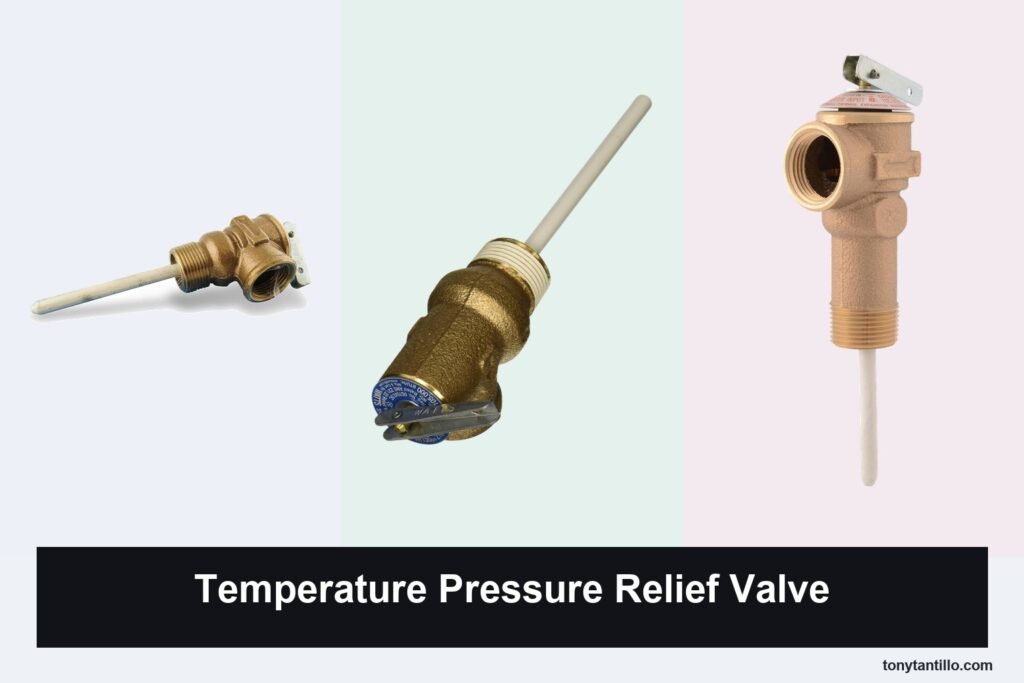
A temperature pressure relief valve is one of those small parts that carries a large responsibility. It is the last line of defense when a water heater runs too hot or pressure climbs beyond safe limits. For that reason, the right replacement is not about chasing the lowest price or the flashiest brand. It is about matching connection size, shank or probe length, temperature and pressure settings, and the materials that will hold up in service.
The five valves below cover the most common buyer decisions: standard 3/4-inch NPT fitment, 150 PSI and 210°F factory settings, corrosion resistance, and whether you need a straightforward replacement or a more specialized body and stem design. Some lean toward broad compatibility and simple swapping. Others add stronger construction, compliance details, or alternate connection styles. The best choice depends on how closely your heater’s opening, code requirements, and installation space line up with the valve’s dimensions and construction.
Top Temperature Pressure Relief Valve on the Market

Camco Automatic T&P Relief Valve 10473
Best all-around replacement
- 3/4-inch NPT connection
- 4-inch extension probe
- 150 PSI and 210°F
- All brass body
- CSA certified

Rheem SP12574 Small T&P Valve
Best OEM-style swap
- 3/4-inch NPT threads
- 150 PSI and 210°F
- 4-inch sensor length
- 105,000 BTU/HR capacity
- CSA compliant
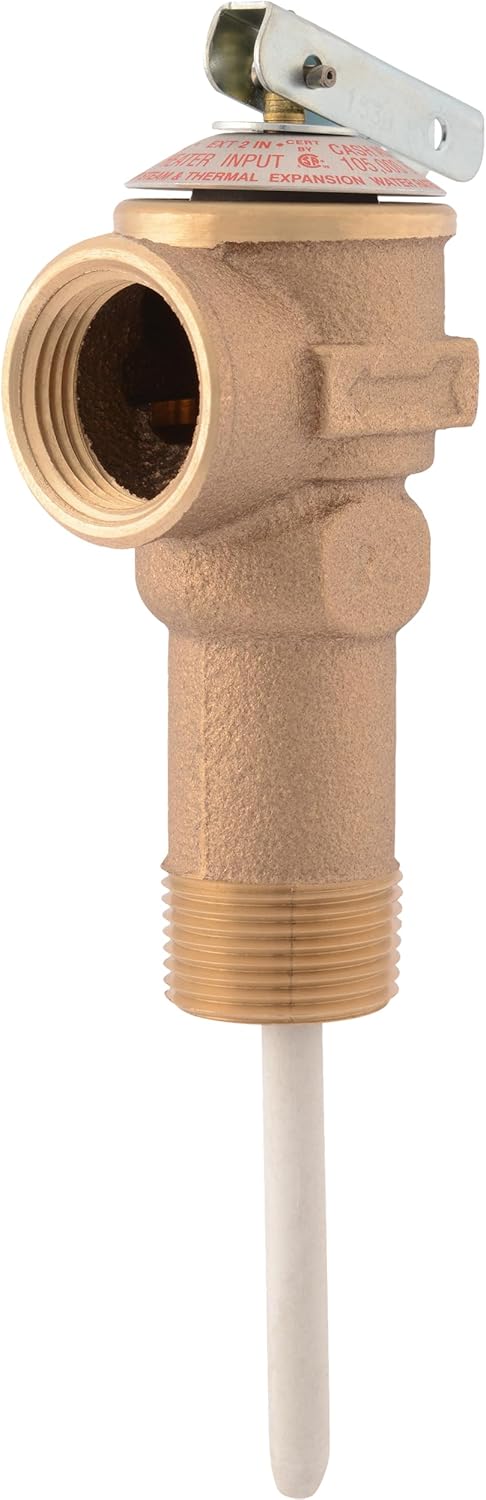
Cash Acme NCLX-5L 3/4-Inch Valve
Best code-focused pick
- Cast bronze body
- 2-3/32-inch shank
- 150 PSI and 210°F
- Lead-free certified
- ASSE and CSA compliant

Cash Acme NCLX-5LX Push-to-Connect Valve
Best premium design
- Push-to-connect inlet
- 150 PSI and 210°F
- Cast bronze body
- Corrosion-isolating thermal element
- Lead-free certified

Rheem SP8346 Small Relief Valve
Best tight-space option
- 3/4-inch NPT threads
- 150 PSI and 210°F
- 4-1/4-inch body
- 105,000 BTU/HR capacity
- Small size
Temperature Pressure Relief Valve Reviews
Camco Automatic T&P Relief Valve 10473
ADVANTAGES
LIMITATIONS
The Camco 10473 is built for buyers who want a conventional replacement with clear safety credentials and no unnecessary complication. Its 3/4-inch NPT connection keeps it in the mainstream of residential and RV water-heater fittings, while the 4-inch probe gives it the reach needed for compatible tanks that use a longer sensing element. The factory set 150 PSI and 210°F threshold is the familiar standard for this category, so the valve is aimed at protection rather than customization. An all-brass body with a stainless steel pressure spring is the kind of construction that supports long service in a wet, heat-cycling environment.
That construction matters because this part lives where mineral buildup and corrosion tend to shorten component life. The epoxy-coated extension probe is there to slow corrosion buildup, which matters more than it first appears on heaters that see hard water or long periods between service intervals. The valve is also CSA certified to ANSI Z21.22, which adds an important code-compliance signal for buyers replacing a failed part on an RV or home heater. The included test lever is useful because it supports routine functional checks instead of leaving the valve as a sealed black box.
Compared with the more specialized options in this group, Camco sits in the middle of the road in the best way. It does not try to solve every compatibility problem with alternate connectors or an oversized body, and it does not lean on a premium material stack to justify a higher price. That makes it a sensible first stop when the original valve used standard threads and a 4-inch sensing probe. Buyers who want a straightforward, code-conscious replacement with durable basic materials should be very comfortable here, and it is the one I would choose when fit is the main question.
Rheem SP12574 Small T&P Valve
ADVANTAGES
LIMITATIONS
The Rheem SP12574 is the most obvious fit for a homeowner replacing a Rheem heater valve and wanting to stay close to the original equipment path. Its 3/4-inch NPT inlet and outlet sizing keep the connection profile conventional, and the 4-inch sensor length gives it the same basic sensing reach many heaters were built around. The valve is factory set to 210°F and 150 PSI, so the safety logic is familiar rather than proprietary. That matters because the buyer is usually trying to restore the heater to normal service, not redesign the protection strategy.
The practical advantage of the small format is that it keeps the valve from dominating a tight service area. Rheem lists a 7-1/4-inch overall length and a 3-1/4-inch body length, which can matter when adjacent plumbing, access panels, or enclosure walls leave little margin around the opening. The valve is CSA marked and carries a one-year limited warranty from the date of purchase, so it arrives with the basic documentation many replacement buyers expect. The stainless steel exterior finish is another useful detail because it gives the body a cleaner resistance profile in a damp utility space.
Against the other valves here, this one stands out less for material sophistication and more for fit confidence in a Rheem-oriented repair. It is not the most heavily built body in the group, and it does not add a special corrosion-isolation feature. What it does offer is a familiar small-size configuration with standard pressure and temperature thresholds, which makes it a sensible choice when you want to preserve the heater’s original setup as closely as possible. If you are matching a Rheem water heater and want an uncomplicated OEM-style replacement, this is the safest recommendation in the lineup.
Cash Acme NCLX-5L 3/4-Inch Valve
ADVANTAGES
LIMITATIONS
Cash Acme’s NCLX-5L is the strongest pick here for buyers who care about documentation, construction, and compliance as much as fit. The cast bronze body is a meaningful step up from basic stamped or lighter-duty builds, and the brass plus stainless steel internal parts point to a design intended for repeated thermal cycling rather than casual use. Its 2-3/32-inch extended shank is worth noting because it broadens compatibility with some water-heater applications that need a deeper insertion profile. Standard 150 PSI and 210°F settings keep the safety behavior aligned with common residential expectations.
This valve is especially compelling because the certification stack is unusually complete for a replacement part. It is lead-free certified to NSF/ANSI/CAN 372 and also compliant with ASSE 1003 and CSA B356 requirements. For a buyer navigating inspection concerns or simply wanting fewer questions about code alignment, that paperwork matters as much as the metal. The silicone seat disc and stainless steel pressure spring are also practical choices because both target reliable sealing and force consistency over time. The one drawback is that it carries no manufacturer warranty, so the purchase leans on build quality and compliance rather than after-sale coverage.
Compared with the Camco and Rheem options, this valve occupies the more serious end of the category. It costs more, but the premium is tied to material grade and compliance breadth instead of branding alone. It is also a better match than the more basic replacements when the original installation demands a deeper shank or when you want a bronze-body valve that feels built for long service. Buyers with inspection sensitivity, older systems that need a careful match, or a preference for documentation-backed plumbing parts should put this near the top of the list. It is the most defensible choice when code confidence matters.
Cash Acme NCLX-5LX Push-to-Connect Valve
ADVANTAGES
LIMITATIONS
The NCLX-5LX is the most specialized valve in this group and the one to consider when installation environment is the deciding factor. Its push-to-connect inlet opens the door to systems using copper or CPVC pipe, which reduces the dependency on a fully threaded replacement path. That can simplify certain retrofit jobs where access is awkward or the existing plumbing arrangement is not a straightforward thread-for-thread swap. The valve keeps the familiar 150 PSI and 210°F activation settings, so the safety function is conventional even though the connection strategy is not.
Its most important differentiator is the inert thermal element coating that isolates the assembly from mineral deposits and galvanic corrosion. That matters in water systems where scale and mixed-metal reactions can shorten the life of sensitive sensing parts. The cast bronze body, brass and stainless steel internals, silicone seat disc, and stainless steel pressure spring reinforce the idea that this valve is engineered for durability rather than just minimum compliance. It is also lead-free certified and compliant with CSA, NSF, and ANSI standards, which makes it easier to justify in systems where documentation and longevity both matter.
Relative to the other four valves, this one is the clear premium choice for buyers who need more than a standard threaded swap. It is not the simplest option, and its push-to-connect approach may be unnecessary if your heater already uses a direct threaded layout. Still, that same design can save time and reduce hassle when the plumbing underneath the heater is less cooperative than expected. Choose it when compatibility with copper or CPVC, corrosion resistance, and build quality are the main priorities. For those situations, it is the strongest technical option in the roundup.
Rheem SP8346 Small Relief Valve
ADVANTAGES
LIMITATIONS
The Rheem SP8346 is the most space-conscious of the group and the one that makes sense when a compact replacement matters more than broad versatility. It uses a 3/4-inch NPT connection and keeps the standard 150 PSI and 210°F set points, so it behaves like a normal temperature and pressure relief valve. What separates it is the abbreviated form factor, including a 4-1/4-inch body length. That can be useful where surrounding piping, a cabinet wall, or a cramped heater compartment leaves little room for a longer valve to sit comfortably.
Its size is not just a measurement detail. A shorter body and a 3-inch sensor length can simplify fitting around crowded appliances, but they also make this a more specific compatibility choice than the longer-probe alternatives. The valve is stainless steel finished, CSA compliant, and backed by no published manufacturer warranty in the record provided, so the buying case rests mostly on fit and replacement logic rather than extras. Buyers who are trying to preserve the dimensions of a small Rheem setup will appreciate that focus because it lowers the risk of an awkward installation.
Compared with the other Rheem valve in this list, this model leans even harder into compactness. It is less about being the default OEM-like replacement and more about solving a space problem without abandoning standard connection sizing. Against the heavier Cash Acme units, it offers less material complexity and fewer compliance details, but it can be the better practical answer when those details are secondary to physical fit. This is the one to choose when the opening is tight and you need a compact, standard-connection valve that stays out of the way after installation.
How to Choose a Temperature Pressure Relief Valve
Choosing a T&P relief valve is mostly about avoiding the wrong match. A valve that looks similar on paper can still be unusable if the thread size, shank length, sensor length, or connection style does not match the heater. That is why the safest purchase process starts with the appliance opening and then moves to the valve’s rated pressure, temperature set point, and construction materials. Once those basics line up, certification and warranty become the final filters that separate a merely workable part from a better long-term replacement.
Fit and Threading
The first thing to verify is the connection style. Most water-heater replacements use 3/4-inch NPT, but not every valve uses the same inlet and outlet arrangement. A valve can have the correct pressure rating and still fail the job if the threading profile or connector type does not match the opening. Measure carefully before buying, and do not assume that any 3/4-inch label means the part will seat correctly. Small differences in body shape can also matter when the valve sits near a panel or adjacent pipe run.
Pressure and Temperature
The standard activation points for this category are 150 PSI and 210°F. Those numbers are not decoration. They define when the valve opens to relieve dangerous conditions. If a replacement sits far outside those values, it may not protect the heater the way the system expects. For most residential and RV applications, staying with the common set points is the safest choice because it preserves the original operating logic. The real decision is usually not whether to change the threshold, but whether the valve is factory calibrated and clearly labeled.
Body Materials
Material choice affects durability, especially in systems exposed to heat cycling and mineral-heavy water. Brass and bronze bodies generally signal stronger corrosion resistance than lighter, less specific metal construction. Stainless steel springs and internal parts are also worth paying attention to because the spring must keep its force over time if the valve is to function correctly. In a damp utility area, a better material stack often means less worry about premature wear, stuck components, or mineral buildup around the sensing element.
Sensor Length and Space
Shank length, probe length, and overall body length determine whether the valve will physically fit the heater opening and surrounding space. A longer probe can be necessary for certain tanks, while a compact body can solve clearance problems in tight compartments. This is one of the easiest areas to overlook because a valve may look right in a product photo yet interfere with piping once installed. When space is tight, prioritize the measured dimensions first and the construction details second.
Certification and Code Fit
Certification matters because a relief valve is a safety component, not a cosmetic accessory. Look for CSA, NSF, or ASSE references when you want stronger evidence that the part aligns with recognized safety expectations. Lead-free certification is especially relevant when the valve will be part of a potable water system. If you are replacing a valve on a heater that serves a home, rental unit, or inspected property, choosing a clearly certified part reduces uncertainty and makes the repair easier to defend.
Warranty and Replacement Risk
A warranty does not tell you whether the valve will fit, but it does change the risk profile of the purchase. Some replacement valves are sold with a limited one-year warranty, while others carry no published warranty at all. That difference matters if you want a buffer against early failure or if the heater is in regular service and downtime is costly. When two valves are otherwise similar, the one with documented warranty support is often the more conservative purchase.
Relief Valve Comparison Table
| Product | Best For | Thread Size | Max Pressure | Material | Warranty | Exterior Finish |
|---|---|---|---|---|---|---|
| Camco Automatic T&P Relief Valve 10473 | Best all-around replacement | 0.75 inches | 150 psi | Brass, Stainless Steel, Epoxy | Limited 1 Year | Gold |
| Rheem SP12574 Small T&P Valve | Best OEM-style swap | 3/4″ NPT | 150 psi | Brass | One Year Limited Warranty from Date of Purchase | Stainless Steel |
| Cash Acme NCLX-5L 3/4-Inch Valve | Best code-focused pick | 0.75 inches | 290 bar | Bronze | No Warranty | Stainless Steel |
| Cash Acme NCLX-5LX Push-to-Connect Valve | Best premium design | 3/4 Inch | 150 psi | Brass, Bronze, Stainless Steel | Not Specified | Stainless Steel,Silicone,Brass |
| Rheem SP8346 Small Relief Valve | Best tight-space option | 3/4 inches | 150 psi | Metal | Not Specified | Stainless Steel |
How We Tested & Analyzed Temperature Pressure Relief Valve
This roundup was built around the practical requirements that determine whether a temperature pressure relief valve is a safe replacement or an expensive mismatch. The most important factors were connection size, pressure and temperature set points, probe or shank dimensions, material construction, and visible certification language. Those are the details that affect installation success and long-term reliability, so they were prioritized over cosmetic distinctions or seller-facing wording that does not change how the part performs in service.
The comparison also weighed how each valve handles the tradeoff between general compatibility and installation specificity. Some parts follow a straightforward threaded replacement path. Others use extended shanks or push-to-connect hardware that may solve access or corrosion concerns in a more targeted way. That matters because the best valve is not always the most heavily built one. Sometimes the best choice is the one whose dimensions and connection style reduce installation risk in a particular heater setup.
Finally, the evaluation focused on what a buyer can reasonably verify before purchase. Certifications, warranty terms, body materials, and listed operating thresholds are all helpful because they translate directly into safety confidence and replacement durability. Where a product offered fewer details, that lack was treated as part of the buying decision rather than filled in with assumptions. The goal was to separate clearly documented options from parts that rely more heavily on simple compatibility or brand familiarity.
Frequently Asked Questions
What size T&P valve do most water heaters use?
Most residential and many RV water heaters use 3/4-inch NPT connections, but you should confirm the exact thread type and the available body length before buying. A correct thread size alone is not enough if the probe or shank length does not match the heater’s opening.
Why are 150 PSI and 210°F so common?
Those are the standard relief settings for many water-heater safety valves. They define the point at which the valve opens to release pressure or temperature before conditions become unsafe. For most replacements, matching the original rating is the safest and most practical choice.
Does material really matter on a relief valve?
Yes. Brass and bronze bodies generally offer stronger durability than vague or lighter-duty metal descriptions, and stainless steel springs or internal parts help the valve keep working under repeated heat cycles. In hard-water or damp environments, material quality can affect how long the valve remains dependable.
When should I prioritize certification over price?
Certification becomes especially important when the valve is part of a home, rental, or inspected installation. CSA, NSF, or ASSE references help show that the part aligns with recognized safety expectations. If two valves both fit, the certified one is usually the safer long-term choice.
Final Thoughts
A temperature pressure relief valve is not a place to improvise. The right part has to match the opening, the safety settings, and the physical constraints of the heater compartment. Once those basics are aligned, the decision usually comes down to whether you want a simple threaded replacement, a tighter space solution, or a more robust body with stronger compliance documentation. That is why the best valve is the one that solves your exact installation problem without creating a new one.
For most buyers, the smartest path is to start with fit, then move to certification and construction. Standard 3/4-inch NPT models cover many common replacements, while bronze-body or push-to-connect options become more valuable when durability or installation complexity rises. Choose the valve that matches your heater’s dimensions and your tolerance for risk, and you will end up with a safer, cleaner repair that is easier to trust over time.