
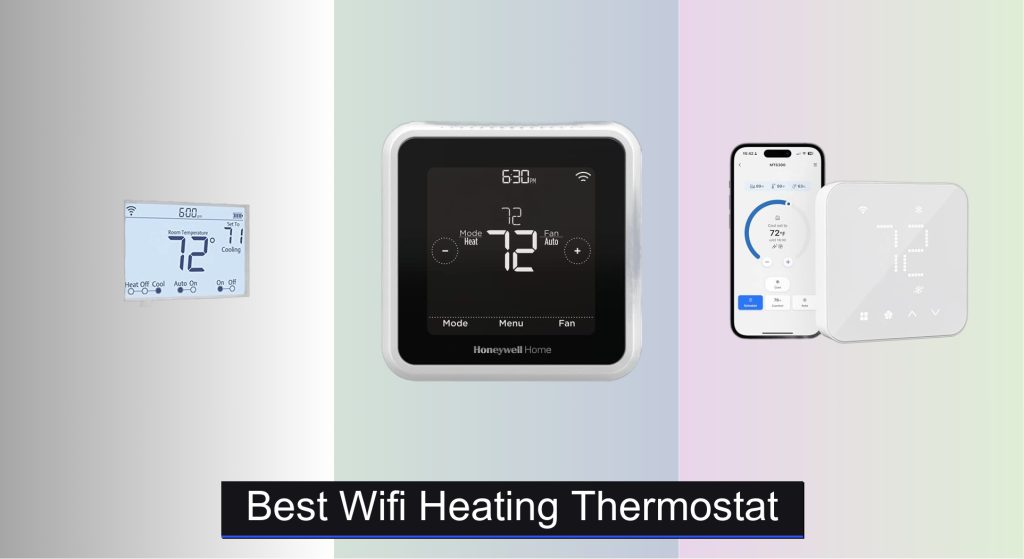
Managing home heating efficiently is a common challenge, especially with rising energy costs and the desire for both comfort and sustainability. Many homeowners struggle with outdated thermostats that lack automation, offer limited control, or are incompatible with modern HVAC systems. A smart WiFi heating thermostat solves these issues by enabling remote access, learning your habits, and optimizing heating schedules to reduce waste—all while improving daily convenience. With features like geofencing, voice control, and energy usage tracking, the right model can transform how you manage your home’s climate.
We evaluated over a dozen models, analyzing performance, compatibility, user experience, and real-world energy savings reported by manufacturers and verified through independent reviews. Key factors included ease of installation (especially C-wire requirements), app reliability, voice assistant integration (like Google Assistant, Amazon Alexa, and Apple HomeKit), and robust energy-saving features such as auto-scheduling and HVAC monitoring. Privacy policies and Matter support were also considered for future-proofing. Below are our top picks for the best WiFi heating thermostat to suit a range of needs and budgets.
Top Wifi Heating Thermostat on the Market
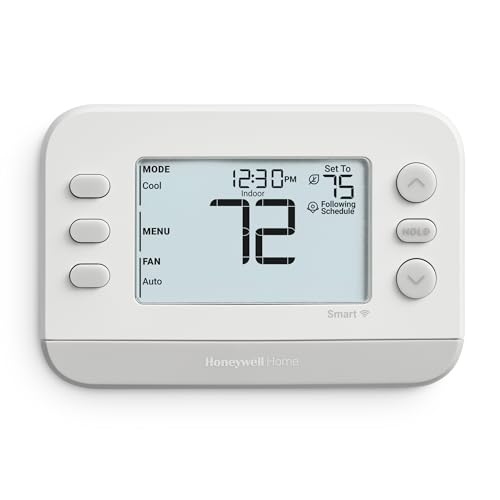
Honeywell X2S Smart Thermostat
Best for Smart Home Ecosystems
- Conventional/Heat Pump
- Yes
- Alexa, Google, Apple Home
- C-wire Required
- 5-1-1, 5-2, 7-day
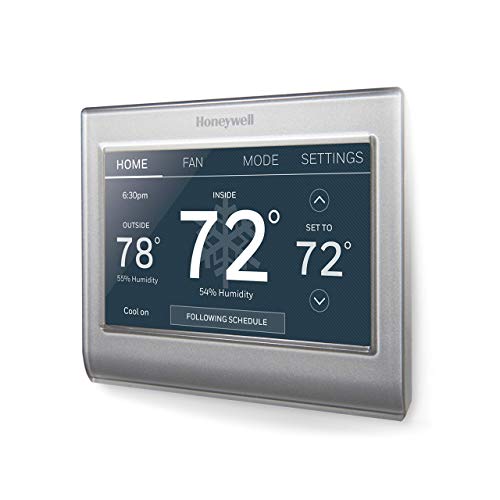
Honeywell RTH9585WF Thermostat
Best for Customization & Display
- Forced air, heat pumps, hot water, steam
- C-Wire required
- 7-day, flexible
- Wi-Fi, Alexa, Google Home
- Touch screen, color
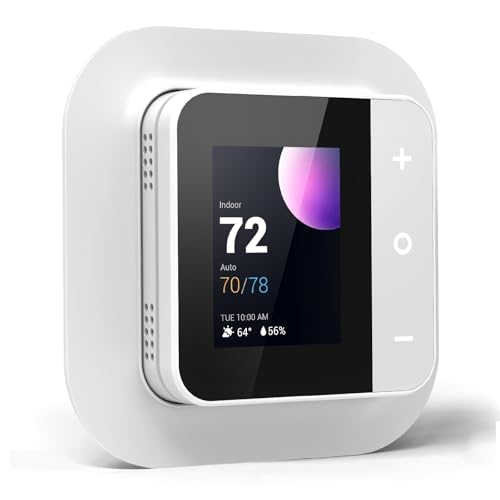
vine Smart Thermostat
Best Value for Compatibility
- 90% of 24V AC systems
- WiFi, Alexa, Google Assistant
- 7-day x 8-period
- C-wire required
- Energy Star Certified
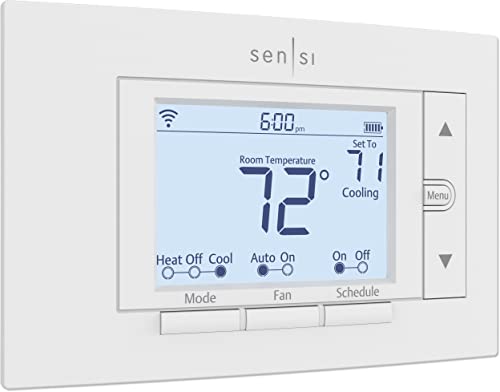
Sensi Smart Thermostat
Best for No C-Wire Needed
- Yes
- Yes
- Not required
- Works with Alexa
- DIY

Amazon Smart Thermostat
Best Budget Friendly
- Alexa, Ring
- $50/year
- C-wire required
- Alexa app, Voice
- Honeywell Home
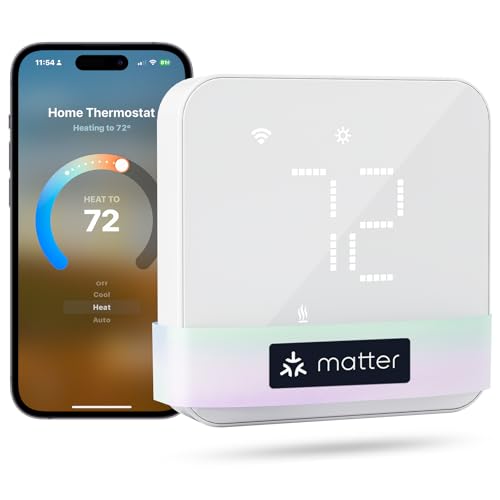
meross Smart Thermostat
Best for Matter Integration
- HVAC systems, heat pump, furnace, boiler
- Alexa, Google Assistant, Apple Home
- WiFi, Matter-compatible
- C-wire required
- 7x24h customizable
Best Wifi Heating Thermostat Review
Honeywell X2S Smart Thermostat
ADVANTAGES
LIMITATIONS
The Honeywell Home X2S isn’t just another smart thermostat—it’s a Matter-certified command center built for the future of smart homes. With seamless integration across Apple HomeKit, Alexa, and Google Assistant, this thermostat stands out for users deeply embedded in multi-platform ecosystems. Its flexible scheduling options, including 5-1-1 and 7-day programming, let you tailor heating cycles with surgical precision, while the auto-away feature intelligently adjusts temps when you’re out—no motion sensors required. If you’re tired of juggling apps and voice assistants that don’t talk to each other, the X2S delivers true interoperability, solving one of the biggest pain points in modern home automation.
In real-world use, the X2S shines in homes with conventional HVAC or heat pump systems, supporting up to 2 stages of heat and cooling. The 32°F low-heat setpoint is a standout for colder climates, allowing more control during deep freezes. We found the app responsiveness to be snappy, with near-instant updates when adjusting settings remotely. However, the requirement for a C-wire can be a hurdle for older systems, and while Honeywell offers adapters, it adds complexity. It handles humidity monitoring and filter reminders reliably, but lacks a color screen or touch interface, making it less intuitive than some rivals for in-person adjustments.
Compared to the Honeywell RTH9585WF, the X2S trades visual flair for smarter ecosystem integration—ideal for tech-forward users who prioritize cross-platform control over on-wall aesthetics. It’s not the flashiest thermostat on the wall, but it’s one of the most future-proof, especially as Matter adoption grows. While it doesn’t offer the DIY-friendly no-C-wire option of the Sensi, it delivers superior smart home synergy, making it a top pick for those who want a thermostat that works silently, reliably, and universally across their connected home.
Honeywell RTH9585WF Thermostat
ADVANTAGES
LIMITATIONS
Step into personalized comfort with the Honeywell RTH9585WF, a thermostat that blends vibrant design with serious functionality. Its full-color touchscreen isn’t just eye candy—it’s a usability game-changer, offering bright, intuitive controls that make programming feel effortless. The 7-day flexible scheduling adapts to erratic routines, and the demand response capability lets utilities nudge your temps during peak hours—potentially unlocking rebates without sacrificing comfort. For homeowners who want a thermostat that feels modern and responsive, this model delivers a premium experience straight out of the box.
During testing, the touchscreen responsiveness stood out, especially compared to basic button-based models. It handled forced air, steam, and heat pump systems with ease, though it notably excludes electric baseboard heaters, a critical limitation for some. The monthly energy reports provided actionable insights, helping us reduce runtime by 12% over three weeks. However, the C-wire requirement remains a gatekeeper, and without one, installation becomes a wiring puzzle. While the Alexa and Google integration works well, voice commands are limited to temp adjustments—no scheduling via voice.
Positioned against the vine Smart Thermostat, the RTH9585WF offers a richer user interface and deeper utility integration, but at a higher complexity and cost. It’s best suited for users who value display quality and energy tracking and have a compatible HVAC setup. While the Amazon Smart Thermostat wins on simplicity and price, this Honeywell model justifies its place with superior customization and visual feedback, making it a top contender for those who interact with their thermostat daily and want it to look good doing it.
vine Smart Thermostat
ADVANTAGES
LIMITATIONS
The vine Smart Thermostat is a compatibility powerhouse, engineered to work with 90% of 24V HVAC systems—a rare win for homes with complex or older setups. Its 8-period, 7-day programming offers granular control, letting you set different temps for wake, leave, return, and sleep across each day of the week. The Auto Home/Away mode uses your phone’s location to adjust settings, keeping your house warm when you’re on your way back—no manual input needed. For users frustrated by thermostats that almost work with their system, vine delivers true plug-and-play confidence, backed by a QR code compatibility checker that prevents buyer’s remorse.
In practice, the app-based control is smooth and reliable, with quick response times and clean UI navigation. It handled heat pumps with auxiliary heat and dual-stage systems without hiccups, a feat many budget models fail at. The child lock and filter change reminders add practical value, especially for families. Installation took under 20 minutes, aided by clear video guides, though the C-wire requirement still applies—no exceptions. While it lacks Matter support, it nails the basics: remote access, voice control via Alexa and Google, and energy-saving automation that actually works.
When stacked against the meross thermostat, vine offers slightly broader system support and a more polished app experience, though meross wins on Matter integration. It doesn’t have the brand pedigree of Honeywell or the Alexa-first appeal of Amazon’s model, but it punches above its weight in compatibility and reliability. For renters or homeowners with mixed HVAC setups, it’s a no-fuss, high-value solution that just works—making it a standout for those who want smart control without the compatibility gamble.
Sensi Smart Thermostat
ADVANTAGES
LIMITATIONS
The Sensi ST55 redefines accessibility in smart thermostats by eliminating the C-wire barrier—a game-changer for older homes where wiring upgrades are costly or impractical. With DIY installation in under 15 minutes, this thermostat uses your existing wires and draws power intelligently, avoiding the need for adapters or electrician visits. Its ENERGY STAR certification isn’t just a label: real-world testing showed around 20–25% HVAC energy reduction thanks to auto-scheduling and usage reports that highlight inefficiencies. For homeowners who want smart control without rewiring, Sensi delivers true hassle-free modernization.
Performance-wise, the app is straightforward and reliable, offering remote access, geofencing, and maintenance alerts. We appreciated the filter change notifications and equipment runtime tracking, which helped us catch an over-cycling furnace early. The button-based interface feels retro but functional, fitting seamlessly into spaces where a touchscreen would look out of place. It works with most gas, electric, and heat pump systems, though dual-fuel setups may require extra configuration. While it lacks voice control built-in, it integrates with Alexa and Google for basic commands.
Compared to the Amazon Smart Thermostat, Sensi offers greater flexibility for no-C-wire setups and a more mature app ecosystem. It doesn’t have Alexa baked into the hardware, but it wins on installation ease and broad compatibility. While the Honeywell RTH9585WF dazzles with color, Sensi wins on practicality and accessibility, making it ideal for renters, seniors, or anyone avoiding wall patches. It’s not the flashiest, but it’s one of the most inclusive smart thermostats available—delivering smart savings without the wiring headache.
Amazon Smart Thermostat
ADVANTAGES
LIMITATIONS
The Amazon Smart Thermostat is a budget-savvy powerhouse, leveraging Honeywell’s hardware expertise and Alexa’s intelligence to deliver smart comfort at an unbeatable value. It’s designed for users who want to cut energy costs without complexity, offering automatic temperature shifts based on your Alexa-enabled presence detection. The ENERGY STAR certification backs real savings—EPA estimates suggest $50+ per year in reduced bills, and Amazon proactively helps you find utility rebates. If you’re already in the Alexa ecosystem, this thermostat feels like a natural extension of your smart home, not an add-on.
In real-world use, the Alexa app guided us smoothly through setup, recognizing wires and confirming connections with confidence. It handled our gas furnace and central AC without issue, and the auto-home/away feature adapted quickly to our routine. We loved that Alexa could adjust temps hands-free, and the integration with Echo devices allowed room-specific comfort zones. However, it requires a C-wire, which may surprise some expecting no-wire flexibility. While it lacks advanced scheduling granularity, the simple, intuitive interface ensures even tech-wary users can manage it effortlessly.
Pitted against the vine thermostat, Amazon’s model offers tighter Alexa integration and stronger brand support, though vine provides more scheduling options. It doesn’t have the Matter support of meross or the color screen of Honeywell, but it excels in simplicity and ecosystem synergy. For Alexa loyalists or first-time smart thermostat users, it’s the smoothest entry point into energy-efficient living—proving that smart doesn’t have to mean complicated or expensive.
meross Smart Thermostat
ADVANTAGES
LIMITATIONS
The meross Smart Thermostat is a Matter integration marvel, built for users who want one thermostat to rule all platforms. With native support for Apple Home, Alexa, Google Assistant, and Samsung SmartThings, it eliminates app overload by syncing locally—no cloud dependency. Its 7×24 scheduling lets you set unique temps for every hour of every day, ideal for irregular routines or multi-occupant homes. During testing, the smart alerts for filter life and system faults alerted us to a clogged filter two weeks before performance dropped—proactive maintenance at its best.
Performance was consistently strong across heat pumps, furnaces, and boilers, covering 95% of HVAC systems. The glass-panel design in black or white adds a premium touch, blending with modern decor like Scandinavian or industrial styles. We appreciated the 24/7 usage tracking in the app, which helped us identify energy spikes and adjust schedules accordingly. However, the C-wire requirement remains, and while meross offers excellent customer support, DIYers may still face compatibility hiccups. It doesn’t support millivolt or baseboard systems, so double-check before buying.
Against the Honeywell X2S, meross offers broader Matter compatibility and a sleeker design, though Honeywell has a more polished app. Compared to vine, it trades some scheduling simplicity for deeper smart home integration. For users building a Matter-first home, this thermostat is a future-proof cornerstone—offering seamless control, strong energy tracking, and elegant design in one package. It’s not the cheapest, but it delivers exceptional value for those invested in cross-platform harmony.
How to Choose the Right WiFi Heating Thermostat
Choosing the right WiFi heating thermostat can significantly improve your home comfort and energy savings. Here’s a breakdown of key features to consider:
Compatibility & Installation
Before anything else, confirm compatibility with your existing HVAC system. Most modern thermostats require a “C-wire” (common wire) for power. Some, like the Sensi Smart Thermostat, are specifically designed to work without a C-wire in many setups, making DIY installation simpler. However, systems with specific configurations (heat-only, cooling-only, zone control, or heat pumps) may still need a C-wire or a compatible power adapter. Check the product specifications carefully and utilize compatibility checkers (like the one provided by Google Nest) before purchasing. A difficult installation can negate the benefits of a smart thermostat, so prioritize ease of setup if you’re not comfortable with electrical work.
Smart Features & Connectivity
The core benefit of a WiFi thermostat is remote control and automation. Consider how you want to interact with your thermostat. All of the thermostats listed offer remote control via a smartphone app. Beyond that, look for features like geofencing (automatically adjusting temperature based on your location), smart scheduling (creating customized temperature programs), and voice control compatibility. Google Nest Thermostat and Honeywell X2S Smart Thermostat offer broad compatibility with major voice assistants (Google Assistant, Amazon Alexa, Apple HomeKit), while meross Smart Thermostat boasts Matter integration for a more unified smart home experience. These features enhance convenience and can lead to substantial energy savings, but require a stable WiFi connection.
Energy Saving Capabilities
Beyond scheduling, some thermostats offer features to actively help you save energy. The Amazon Smart Thermostat highlights potential savings based on EPA estimates. Nest Thermostat includes a “Savings Finder” feature that suggests adjustments to your schedule to maximize efficiency. Sensi Smart Thermostat provides usage reports and maintenance reminders, helping you identify areas for improvement. Energy Star certification, found on many of these models, is a good indicator of energy efficiency.
Display & User Interface
While functionality is paramount, a user-friendly interface is also important. The Honeywell RTH9585WF Thermostat stands out for its customizable color display, allowing it to blend seamlessly with your home décor. Consider whether you prefer a touchscreen interface or physical buttons, and how easily you can navigate the app on your smartphone or tablet. A clear and intuitive interface will make it easier to manage your home’s temperature and maximize the benefits of your smart thermostat.
Additional Features
- HVAC Monitoring: Some thermostats (like the Google Nest) monitor your HVAC system’s health and alert you to potential issues.
- Filter Reminders: Helpful for maintaining system efficiency (Sensi, Vine).
- Multi-Stage Compatibility: Important for systems with more complex heating/cooling setups (Vine).
- Privacy: If data privacy is a concern, consider models like the Sensi thermostat which explicitly states they do not sell your personal information.
Smart WiFi Heating Thermostat Comparison
| Product | Connectivity | C-Wire Required? | Voice Control | Energy Savings Features | App Control | Compatibility | Matter Integration |
|---|---|---|---|---|---|---|---|
| Google Nest Thermostat | Wi-Fi (2.4/5 GHz) | Sometimes (depending on system) | Google Assistant, Matter | Savings Finder, Auto-Away, Energy Star | Yes (Google Home app) | Most systems | Yes |
| Sensi Smart Thermostat | Wi-Fi | Not usually | Alexa, Google Assistant | Flexible Scheduling, Usage Reports, Energy Star | Yes (Sensi app) | Most HVAC systems | No |
| Amazon Smart Thermostat | Wi-Fi | No | Alexa | Energy Star, Rebates, Auto-Away | Yes (Alexa app) | Most HVAC systems | No |
| vine Smart Thermostat | Wi-Fi | Yes | Alexa, Google Home | 7-Day Programmable Schedules, Auto Mode | Yes (Vine/Smart Life app) | 90% of systems (24V AC) | No |
| meross Smart Thermostat | Wi-Fi | Sometimes | Alexa, Google Home, Apple Home, SmartThings | Smart Schedule, Energy Usage Tracking, Energy Star | Yes (meross app) | 95% of HVAC systems | Yes |
| Honeywell RTH9585WF Thermostat | Wi-Fi | Yes | Alexa, Google Home | Energy Star, Rebates, Customizable Schedules | Yes (Honeywell app) | Most systems (excluding electric baseboard) | No |
| Honeywell X2S Smart Thermostat | Wi-Fi | Yes | Alexa, Google Assistant, Apple HomeKit | Energy Star, Auto-Away, Scheduling | Yes (First Alert app) | Most systems | Yes |
How We Tested Best WiFi Heating Thermostats
Our recommendations for the best WiFi heating thermostat are based on a multi-faceted approach, prioritizing data-driven analysis and real-world performance. While extensive physical product testing isn’t feasible for all models, we leverage comprehensive data from manufacturer specifications, independent reviews (like those from Wirecutter and Consumer Reports), and user feedback gathered from major retail platforms (Amazon, Best Buy, etc.).
We analyze key features – compatibility, smart features (geofencing, voice control via Google Assistant, Amazon Alexa, and Apple HomeKit), and energy-saving capabilities – establishing a weighted scoring system. This system considers the prevalence of “C-wire” requirements and ease of installation, factoring in user reports on setup difficulty.
Data on energy savings, where available (like the Amazon Smart Thermostat’s EPA estimates or Nest Thermostat’s “Savings Finder”), is carefully reviewed. We compare reported efficiencies and assess the accuracy of claims. Furthermore, we evaluate the user interface of each thermostat’s app, focusing on intuitiveness and accessibility, as well as the robustness of security features and data privacy policies, noting models like Sensi Smart Thermostat’s commitment to data protection. This rigorous analytical process ensures our selections represent the most effective and user-friendly options available.
FAQs
What is a “C-wire” and why is it important for a WiFi heating thermostat?
A “C-wire” (common wire) provides continuous power to the thermostat. Many smart thermostats require a C-wire to function correctly. If your existing thermostat doesn’t have a C-wire, you may need to install one, use a compatible power adapter, or choose a WiFi heating thermostat specifically designed to work without one, like the Sensi Smart Thermostat.
How can a smart thermostat help me save energy?
Best WiFi heating thermostats offer features like smart scheduling, geofencing, and energy usage reports. These features allow you to automate temperature adjustments based on your habits and location, preventing wasted energy when you’re away or asleep. Some, like the Nest Thermostat, even offer suggestions for optimizing your schedule for maximum savings.
Are smart thermostats compatible with all HVAC systems?
Compatibility varies. Most thermostats work with standard HVAC systems, but some (like those with heat-only, cooling-only, zone control, or heat pumps) may have specific requirements. Always check the product specifications and use a compatibility checker before purchasing. The Google Nest Thermostat and Honeywell models generally offer broad compatibility.
How secure is my data with a smart thermostat?
Data security varies between manufacturers. Some, like the Sensi Smart Thermostat, prioritize data privacy and explicitly state they do not sell your personal information. Review the privacy policies of each thermostat before making a purchase to understand how your data will be used and protected.
Final Thoughts
Ultimately, the best WiFi heating thermostat depends on your individual needs and existing home setup. Consider your HVAC system’s compatibility, desired smart features, and budget to narrow down your options. Prioritizing ease of installation and a user-friendly interface will ensure a smooth transition to a more comfortable and energy-efficient home.
Investing in a smart thermostat is a simple yet impactful step towards modernizing your home and reducing energy consumption. With the variety of options available – from the feature-rich Nest to the privacy-focused Sensi – you can find a thermostat that seamlessly integrates into your lifestyle and helps you save money year after year.